Kigali
Overview
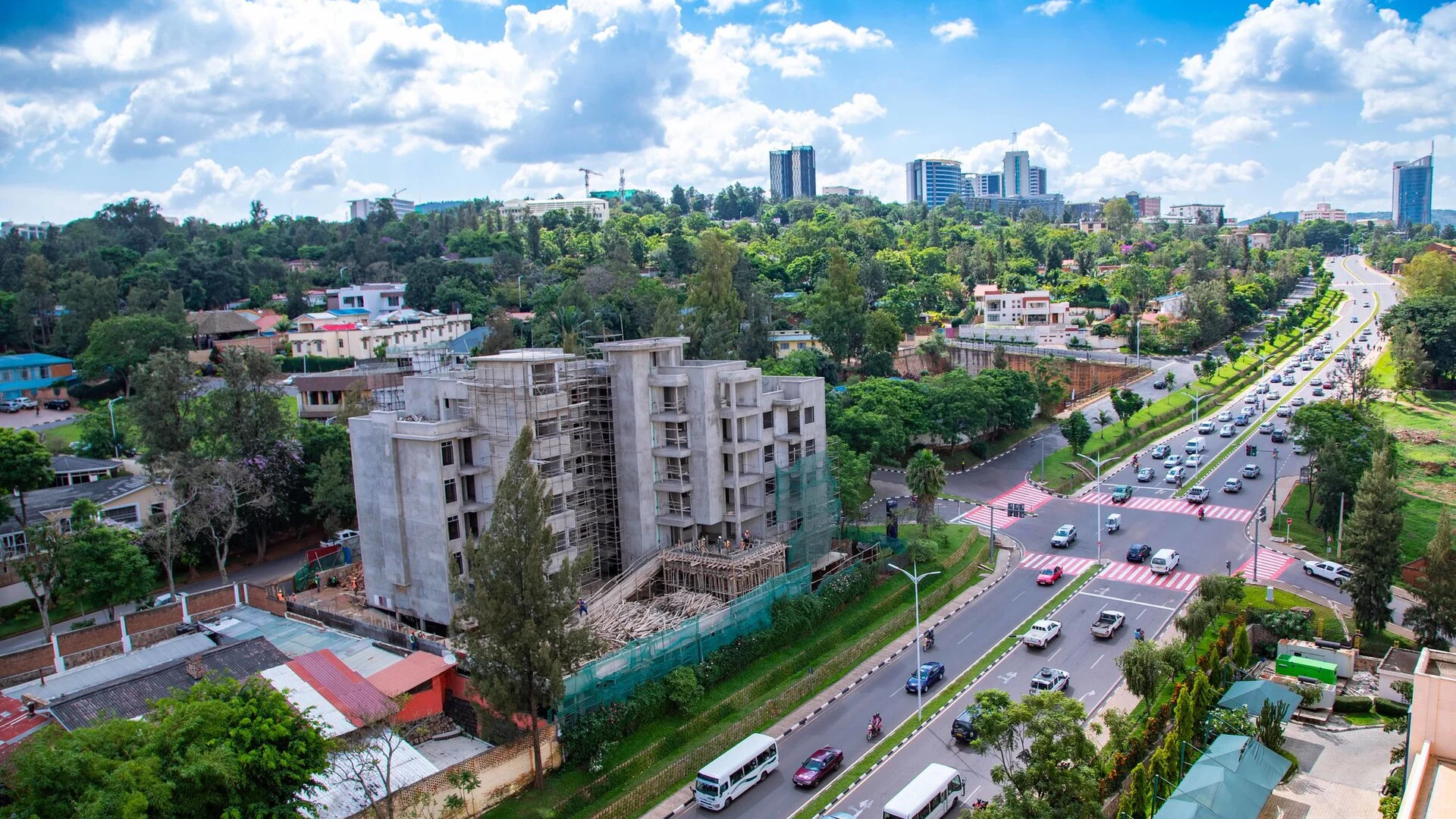
Rwanda's capital is a city of hills: roads loop around ridges, neighbourhoods tumble down slopes and almost every rise offers a view across red-roofed valleys. It is famously clean, with plastic bags banned nationwide, and its streets are calm compared with many African capitals. The centre, known locally as Mu Mujyi, holds banks, offices and the car-free pedestrian zone, while residential districts spread outward in every direction.
For travellers, Kigali is the gateway to Rwanda: the international airport is on the city's eastern edge and the national parks are a few hours away by road. But the city merits time of its own, above all for the Kigali Genocide Memorial, which is the essential starting point for understanding the country.
Why Visit
Come to Kigali to understand Rwanda before you explore it. The memorial at Gisozi and the Campaign Against Genocide Museum put the events of 1994 into context, and the city's recovery is visible everywhere, from new parks and wetlands to a lively creative scene.
It is also an easy, low-stress place to start an East African trip: compact enough to see in two days, with good cafés, comfortable hotels, colourful markets and a short hop to gorillas, chimpanzees and safari country.
Best Things to Do
- Kigali Genocide Memorial. At Gisozi, this is the resting place of more than 250,000 victims of the Genocide against the Tutsi, with exhibitions, a Wall of Names and memorial gardens. Entry is free; it opens daily from 8am to 5pm (last entry 4pm), and only from 1pm on Umuganda Saturdays (checked October 2026). Allow at least two hours.
- Campaign Against Genocide Museum. Inside the Parliament building, this museum tells the story of how the Rwandan Patriotic Army halted the genocide, using the building's own bullet-marked walls as part of the exhibit.
- Rwanda Art Museum. Housed in the former Presidential Palace at Kanombe, close to the airport, it shows contemporary works by Rwandan and international artists. A convenient stop on arrival or departure day.
- Kimironko Market. The city's busiest market is a riot of fruit, beans, baskets and bolts of bright kitenge fabric; tailors can make clothes to measure from your chosen cloth.
- Nyamirambo. Kigali's oldest and liveliest quarter, with a strong Muslim heritage, colourful shopfronts and street food. Locally run walking tours are a good way to meet residents.
- Umusambi Village and Nyandungu Eco Park. Two restored wetlands: Umusambi shelters more than 50 grey crowned cranes rescued from captivity, while Nyandungu has walking and cycling trails through restored marshland.
- Car-Free Zone and city walks. The pedestrianised strip in the centre is a pleasant place for coffee and people-watching, and a starting point for exploring downtown on foot.
- Art galleries and design shops. Kigali has a growing number of contemporary galleries and studios, and boutiques selling Made in Rwanda fashion, baskets and homeware.
Map
Map data © OpenStreetMap contributors
Best Time to Visit
Kigali's altitude keeps temperatures mild all year. The dry months from late June to August are the most comfortable and coincide with the best trekking season, so book hotels and permits early. December to February is also fairly dry.
The rains (roughly March to May and October to early December) usually arrive as heavy afternoon showers rather than all-day drizzle, and the city is greener and quieter then. Bear in mind the monthly Umuganda morning on the last Saturday, when most services pause, and the commemoration period from 7 April, when the mood is subdued and some entertainment is curtailed.
Where to Stay
Kiyovu and the city centre are handy for business travellers and short stays, close to the Car-Free Zone and several large hotels. Kimihurura, near the Convention Centre, has some of the city's best restaurants and a relaxed residential feel.
Nyarutarama and Kacyiru are leafy, upmarket districts with embassies, boutique hotels and guesthouses. Travellers on a tighter budget will find simpler guesthouses around Nyamirambo and Remera, the latter conveniently placed for the airport and the stadium area.
Neighborhoods
City centre (Mu Mujyi): offices, banks, the Car-Free Zone and several hotels; busy by day, quieter at night.
Kiyovu: a hillside district just above the centre with hotels, embassies and views over the city.
Kimihurura: home to the Kigali Convention Centre and many of the city's restaurants and bars.
Kacyiru and Nyarutarama: green, upmarket residential areas with ministries, embassies, galleries and boutique hotels.
Nyamirambo: the city's historic, energetic quarter, with mosques, tailors, street food and an evening buzz.
Remera and Kimironko: east of the centre towards the airport, with the big market and practical mid-range accommodation.
Transportation & Airports
Kigali International Airport lies at Kanombe on the eastern edge of the city; a taxi or hotel transfer is the easiest way into town. Within the city, public buses run on main routes and are paid with a rechargeable card rather than cash. Motorbike taxis are the quickest way to get around and the driver provides a helmet, but the UK government notes they are vulnerable to accidents, so choose carefully and agree a fare before setting off. Taxis and ride-hailing apps are good alternatives, especially at night.
For travel onward around Rwanda, coaches and shared minibuses leave from Nyabugogo bus station for Musanze, Rubavu on Lake Kivu, Huye and other towns. Most visitors heading to the national parks travel with a driver-guide. Remember that much of Kigali shuts down on Umuganda mornings, which can affect transfers.
Food
Kigali eats well across every budget. Local restaurants serve lunchtime buffets of beans, rice, plantain, cassava leaves (isombe) and stews, while evening bars grill goat brochettes over charcoal, often with chips and a cold local beer. Small fried sambaza fish come from Lake Kivu.
The city has a thriving café culture built on Rwanda's own coffee, and an international restaurant scene reflecting its large expatriate and conference population, from Indian and Ethiopian to Italian. Nyamirambo is the place for street snacks and a livelier evening atmosphere.
Day Trips
The genocide memorials at Nyamata and Ntarama, both churches where thousands were killed in 1994, lie in Bugesera district south of the city and can be combined in a half-day; Nyamata, together with Gisozi, Murambi and Bisesero, is part of a UNESCO World Heritage property.
Further afield, Akagera National Park in the east offers savannah safaris with lions and rhinos reintroduced, and Volcanoes National Park near Musanze is the base for gorilla trekking. Both are long day trips from Kigali, and an overnight stay is far more relaxed. Lake Kivu and Nyungwe Forest, with its chimpanzees, are better as part of a wider tour of Rwanda.
Budget
Kigali can suit most budgets. Local restaurants, buses and moto rides cost little, simple guesthouses are widely available and the Genocide Memorial is free. International hotels, upscale restaurants and private transfers charge prices closer to European levels.
The biggest expense usually comes from outside the city: the gorilla trekking permit is listed by Visit Rwanda at US$1,500 per person (checked October 2026). Card payments work in larger hotels, malls and supermarkets, but carry Rwandan francs for markets, buses and motos.
Travel Tips
Plan around Umuganda. On the last Saturday of each month, most services close from about 7am to 11am and traffic is limited.
Leave plastic bags at home. They are banned and will be confiscated at the airport; vapes and e-cigarettes are also illegal.
Check health entry measures. Because of the Ebola outbreak in neighbouring DR Congo, foreign nationals who have been in the DRC in the previous 30 days are refused entry under a May 2026 government notice; screening applies at the airport.
Be respectful at memorials. Dress modestly, speak quietly and follow photography rules; avoid photographing government buildings anywhere in the city.
Watch your step at night. Kigali feels safe, but bag-snatching happens; use a taxi after dark rather than walking alone.
Frequently Asked Questions
Is Kigali safe for tourists?
Kigali is generally calm and orderly and easy to walk by day. Petty theft and bag-snatching do occur, so keep valuables hidden and take a taxi at night. Check your government's travel advice before travelling.
How many days do I need in Kigali?
Two full days cover the Genocide Memorial, a market, Nyamirambo and a gallery or two; add a half-day for the Nyamata and Ntarama memorials.
Can I visit the gorillas as a day trip from Kigali?
It is possible but makes for a very early start and a long day. Most travellers stay at least one night near Volcanoes National Park.
What is Umuganda?
A national community-work morning on the last Saturday of each month. Most shops and services close from about 7am to 11am, and the Genocide Memorial opens only in the afternoon that day.
Do I need cash in Kigali?
Yes, for markets, buses and moto taxis. Cards are accepted in larger hotels and supermarkets.
Plan your trip to Kigali
Free tools for flight times, time differences, budget, money and plugs.
- Flight Duration CalculatorWork out real flight time across time zones.
- Time Zone ConverterFind the time in another city instantly.
- Trip Budget CalculatorEstimate your total trip cost, item by item.
- Currency ConverterConvert prices between currencies at indicative rates.
- Travel Plug & Voltage CheckerCheck if you need a plug adapter or voltage converter.
- Jet Lag CalculatorEstimate how many days you need to beat jet lag.