🇻🇳 Vietnam
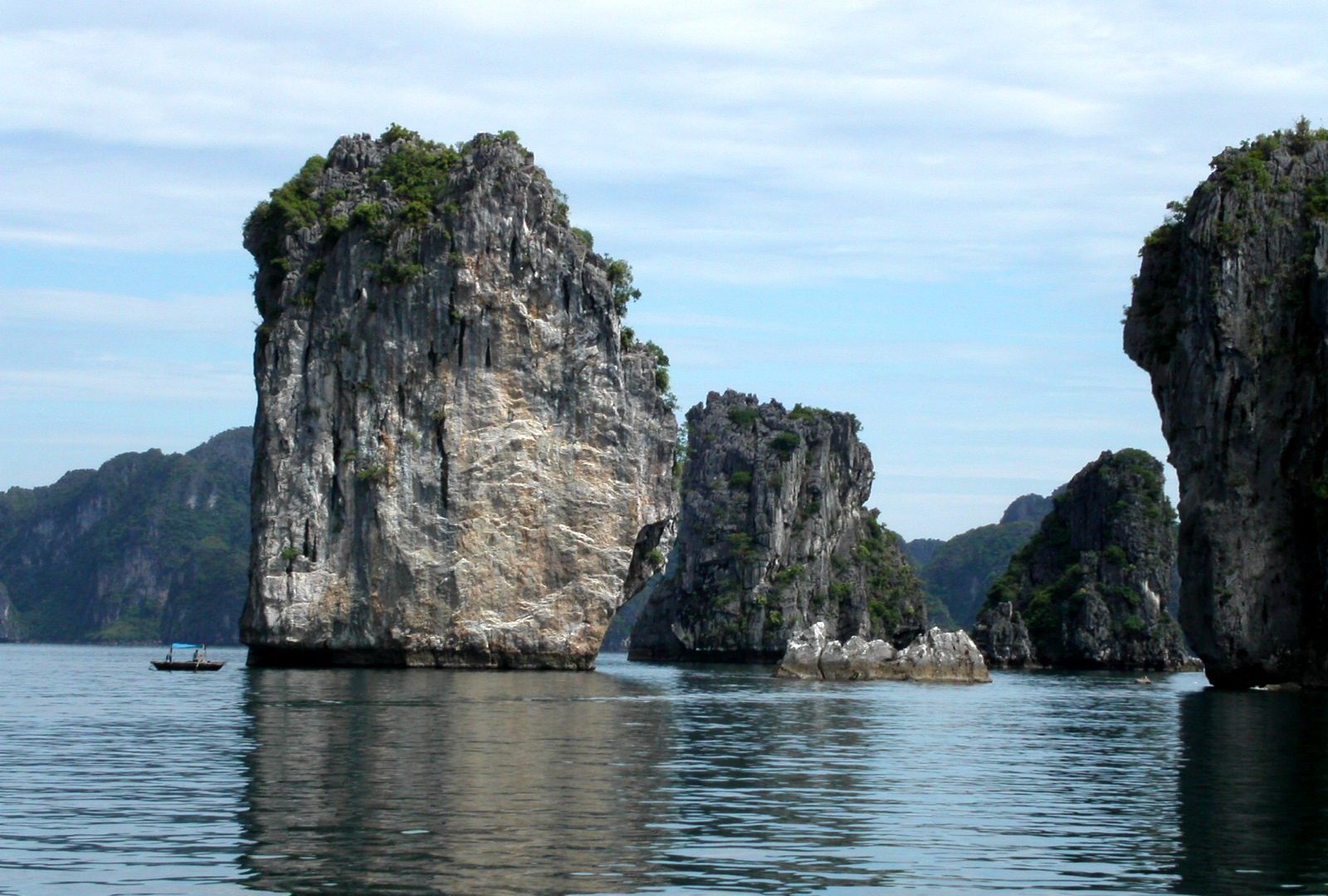
Halong Bay, Hanoi’s old quarter, and incredible street food.
Vietnam is long and narrow — more than fifteen hundred kilometres from the Chinese border to the Mekong Delta — and that shape governs everything about travelling here, including the fact that the country has three different climates operating at once.
The standard route runs the length of it: Hanoi and the northern mountains, the imperial city of Hue and the old trading port of Hoi An in the centre, and Ho Chi Minh City and the delta in the south. Done properly it takes two to three weeks; done in one, it becomes a series of internal flights.
Best Time to Visit
There is no single best month for the whole country, which is the most important planning fact about Vietnam.
The north (Hanoi, Ha Long Bay, Sapa) has a cool, sometimes cold and misty winter from around November to March, a hot humid summer, and its best conditions in autumn — roughly September to November — and in spring.
The centre (Hue, Da Nang, Hoi An) is driest and sunniest from around February to August; its rainy season falls in autumn, and this stretch of coast is the most exposed to typhoons, which are most frequent from September to November and can cause serious flooding in Hoi An.
The south (Ho Chi Minh City, the Mekong, Phu Quoc) is warm year-round, with a dry season roughly December to April and a wet season from May to November of heavy afternoon downpours rather than all-day rain.
Tet, the lunar new year, falls in late January or February. The country effectively closes for several days, transport is fully booked and prices rise; plan around it deliberately.
Weather & Climate
Vietnam spans tropical and subtropical zones. The south is tropical with consistent heat and two seasons, wet and dry. The centre is transitional, with a rainy season shifted into autumn by the mountains that run down the country's spine. The north is subtropical with a genuine winter: Hanoi can be chilly and damp, and the far north around Sapa and Ha Giang occasionally sees frost and rare snow at altitude.
Typhoons form in the South China Sea and make landfall mainly on the central and northern coasts between roughly July and November, bringing flooding and transport disruption. The Mekong Delta has an annual flood season, which is normal and part of the agricultural cycle rather than a disaster.
Map
Map data © OpenStreetMap contributors
Top Cities
Entry & Visa Guidance
Vietnam operates a national electronic visa system alongside visa exemptions for some nationalities and for limited stay lengths. Because the terms, the eligible nationalities and the permitted durations have been revised repeatedly in recent years, the only reliable source is the government's own portal.
The Vietnam Immigration Department states that the official electronic visa portal operates on two government domains — evisa.gov.vn and thithucdientu.gov.vn. A large number of commercial sites imitate these, charge substantial markups and sometimes deliver nothing; apply only through the official addresses.
General points that have held steady: passports are expected to have at least six months' validity, and immigration records the permitted stay on entry, so check the date granted rather than assuming. Overstaying carries fines. If you plan to visit border regions or travel overland to Laos or Cambodia, confirm which crossings accept e-visas, as not all do.
Getting There & Around
Domestic flights connect Hanoi, Da Nang and Ho Chi Minh City cheaply and frequently, and they are how most visitors cover the length of the country.
The Reunification Express railway runs the full coast and is one of the more rewarding train journeys in Asia, particularly the Hue to Da Nang section over the Hai Van Pass. Sleeper berths save a night's accommodation. Long-distance sleeper buses are cheaper again and comfortable in a specific, lie-flat way that some people dislike.
Locally, ride-hailing apps work well in the cities for both cars and motorbike taxis, and are cheaper and clearer than negotiating. Metered taxis exist; use well-known companies or an app to avoid the fare disputes that visitors report.
Hiring a motorbike is common and is the main source of serious injury to travellers. A correct licence is legally required, most travel insurance excludes riders without one, and traffic in Hanoi and Ho Chi Minh City is not a place to learn.
Approximate Travel Budget
Vietnam is inexpensive by international standards, and one of the best-value countries in the region for food and accommodation. Street food, local transport, domestic flights and mid-range hotels all cost little.
The costs that rise are organised: Ha Long Bay cruises, guided treks in the north, the resort strips at Da Nang and Phu Quoc, and private drivers. These are priced for visitors and vary enormously in quality for a similar outlay, so comparing operators matters more than the headline price.
Everyday saving is easy: eat where the plastic stools are, use ride-hailing apps rather than negotiating, take sleeper trains or buses on one or two legs, and travel outside Tet.
Local Customs & Culture
Vietnamese social conventions reward calm and modesty. Raised voices and visible anger cause a loss of face and make problems harder to resolve.
Dress modestly at temples and pagodas — covered shoulders and knees — and remove shoes where indicated, including when entering many homes. Do not touch anyone's head, and avoid pointing with a single finger or with your feet.
Both hands, or the right hand supported at the elbow by the left, are used to give and receive items respectfully. Elders are greeted first. When visiting war sites and memorials, expect an account of the conflict framed very differently from Western histories, and treat it as the country's own perspective.
Bargaining is expected in markets and not in shops with marked prices. Tipping is not traditional but has become common in tourism.
Food
Vietnamese cooking is light, herb-heavy and strongly regional. The north, around Hanoi, is subtler and less sweet — the home of pho and of bun cha. The centre, and Hue in particular, is spicier and more elaborate, a legacy of the imperial court, with bun bo Hue and a large repertoire of small dishes. The south is sweeter and more tropical, with coconut, more sugar and abundant fruit.
Banh mi, the baguette sandwich, is a direct product of the French colonial period, as is the coffee culture, which here means robusta, condensed milk, and in Hanoi the egg coffee. Fresh herbs and raw vegetables arrive as a plate on the side rather than as garnish and are meant to be used.
Street food is the core of the cuisine, not a cheap alternative to it. Stalls that cook one dish and turn over quickly are the reliable choice. Vegetarian food is widely available thanks to Buddhist tradition — look for com chay — though fish sauce is in a great many dishes by default.
Safety & Travel Advice
Vietnam has low levels of violent crime and is generally safe for visitors. The realistic risks are traffic, water and scams.
Road traffic is the major one. Crossing the street in Hanoi or Ho Chi Minh City means walking slowly and predictably so that motorbikes flow around you — stopping suddenly is what causes accidents. Riding a motorbike yourself carries the risks described above.
Petty scams cluster around taxis, currency confusion with large-denomination notes, and tours sold on the street. Bag-snatching from motorbikes happens in Ho Chi Minh City; keep phones away from the roadside.
Unexploded ordnance remains a hazard in some rural areas near the former demilitarised zone and along the Ho Chi Minh trail; stay on marked paths and use local guides in those regions. Food and water: drink bottled or filtered water, and ice from commercial producers is standard.
Useful Phrases
Vietnamese is tonal and uses a Latin-based alphabet with diacritics. English is common in tourism, less so in rural areas.
Xin chao - hello. Cam on - thank you. Khong - no.
Bao nhieu tien - how much is it.
Dat qua - too expensive; the standard opening of a market negotiation.
Ngon qua - very delicious.
Cho toi... - please give me...
Nha ve sinh o dau - where is the toilet.
Khong co ot - no chilli. Toi an chay - I am vegetarian.
Tinh tien - the bill, please.
Official Sources
Visa, entry, and safety information changes. Always verify with the official sources below before you travel.