
🇨🇱 Chile
The Atacama Desert, Patagonia, and a 4,000km ribbon of landscapes.
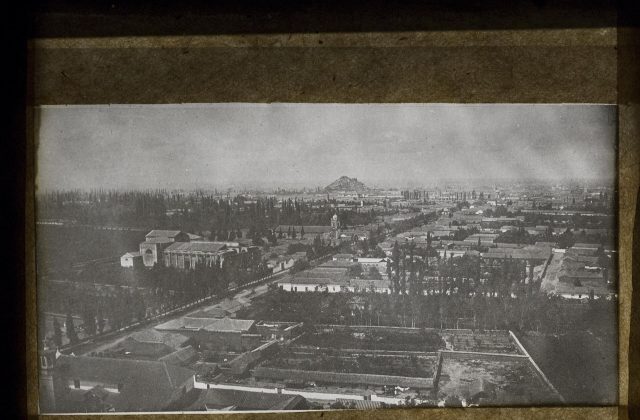
Chile is more than 4,000 kilometres long and rarely more than 180 wide, squeezed between the Andes and the Pacific. That shape means it contains the driest desert on earth in the north, a Mediterranean centre around Santiago, temperate rainforest and lakes in the south, and Patagonian ice at the end, and that no single trip covers them.
Pick a latitude. The Atacama, the Lake District around Pueblo and Puerto Varas, Torres del Paine, or the wine valleys near Santiago are four different countries in practice.
Best Time to Visit
Seasons are reversed. December to March is summer: the only realistic window for Patagonia and Torres del Paine, when the trails and refuges are open, and also the busiest and priciest.
The Atacama works year-round: it is desert, though nights are cold at altitude in winter and the altiplano can see snow.
April to May and September to November are the shoulder seasons in the centre and south: fewer people, autumn colour or spring flowers, and unsettled weather.
June to August is winter: the Andean ski season near Santiago, and largely closed in Patagonia, where days are short and many services stop.
Weather & Climate
Chile spans almost every climate because it spans almost forty degrees of latitude.
The Atacama in the north is hyper-arid, with places that have recorded no meaningful rainfall for years, huge day-night temperature swings and very high UV at altitude. Central Chile has a Mediterranean climate — dry hot summers, mild wet winters — which is why the vineyards are there.
The south is wet and temperate, with rainfall increasing steadily toward Chiloé and Aysén. Patagonia is cold, and above all windy: gusts in Torres del Paine regularly reach the point where walking is difficult, and this is the factor visitors underestimate most.
Map
Map data © OpenStreetMap contributors
Top Cities
Entry & Visa Guidance
Many nationalities enter visa-free for tourism. Confirm your own nationality's position and the current permitted stay with the Chilean immigration service before booking, as arrangements have been revised in recent years.
On entry you receive a tourist card or digital record: keep it, as it is requested on departure and at hotels, where presenting it can exempt foreign visitors from local accommodation tax.
Agricultural controls are strict and actively enforced. Chile's geography has kept out several plant and animal diseases, and the SAG service screens arrivals: fresh food, seeds, plant material, honey and animal products must be declared, and undeclared items attract immediate fines. Treat the declaration form like New Zealand's or Australia's, not as a formality.
Note that there are also internal agricultural checkpoints between Chilean regions where fruit may be confiscated.
Getting There & Around
Distances make domestic flights the default for anything beyond a neighbouring region: Santiago to Calama for the Atacama, or to Punta Arenas for Patagonia, are flights rather than drives.
Long-distance buses are excellent: comfortable, frequent, with fully reclining cama classes on overnight routes, and much cheaper than flying.
A hire car is genuinely useful in the Lake District, the wine valleys and on the Carretera Austral. In Patagonia, note that crossing into Argentina with a hire car requires permission and insurance arranged in advance — this catches people out on the Torres del Paine to El Calafate route.
Santiago has a clean, extensive metro. Ferries serve Chiloé and the southern fjords, and the Navimag cargo-passenger ship between Puerto Montt and Puerto Natales is a multi-day journey in itself.
Approximate Travel Budget
Chile is the most expensive country in South America and roughly comparable to southern Europe. Patagonia is the costly part: park fees, remote lodging, guided trekking and the logistics of getting there all add up.
Best value: the menú del día at lunch, a fixed-price set meal served on weekdays; long-distance buses instead of flights; and the excellent, cheap Chilean wine.
Where money goes: Torres del Paine refuges and campsites, which must be booked months ahead for the W trek and sell out; domestic flights booked late; and Atacama tours, which are priced per excursion.
Tipping is around ten per cent in restaurants and often suggested on the bill.
Local Customs & Culture
Chileans are warm but more reserved than their Argentine or Brazilian neighbours, and formal on first meeting: a handshake, or one kiss on the cheek socially.
Chilean Spanish is famously fast, full of local idiom and drops final consonants, and even fluent Spanish speakers from elsewhere find it hard at first. Cachai, po and weón will appear in every conversation.
Lunch is the main meal and long. Dinner is late. Once, an afternoon tea with bread and spreads around six, is a real daily institution.
The Pinochet dictatorship and its aftermath remain live subjects, with memorial sites such as the Museum of Memory and Human Rights in Santiago. Approach the topic with care and let Chileans lead it.
Food
Chilean cooking is hearty and seafood-rich rather than spicy. The Pacific current supports outstanding fish and shellfish — congrio, machas, erizos, and the enormous picoroco barnacle — and the fish markets in Santiago and Valparaíso are worth visiting for their own sake.
Everyday dishes: pastel de choclo, a sweetcorn and meat pie; empanadas de pino; cazuela, a clear stew; curanto in Chiloé, cooked in an earth pit; and completos, loaded hot dogs, as street food.
Wine is the national product: Maipo and Colchagua for cabernet and carmenère, Casablanca for whites, and Pisco from the Elqui valley for the pisco sour that Chile and Peru both claim.
Tap water is safe in cities but heavily mineralised in the north, where bottled is more comfortable.
Safety & Travel Advice
Chile is among the safer countries in South America, but street crime in Santiago and Valparaíso has increased and pickpocketing and phone snatching are common in tourist areas and on the metro. Keep phones out of sight in the street.
The genuine risks are natural. Chile is one of the most seismically active countries on earth, and coastal areas have tsunami evacuation routes marked — learn the rule that a long or strong earthquake means moving uphill immediately. Volcanoes in the south are monitored and occasionally close areas.
Altitude is a serious factor in the north: San Pedro de Atacama sits above 2,400 metres and excursions go well above 4,000. Ascend gradually and do not go straight from a flight to the geysers.
In Patagonia, wind and exposure cause most incidents; register at park entrances and respect closures. UV is extreme in the desert and the far south alike.
Useful Phrases
Spanish is the language. English is limited outside Santiago and tourist areas, and Chilean Spanish is its own challenge.
Hola - hello. Buenos dias / buenas tardes - good morning / afternoon.
Gracias - thank you. Por favor - please.
Cuanto vale - how much is it (more common here than cuanto cuesta).
La cuenta, por favor - the bill, please.
Cachai - you get it, you know, used constantly as a tag question.
Po - a filler added to the end of words, as in si po.
Al tiro - right away, immediately.
Once - the afternoon tea-and-bread meal.
Donde esta el bano - where is the toilet.
Official Sources
Visa, entry, and safety information changes. Always verify with the official sources below before you travel.
