🇸🇮 Slovenia
Alpine lakes, karst caves and a green capital in Europe’s compact corner
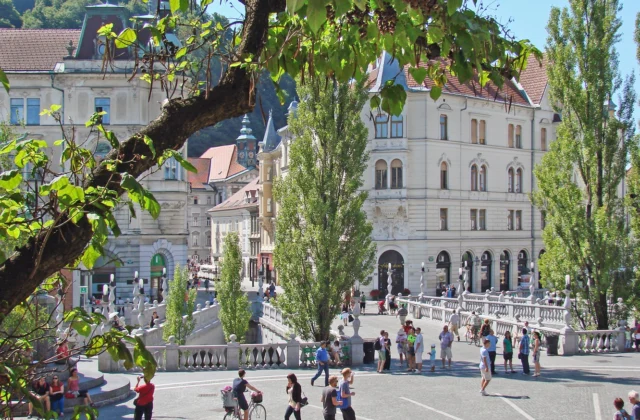
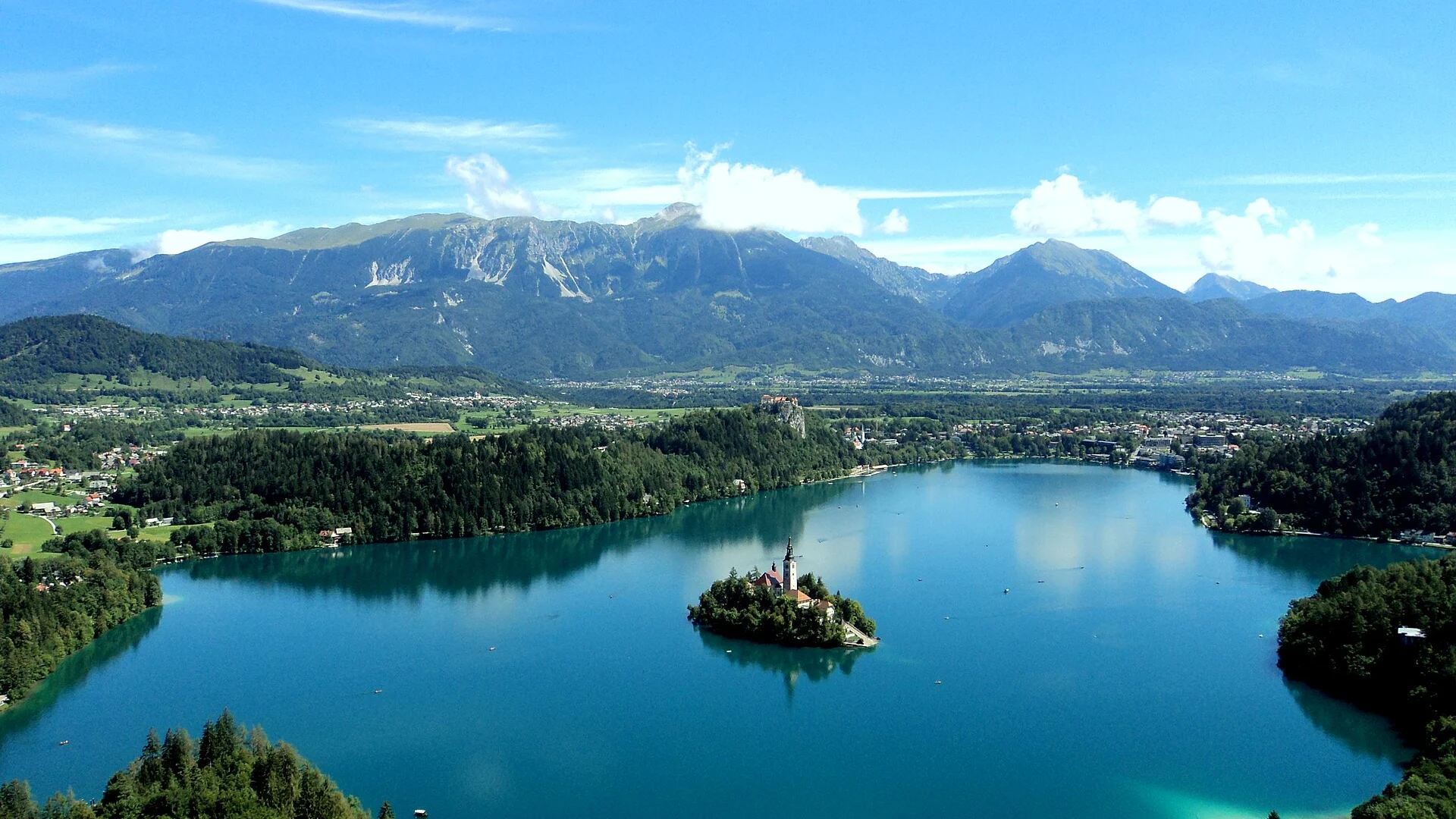
Slovenia fits Alpine peaks, emerald rivers, vast karst caves, vineyards and a short stretch of Adriatic coast into a country small enough to cross in an afternoon. Forest covers more than half the land, and the capital, Ljubljana, is a relaxed riverside city that makes an easy base for almost everything else.
Best Time to Visit
Late May to September is the main season for hiking in the Julian Alps, swimming in lakes Bled and Bohinj, and rafting on the Soča. July and August are busiest, particularly around Bled, so aim for June or September if you can.
Autumn brings golden beech forests, the grape harvest in the wine regions and mild days in Ljubljana, whose café terraces along the river stay lively well into October. Winter means skiing in the Alps, Christmas lights and markets in the capital, and occasional valley fog. Spring fills the waterfalls and gorges with snowmelt and is a quiet time to see the caves and the coast.
Weather & Climate
Slovenia sits where three climates meet. The Alpine north-west has cool summers, cold snowy winters and fast-changing mountain weather. The centre and east are continental, with warm summers and cold winters, while the coast and the Karst plateau have a milder sub-Mediterranean climate.
Rain falls throughout the year and summer afternoon thunderstorms are common in the mountains. On the Karst and the coast, the cold burja wind can blow hard in winter.
Map
Map data © OpenStreetMap contributors
Top Cities
Entry & Visa Guidance
Slovenia is in the European Union, the eurozone and the Schengen Area. EU, EEA and Swiss citizens can enter with a valid passport or national identity card.
Many other nationalities, including citizens of the UK, the US, Canada and Australia, can stay without a visa for up to 90 days in any 180-day period across the whole Schengen Area. Travellers who need a visa apply for a Schengen visa through a Slovenian embassy or consulate, or that of their main Schengen destination.
- EES: the EU Entry/Exit System has been operational at all Schengen external borders since 10 April 2026, recording non-EU visitors' fingerprints and facial images instead of passport stamps. Most visitors reach Slovenia via another Schengen country or Ljubljana airport, where registration takes place if it is your first external-border entry.
- ETIAS: the planned travel authorisation for visa-exempt visitors is not yet in force; it is scheduled for the last quarter of 2026, with the exact date still to be confirmed.
- Border checks: Slovenia has repeatedly extended temporary controls at its internal borders with Croatia and Hungary, so carry your passport or ID even on journeys within Schengen.
Confirm the current rules for your nationality with the official source before booking. Checked October 2026.
Getting There & Around
Distances are short. Ljubljana is the hub for both the national railway, Slovenske železnice, and intercity buses, which are often quicker than trains to places such as Bled, Bohinj and Piran. International trains and coaches link the capital with neighbouring countries, including Croatia, Austria and Italy.
A car is the easiest way to explore the Soča valley, the Karst and smaller wine villages. Vehicles using Slovenian motorways and expressways need an e-vignette (e-vinjeta) registered to the number plate before you drive on them; buy it from the official motorway company, DARS, or authorised sellers. Mountain passes such as the Vršič can close in winter.
The country's main airport, Ljubljana Jože Pučnik, lies north of the capital. Many visitors also fly into Zagreb, Trieste, Venice or other nearby airports and continue overland.
Approximate Travel Budget
Slovenia uses the euro. Costs are generally moderate by Western European standards, though Bled and Ljubljana's old town in high summer are noticeably pricier than the countryside.
- Save: stay in guesthouses or farm stays (turistične kmetije), eat the set lunch (malica or dnevno kosilo) many restaurants offer on weekdays, and use buses rather than tours for day trips.
- Plan for: cave and gorge entry tickets, mountain hut stays, the e-vignette if you drive, and a local tourist tax added to accommodation.
Cards are widely accepted; cash is still useful in mountain huts and small rural inns.
Local Customs & Culture
Slovenes tend to be reserved at first, punctual and quietly proud of their landscape. Greet with a handshake and dober dan; in someone's home you will usually be asked to take off your shoes and offered slippers.
- Outdoors: mountain culture is strong. Greet fellow hikers on the trail, keep to marked paths and take your rubbish home.
- Sundays: most larger shops are closed on Sundays and public holidays, so plan groceries ahead.
- Tipping: not expected, but rounding up or leaving around ten per cent for good service is appreciated.
- Language: Slovene, not Slovak or Slavic; a few words go a long way.
Food
Slovenian food borrows from Alpine, Pannonian and Mediterranean kitchens. Try kranjska klobasa, the Carniolan sausage protected as a traditional speciality; idrijski žlikrofi, small potato-filled dumplings from Idrija; hearty jota stew on the Karst; and štruklji, rolled dumplings with sweet or savoury fillings.
Sweets are a highlight: potica, a rolled nut cake for holidays, the layered prekmurska gibanica from the east, and Bled's famous cream cake, kremšnita. In Ljubljana, the open-air food market Odprta kuhna gathers local cooks on Fridays during the warmer months.
Wine is everywhere, from the white rebula and amber wines of Goriška Brda to the deep red teran of the Karst and the light cviček of Dolenjska. Many visitors pair Slovenia with neighbouring Croatia for a coast-and-mountains trip.
Safety & Travel Advice
Slovenia has low crime levels and is an easy country to travel in. Watch for pickpockets in busy tourist spots, and call 112 for emergencies, including mountain rescue.
- Mountains: Alpine weather can change within an hour. Start early, carry layers and water, check forecasts and hut opening dates, and do not attempt high routes such as Triglav without the right experience or a guide.
- Rivers: the Soča and other rivers are cold and fast; use licensed operators for rafting or canyoning.
- Ticks: common in forests and meadows; check yourself after hikes and ask a doctor about vaccination against tick-borne encephalitis before a long walking trip.
- Driving: winter equipment is required in cold conditions; check rules before travelling between November and March.
Check your own government's travel advice before you go.
Useful Phrases
Slovene is the official language; English is widely spoken, especially by younger people, but a few words of Slovene earn real goodwill.
Dober dan: Good day / Hello
Živjo: Hi / Bye (informal)
Hvala: Thank you
Prosim: Please / You're welcome
Ja / Ne: Yes / No
Oprostite: Excuse me / Sorry
Koliko stane? How much does it cost?
Račun, prosim: The bill, please
Na zdravje! Cheers!
Nasvidenje: Goodbye
Official Sources
Visa, entry, and safety information changes. Always verify with the official sources below before you travel.
- https://www.gov.uk/foreign-travel-advice/slovenia/entry-requirements
- https://www.gov.si/en/news/2025-12-17-controls-at-internal-borders-with-croatia-and-hungary-extended-until-21-june-2026/
- https://home-affairs.ec.europa.eu/policies/schengen/smart-borders/entry-exit-system_en
- https://travel-europe.europa.eu/etias/about-etias/news-corner
- https://www.slovenia.info/en/plan-your-trip/getting-to-and-around-slovenia/to-slovenia-by-car
- https://www.stat.si/StatWeb/en
- https://whc.unesco.org/en/statesparties/si
Plan your trip to Slovenia
Free tools for flight times, time differences, budget, money and plugs.
- Flight Duration CalculatorWork out real flight time across time zones.
- Time Zone ConverterFind the time in another city instantly.
- Trip Budget CalculatorEstimate your total trip cost, item by item.
- Currency ConverterConvert prices between currencies at indicative rates.
- Travel Plug & Voltage CheckerCheck if you need a plug adapter or voltage converter.
- Jet Lag CalculatorEstimate how many days you need to beat jet lag.