🇵🇹 Portugal
Lisbon’s hills, Porto’s port wine, and the Algarve coast.
Portugal is small enough to cross in a day and varied enough that people rarely do. The Atlantic coast, the terraced vineyards of the Douro, the walled hill towns of the interior, the Algarve’s cliffs and the Azores and Madeira in the middle of the ocean are all one country with one currency and one language.
It is also a country whose history is disproportionate to its size (a maritime empire that reached Brazil, Africa, India and Japan) and that history is visible in the architecture, the food and the vocabulary everywhere you go.
Best Time to Visit
March to June and September to October are the best months on the mainland: warm, long days, and none of the high-summer pressure on the Algarve or Lisbon.
July and August are hot, and the interior, the Alentejo in particular, gets very hot indeed, while the coast stays cooler thanks to the Atlantic. This is also when Portuguese families holiday, so the Algarve is at capacity.
Winter is mild on the coast and in the south, wet in the north, and by far the cheapest time; Lisbon and Porto work perfectly well in January. Madeira is temperate year-round and the Azores are mildest between June and September.
Dates worth knowing: the Festas de Lisboa around Santo António in mid-June, São João in Porto on the night of 23 June, and the surf season on the north-west coast, which peaks in winter.
Weather & Climate
Portugal has a Mediterranean climate modified everywhere by the Atlantic. The north around Porto and the Minho is green and genuinely rainy, with mild temperatures. The centre is more balanced. The Alentejo and the Algarve in the south are hot and dry in summer with very mild winters.
The coast is cooler and windier than the interior at the same latitude, and the sea is noticeably cold for swimming on the west coast even in summer because of Atlantic upwelling. The south-facing Algarve beaches are warmer.
The Atlantic archipelagos are different again: Madeira is subtropical with a wet north and dry south separated by mountains, and the Azores are oceanic, green and changeable, with weather that can turn several times in a day.
Map
Map data © OpenStreetMap contributors
Top Cities
Entry & Visa Guidance
Portugal is in the Schengen area. Visa-exempt visitors may generally stay up to 90 days in any 180-day period, counted across all Schengen countries together rather than per country.
The Entry/Exit System (EES): biometric registration at the external border replacing passport stamps, has been fully operational across all Schengen countries since 10 April 2026. ETIAS, the pre-travel authorisation for visa-exempt nationalities, is scheduled to start in the last quarter of 2026, with the exact date to be communicated officially; it is not required yet.
Madeira and the Azores are part of Portugal and of Schengen, so travelling there from the mainland involves no separate entry formality. Confirm the current position on the European Commission's own travel pages before departure, since the ETIAS start date has been revised several times.
Getting There & Around
Trains connect the main line along the coast (Lisbon, Coimbra, Porto) with fast Alfa Pendular and cheaper Intercidades services; book ahead for the best fares. Regional lines serve the Douro valley, which is one of the most scenic rail journeys in Europe.
Buses cover the interior and the Alentejo better than the trains do. A car is genuinely useful for the Alentejo, the Douro, the Serra da Estrela and the smaller Algarve beaches, and unnecessary in Lisbon or Porto.
Driving notes: many Portuguese motorways use electronic-only tolls with no cash booths, and hire cars need a transponder or a registered payment method, arrange this with the rental company rather than assuming, because unpaid tolls become fines. Fuel and tolls together make motorway driving less cheap than it looks.
Madeira and the Azores are reached by air, with inter-island flights and some ferries within the Azores.
Main Airports
Major Airlines
Approximate Travel Budget
Portugal is one of the better-value countries in western Europe, though Lisbon and Porto accommodation has risen sharply in recent years and is no longer notably cheap.
Food, wine and public transport remain inexpensive. A tasca lunch, a glass of vinho verde or a pastel de nata all cost little, and the prato do dia at lunchtime is the everyday bargain.
Where money goes: city hotels in high season, Algarve resorts in August, and the Douro wine estates, which are priced as a premium experience. Museums and monuments are moderately priced, and many towns' best feature, the historic centre itself, is free.
Local Customs & Culture
Portuguese social style is courteous and relatively formal compared with Spain. A greeting on entering a shop, and the use of senhor or senhora, is normal. Two kisses between women and between a man and a woman are usual socially.
The couvert (bread, olives, cheese or pâté brought to the table before you order) is optional and charged only if eaten. Declining it is entirely normal and causes no offence.
Meal times are later than northern Europe but earlier than Spain: lunch from around one, dinner from eight. Coffee is central to the day, taken small and strong at a counter.
Do not describe Portugal as part of Spain, or Portuguese as a Spanish dialect. The distinction matters here in the same way the regional distinctions matter across the border.
Food
Portuguese cooking is Atlantic and conservative in the best sense. Bacalhau, salted cod, is the national obsession, with a very large number of named preparations. Grilled sardines belong to the summer festivals. Pork, particularly from the black pigs of the Alentejo, and slow-cooked stews are the inland tradition.
Regional markers: francesinha, a heavy layered sandwich, in Porto; leitão, roast suckling pig, around Bairrada; cataplana seafood stews in the Algarve; and bread-based dishes such as açorda and migas in the Alentejo.
The wines are undervalued abroad: vinho verde from the north, the Douro reds, the Alentejo, and the fortified wines of Porto and Madeira. Pastéis de nata are everywhere, and the original recipe belongs to Belém in Lisbon.
Safety & Travel Advice
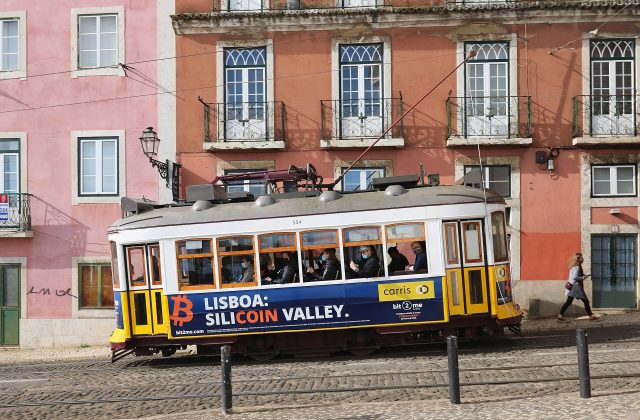
Portugal consistently ranks among the safest countries in Europe, with low violent crime. Pickpocketing occurs on Lisbon's tram 28, on the funiculars and in crowded tourist areas of Lisbon and Porto.
The Atlantic is the more serious hazard. Beaches on the west coast have strong rips and large surf, and the safe approach is to swim at beaches with lifeguards and to respect the flag system. Beaches marked with the red flag should not be entered.
Summer wildfires affect the forested centre and north of the country; follow local instructions and the civil protection authority. Heatwaves in the Alentejo can be severe. Emergency services are reached on 112.
Useful Phrases
European Portuguese sounds quite different from Brazilian Portuguese. English is widely spoken in cities and tourist areas.
Bom dia / Boa tarde / Boa noite - good morning / afternoon / evening.
Por favor - please. Obrigado (men) / Obrigada (women) - thank you; the ending changes with the speaker.
Desculpe - excuse me, sorry.
A conta, por favor - the bill, please.
Quanto custa - how much does it cost.
Uma bica / um cafe - an espresso, bica being the Lisbon term.
Onde fica a casa de banho - where is the toilet.
Nao percebo - I don't understand. Fala ingles - do you speak English.
Official Sources
Visa, entry, and safety information changes. Always verify with the official sources below before you travel.
Plan your trip to Portugal
Free tools for flight times, time differences, budget, money and plugs.
- Flight Duration CalculatorWork out real flight time across time zones.
- Time Zone ConverterFind the time in another city instantly.
- Trip Budget CalculatorEstimate your total trip cost, item by item.
- Currency ConverterConvert prices between currencies at indicative rates.
- Travel Plug & Voltage CheckerCheck if you need a plug adapter or voltage converter.
- Jet Lag CalculatorEstimate how many days you need to beat jet lag.