🇩🇪 Germany
Berlin’s history, Bavarian castles, and efficient rail travel.
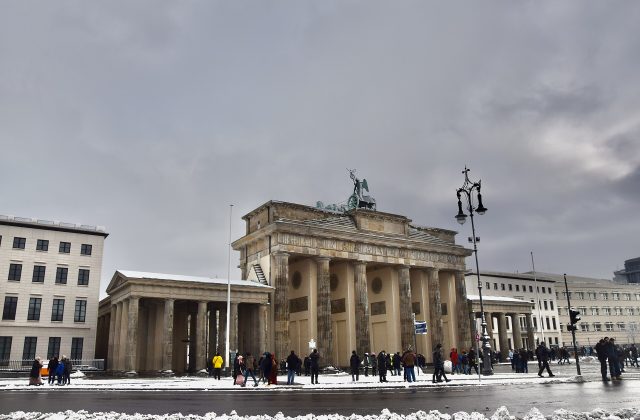
Germany was a collection of separate states until 1871 and was divided again for forty years after 1945, and it still travels like a federation rather than a single country. Bavaria, the Rhineland, Saxony and the Hanseatic north differ in dialect, food, architecture and temperament.
What makes it easy is the infrastructure: an extensive rail network, cheap and reliable city transport, and a density of medium-sized cities worth visiting in their own right rather than as stops between Berlin and Munich.
Best Time to Visit
May to September is the main season: long days, beer gardens, lake swimming, hiking in the Alps and the Black Forest.
May, June and September are the best balance of weather and crowds. Late September to early October is Oktoberfest in Munich, which despite the name mostly falls in September, and which makes accommodation in Bavaria both scarce and expensive.
December is Christmas market season, and the markets in Nuremberg, Dresden, Cologne and dozens of smaller towns are the reason many people visit in winter at all.
January to March is cold and grey in the cities and the ski season in the Alps. November is the weakest month.
Weather & Climate
Germany has a temperate climate, more maritime in the northwest and more continental toward the east and southeast. That means milder winters and cooler summers near the North Sea, and colder winters and hotter summers in Berlin, Saxony and Bavaria.
The Alps in the far south hold snow from roughly December to April at altitude, with mountain weather that changes quickly. The Black Forest and the central uplands get more rain and snow than the plains.
Summer heatwaves have become more frequent, and older buildings and much public transport are not air-conditioned.
Map
Map data © OpenStreetMap contributors
Top Cities
Entry & Visa Guidance
Germany is in the Schengen area. Visa-exempt visitors may generally stay up to 90 days in any 180-day period, counted across all Schengen countries together rather than per country.
The Entry/Exit System (EES): biometric registration at the external border replacing passport stamps — has been fully operational across all Schengen countries since 10 April 2026. ETIAS, the pre-travel authorisation for visa-exempt nationalities, is scheduled to start in the last quarter of 2026, with the exact date to be announced officially; it is not required yet.
Germany requires people to be able to identify themselves, and carrying your passport or a copy is sensible. Check the European Commission's own travel pages shortly before departure, as the ETIAS timetable has moved more than once.
Getting There & Around
Rail is the obvious way to travel. Fast ICE trains connect the major cities; regional trains fill in everywhere else. Advance fares are far cheaper than walk-up, and a reservation is separate from the ticket on long-distance services.
Germany has also run a flat-rate monthly ticket covering regional and local public transport nationwide — the successor to the 9-euro ticket — which can be outstanding value for a trip built on regional trains. Check the current name, price and terms before relying on it, as the scheme has been revised since launch.
Motorways are good and largely toll-free for cars, with derestricted sections that are genuinely fast. Many cities operate low-emission zones requiring a windscreen sticker, including for hire cars.
City transport — U-Bahn, S-Bahn, trams, buses — is excellent and integrated. Validate your ticket where required: there are no barriers, but plain-clothes inspectors check constantly and fine on the spot.
Approximate Travel Budget
Germany is mid-priced for western Europe and better value than France or the Netherlands for food and drink. Bakeries, imbiss stands, market halls and beer gardens all eat cheaply and well.
Where money goes: hotels in Munich during Oktoberfest and in any city hosting a trade fair, which can multiply rates for a week; walk-up rail fares; and the paid attractions in Berlin and the Bavarian castles.
Two practical notes that affect a budget. Cash is still widely needed: many restaurants, bakeries and small shops do not take cards, and this surprises visitors more than anything else about Germany. And shops close on Sundays almost everywhere, so plan groceries for Saturday.
Tipping is by rounding up, told to the server as you pay rather than left on the table.
Local Customs & Culture
Germans value directness and precision, and what can read as bluntness is usually just efficiency without social padding. A clear question gets a clear answer.
Punctuality is taken seriously — arriving late to an arrangement needs an apology. Rules are followed for their own sake: crossing at a red pedestrian light in front of others, particularly with children present, will attract comment.
Quiet hours (Ruhezeit) are observed in residential buildings, typically at night and often on Sunday afternoons. Recycling is elaborate and taken seriously, and bottles carry a deposit reclaimed at supermarket machines.
Titles and surnames are used until invited otherwise. In a restaurant you keep the table you are given, and separate bills are normal — servers will ask whether you are paying together or separately.
Food
German food is regional to a degree that surprises people who expect only sausage and pork. Bavaria does weisswurst, pretzels and roast pork; the southwest has spätzle, maultaschen and Black Forest cake; the north does fish, labskaus and eel soup; Saxony and Thuringia have their own sausages and dumplings.
The everyday layer is bread — a genuinely serious bakery culture with hundreds of registered varieties — plus the imbiss stand, and the Turkish-German döner, which was created in Berlin in the 1970s and is now a national staple.
Beer is regional and protected by tradition: Kölsch in Cologne, Weissbier in Bavaria, Pils in the north, Berliner Weisse in Berlin. Franconia and the Mosel and Rhine valleys produce excellent wine, mostly drunk domestically.
Tap water is safe; restaurants usually serve bottled and will charge for it.
Safety & Travel Advice
Germany is a safe country with low levels of violent crime. Pickpocketing occurs at main stations, on crowded transport and at Christmas markets and festivals.
Cycling infrastructure is extensive and cyclists move fast: as a pedestrian, look before stepping into a red-paved lane, which is the most common way visitors get hurt here.
In the Alps, mountain weather and terrain demand normal precautions; the rescue services are called out to underprepared walkers year-round. Lake and river swimming looks benign and has cold-water and current risks.
Emergency services are on 112. Healthcare is excellent; carry insurance and note any reciprocal arrangements that apply to your nationality.
Useful Phrases
German is the language. English is widely spoken in cities and by younger people, less so in rural areas and the former east.
Guten Tag - good day. Guten Morgen / Guten Abend - good morning / evening.
Bitte - please, and also here you are, and you're welcome.
Danke - thank you. Danke schoen - thank you very much.
Entschuldigung - excuse me, sorry.
Sprechen Sie Englisch - do you speak English.
Was kostet das - how much does that cost.
Die Rechnung, bitte - the bill, please. Zusammen oder getrennt - together or separately.
Ein Bier, bitte - a beer, please.
Wo ist die Toilette - where is the toilet.
Official Sources
Visa, entry, and safety information changes. Always verify with the official sources below before you travel.