
🇮🇹 Italy
Rome, Venice, Florence, and the Amalfi Coast, Europe’s most-loved classic.


Italy was a collection of separate states until 1861, and it still travels like one. The food, the dialects, the architecture and the pace change every hundred kilometres, and a trip that treats Venice, Florence and Rome as one destination misses the point of the country.
The practical consequence is that Italy is best done narrowly. One region properly (the Veneto, Tuscany, Campania, Sicily, Puglia) gives a better trip than four cities linked by trains, and the high-speed rail network makes it easy to add a second region without hiring a car.
Best Time to Visit
April to early June and September to October are the best months almost everywhere: warm, long evenings, and the sites usable all day.
July and August are hot, crowded and expensive, and much of Italy closes for its own holidays around Ferragosto on 15 August, when city restaurants and shops shut and the coast fills with Italians. November to March is low season in the cities, with short queues and low prices; it is also when the Alps and Dolomites are at their best for skiing.
The south and Sicily have a much longer warm season, swimming is realistic from late May into October, while the north can be cold, grey and foggy in winter, particularly in the Po valley.
Weather & Climate
Italy runs from the Alps to a latitude south of Tunis, so the climate varies more than the country's size suggests. The north has a continental climate with cold, damp winters and hot, humid summers. Central Italy and the coasts are Mediterranean: hot dry summers, mild wet winters. The south and the islands are hotter and drier still, with heatwaves pushing well above the summer average.
The mountains are a separate proposition. The Alps and the Dolomites hold snow from roughly December to April at altitude, and high passes and mountain huts close outside the summer season, which matters for anyone planning walking routes.
Map
Map data © OpenStreetMap contributors
Top Cities
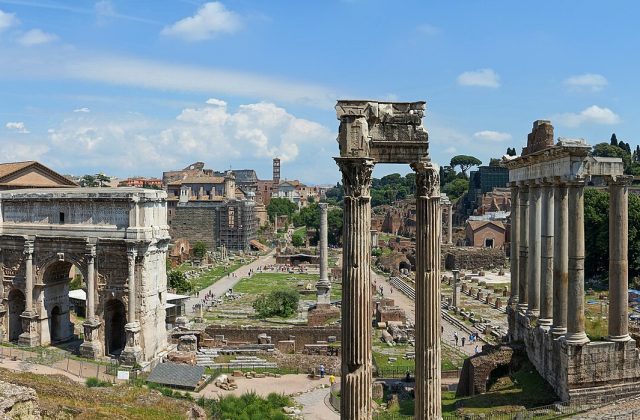
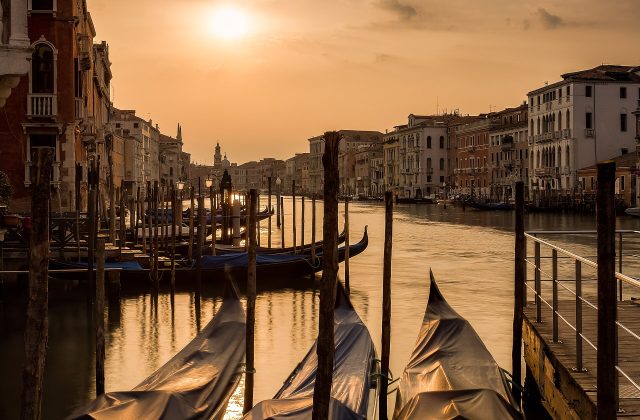
Popular Destinations
Entry & Visa Guidance
Italy is in the Schengen area, so the rules are European rather than Italian. Visa-exempt visitors may generally stay up to 90 days in any 180-day period across the whole Schengen zone: the days are counted across all member countries together, not per country.
Two European systems change what travellers need to do. The Entry/Exit System (EES), which registers biometric data at the external border instead of stamping passports, has been fully operational across all Schengen countries since 10 April 2026. ETIAS, a pre-travel authorisation for visa-exempt nationalities, is scheduled to start in the last quarter of 2026, with the exact date to be announced officially; it is not yet required.
Because the ETIAS timetable has moved before, check the European Commission's own travel pages shortly before you go rather than relying on secondhand reports. Note also that commercial sites charging fees for ETIAS pre-registration are not official.
Getting There & Around
The high-speed rail network is excellent and is the default way to move between cities: Rome to Florence, Florence to Bologna, Milan to Venice are all short hops. Two operators compete on the main lines, which keeps advance fares low: book early, because walk-up prices are much higher. Regional trains are cheap, slower and do not require reservation.
Paper regional tickets must be validated in the machine on the platform before boarding; high-speed tickets with a booked seat do not need it. Inspectors fine unvalidated tickets.
A car is useful for Tuscany, Umbria, Puglia and the mountains, and a liability in every city. Most historic centres are ZTL zones: limited traffic areas monitored by camera, which issue fines by post months later to drivers who enter without a permit. Park outside the walls and walk in.
Ferries connect Sicily, Sardinia and the smaller islands; the Amalfi and Cinque Terre coasts are far better seen by boat or train than by road in summer.
Main Airports
Approximate Travel Budget
Italy is mid-priced for western Europe, with the cost concentrated in accommodation in Venice, Florence, Rome and the Amalfi coast in high season, and in restaurant meals in the tourist cores.
Everyday Italy is inexpensive: coffee standing at the bar, pizza al taglio by weight, an aperitivo that comes with food, and a regional train ticket. Churches, piazzas and much of the best architecture cost nothing.
Money-saving that actually works: book high-speed trains weeks ahead, eat three streets away from any monument, take the fixed-price lunch menu, and note that most cities levy a per-person, per-night tourist tax that is usually collected at the property and not included in the booking price.
Local Customs & Culture
Dress is a signal here, and Italians are visibly more put together than most visitors. It matters practically at churches, where covered shoulders and knees are required, including at St Peter's and the Duomo in Florence.
Coffee has conventions: cappuccino is a morning drink, espresso is taken standing at the bar, and sitting at a table costs more by law-displayed price. Dinner starts late, from eight, and asking for a substitution or a modification to a dish is less welcome than in some countries.
A cover charge (coperto) per person is standard and legal, and is not a tip. Service is often included; small change rounding is normal rather than a percentage.
Greetings are warm and physical, a handshake or two kisses depending on familiarity, and a buongiorno on entering a shop or bar is expected rather than optional.
Food
There is no single Italian cuisine. Emilia-Romagna gives you egg pasta, prosciutto and parmigiano; Rome gives you pork, pecorino and pepper; Naples gives you the pizza and the tomato; Sicily gives you Arab-influenced sweets, citrus and street food. Ordering the local dish rather than the national one is the whole game.
Meals are structured (antipasto, primo, secondo, contorno, dolce) but nobody expects a visitor to order all of them. A primo and a contorno is a perfectly normal lunch.
Practical markers of a decent restaurant: a short menu, no photographs, no one outside inviting you in, and a handwritten or seasonal list. Regional wine by the carafe is usually good and cheap. Gelato made in-house tends to be stored in covered metal tins rather than piled in bright mounds.
Safety & Travel Advice
Italy is a safe country with low violent crime. The consistent problem for visitors is pickpocketing, concentrated on public transport and around major sites in Rome, Milan, Naples and Florence, particularly on crowded buses and at railway stations.
Traffic is the other everyday risk: scooters move fast, pedestrian crossings are treated as advisory in some cities, and driving norms are more assertive than in northern Europe.
Summer heat has become a genuine health issue, with heatwaves affecting the centre and south; plan sightseeing early and late. Parts of Italy are seismically active and Naples sits near Vesuvius and the Campi Flegrei, civil protection information is published locally and worth a glance if you are staying in those areas.
Recommended Itineraries
Useful Phrases
English is widely spoken in tourism and much less so in smaller towns and in the south. Starting in Italian is noticed.
Buongiorno - good morning / hello. Buonasera - good evening.
Per favore - please. Grazie - thank you. Prego - you're welcome, and also after you, go ahead.
Scusi - excuse me (to get attention or pass by).
Il conto, per favore - the bill, please.
Quanto costa - how much does it cost.
Vorrei... - I would like...
Un caffe - an espresso. Parla inglese - do you speak English.
Dov'e la stazione - where is the station.
Official Sources
Visa, entry, and safety information changes. Always verify with the official sources below before you travel.
Plan your trip to Italy
Free tools for flight times, time differences, budget, money and plugs.
- Flight Duration CalculatorWork out real flight time across time zones.
- Time Zone ConverterFind the time in another city instantly.
- Trip Budget CalculatorEstimate your total trip cost, item by item.
- Currency ConverterConvert prices between currencies at indicative rates.
- Travel Plug & Voltage CheckerCheck if you need a plug adapter or voltage converter.
- Jet Lag CalculatorEstimate how many days you need to beat jet lag.