🇲🇺 Mauritius
Lagoons, sugar-cane hills and a Creole, Indian and French table in the Indian Ocean
Mauritius is far more than a honeymoon postcard. Behind the coral lagoons rise green volcanic peaks, sugar-cane fields and a capital where Hindu temples, mosques and Creole markets share the same streets. It is compact, easy to travel and rewarding well beyond the beach.
Best Time to Visit
Mauritius is a year-round destination, but the seasons feel different. The austral winter, roughly May to November, is drier and fresher, with comfortable temperatures for hiking in the Black River Gorges and steady trade winds that kitesurfers love on the southeast and southwest coasts.
The summer, from about December to April, is hot and humid, with warmer water and more rain. It overlaps with the cyclone period, which official advice gives as November to May; storms are not constant, but flexible plans and good travel insurance are wise.
Mauritius pairs well with Madagascar, a short flight to the west, for travellers who want wildlife as well as lagoons.
Weather & Climate
The climate is tropical and tempered by the ocean. The coasts are warm all year, while the central plateau around Curepipe is noticeably cooler and wetter, often under cloud when the beaches are in sunshine.
The east and southeast, exposed to the trade winds, are breezier and greener; the west and north tend to be drier and calmer, with the best sunsets. During a cyclone warning, the authorities can require everyone to stay indoors, so follow local instructions.
Map
Map data © OpenStreetMap contributors
Explore More in the Region
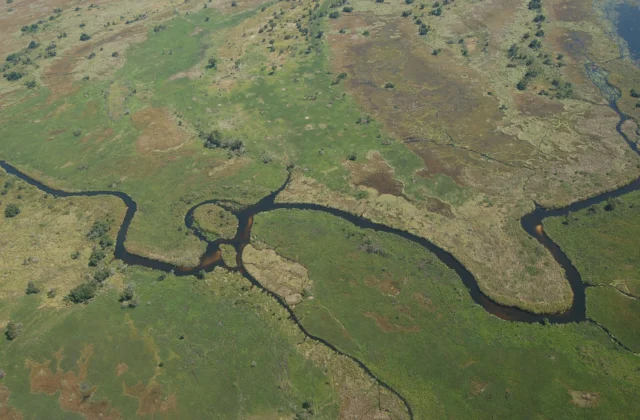
Botswana
Okavango waterways, Chobe's elephants and the vast silence of the Kalahari
Botswana
Les eaux de l'Okavango, les éléphants du Chobe et le silence du Kalahari

Egypt
Millennia of history along the Nile: pyramids, temples, and the Red Sea coast.
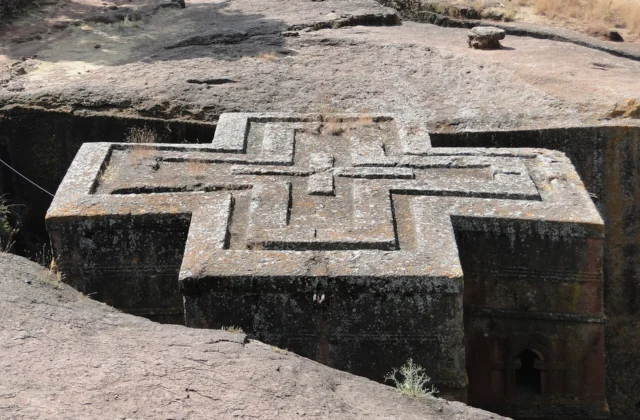
Ethiopia
Rock-hewn churches, ancient highlands, and the source of Ethiopian coffee.

Ghana
West African coastline, history, and a warm welcome.

Kenya
The Maasai Mara, the Great Migration, and East Africa's classic safari country.
Entry & Visa Guidance
Many nationalities, including British and US citizens, can visit Mauritius without a visa for up to 60 days; the authorised end date is stamped in your passport on arrival. Other nationalities may have different rules or need a visa in advance.
- Your passport must be valid for the length of your stay and have at least one blank page.
- You may be asked for proof of onward or return travel and sufficient funds.
- All travellers must complete the Mauritius All-in-One Travel Digital Form online before arrival (official US advice says within 72 hours of arrival) and keep a copy with its QR code.
- A yellow fever certificate is required if you arrive from a country with yellow fever risk.
Confirm the current rules for your nationality with the official source (the Mauritian authorities and your own government's travel advice) before booking. Checked October 2026.
Getting There & Around
International flights arrive at Sir Seewoosagur Ramgoolam International Airport in the southeast. From there, most visitors use a pre-booked transfer, a taxi or a hire car; the island is small enough that no resort is more than a couple of hours' drive away.
The Metro Express light rail links Port Louis with Curepipe via Rose Hill and Quatre Bornes, with a branch to Réduit, and is handy for exploring the towns of the central plateau. A dense bus network reaches villages and beaches cheaply, if slowly.
Driving is on the left. Roads are often narrow, winding and poorly lit, motorbikes may lack lights and accidents are common, so take care, especially after dark. Domestic flights connect the main island with Rodrigues, the quieter outer island.
Approximate Travel Budget
Mauritius suits a wide range of budgets. Luxury resorts dominate the image, but there are also guesthouses, self-catering apartments and small hotels, notably around Grand Baie, Flic en Flac and the south.
Street food and local eateries are inexpensive, while resort dining and boat excursions cost far more. Public buses are cheap; taxis are better agreed in advance. Cards are widely accepted in towns and hotels, and ATMs are easy to find.
Local Customs & Culture
Mauritian society blends Hindu, Muslim, Christian and Chinese traditions, and the calendar is full of festivals, from Maha Shivaratri pilgrimages to Grand Bassin to Diwali, Eid and the Spring Festival. Visitors are welcome, but dress modestly and remove your shoes when entering temples and mosques.
Beachwear belongs on the beach, not in town, and nudism is prohibited. People are courteous and switch easily between Creole, French and English; a greeting in Creole is always appreciated.
Food
Mauritian food mirrors its history. Start with dholl puri, thin flatbreads stuffed with split peas and served with curries and chutneys, a street-food favourite. Rougaille, a tomato-based Creole sauce, accompanies fish, sausages or octopus, and biryani is a Sunday classic.
Snack on gâteaux piments (chilli fritters) and cool off with alouda, a sweet milk drink with basil seeds. Seafood is excellent along the coast, and local rum distilleries offer tastings.
Safety & Travel Advice
Mauritius is generally a relaxed destination. Petty theft and burglary occur in tourist areas such as Port Louis and Grand Baie, so lock your room, keep valuables out of sight and avoid deserted beaches and poorly lit streets at night. The tourist police can be reached on 999.
At sea, choose licensed boat operators with proper life jackets and respect flags and currents beyond the reef. Drug laws are extremely strict: some medicines sold freely elsewhere are banned, so carry prescriptions in original packaging with a doctor's letter. Check your own government's travel advice before you go.
Useful Phrases
English and French are widely spoken, but Mauritian Creole (Kreol Morisien) is the language of daily life.
Bonzour: Hello / Good morning
Ki manyer? How are you?
Mo bien. I'm fine
Mersi: Thank you
Silvouple: Please
Wi / Non: Yes / No
Ki pri sa? How much is this?
Mo pa konpran. I don't understand
Orevwar: Goodbye
Official Sources
Visa, entry, and safety information changes. Always verify with the official sources below before you travel.
- https://www.gov.uk/foreign-travel-advice/mauritius/entry-requirements
- https://www.gov.uk/foreign-travel-advice/mauritius/safety-and-security
- https://travel.state.gov/content/travel/en/international-travel/International-Travel-Country-Information-Pages/Mauritius.html
- https://whc.unesco.org/en/statesparties/mu
- https://mymauritius.travel/
Plan your trip to Mauritius
Free tools for flight times, time differences, budget, money and plugs.
- Flight Duration CalculatorWork out real flight time across time zones.
- Time Zone ConverterFind the time in another city instantly.
- Trip Budget CalculatorEstimate your total trip cost, item by item.
- Currency ConverterConvert prices between currencies at indicative rates.
- Travel Plug & Voltage CheckerCheck if you need a plug adapter or voltage converter.
- Jet Lag CalculatorEstimate how many days you need to beat jet lag.