🇲🇬 Madagascar
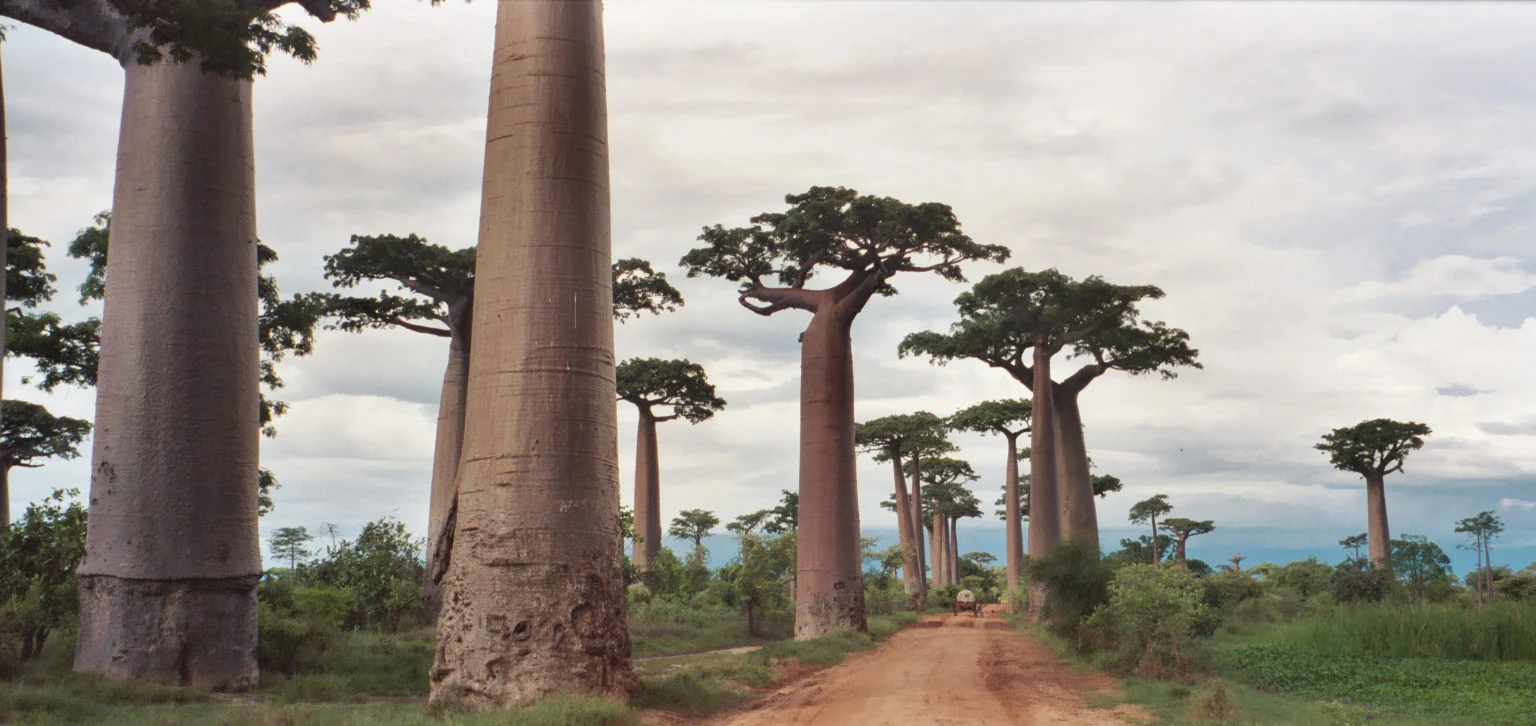
Lemurs, baobabs and limestone tsingy on the world’s fourth-largest island
Madagascar drifted away from Africa so long ago that most of its plants and animals exist nowhere else. Travel here is slow and rewarding: rainforests full of lemurs, avenues of baobabs, red highland towns and a long, empty coast. Plan generously, because distances are big and roads are hard work.
Best Time to Visit
The dry season, roughly April to November, is the most comfortable time to travel. Roads are more passable, rainforest trails are less muddy and the western parks, which can be cut off in the rains, are usually reachable from around May.
September to November is often singled out by naturalists: days are warming, many lemurs have young and the chameleons and reptiles become active again. July and August coincide with European holidays, so book domestic flights and lodges early.
The wet season (December to March) brings heavy rain and the risk of cyclones; some lodges close and remote routes become impassable. If you are also considering a beach extension, neighbouring Mauritius is a short flight away.
Weather & Climate
Madagascar is large enough to have several climates. The central highlands around Antananarivo are temperate, with cool nights in the southern-hemisphere winter (June to August). The east coast is humid and rainy for much of the year, which is why its rainforests are so lush.
The west is drier with a marked rainy season, and the south and southwest are semi-arid, home to spiny forest and hot, dry days. The north, including the islands around Nosy Be, is tropical and warm all year.
The cyclone risk runs from November to April, mainly affecting coastal areas; storms can cut access to remote regions, so follow meteorological warnings if travelling then.
Map
Map data © OpenStreetMap contributors
Explore More in the Region
Botswana
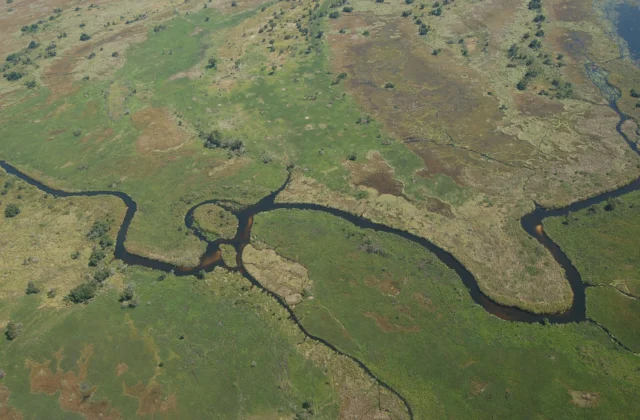
Okavango waterways, Chobe's elephants and the vast silence of the Kalahari
Botswana
Les eaux de l'Okavango, les éléphants du Chobe et le silence du Kalahari

Egypt
Millennia of history along the Nile: pyramids, temples, and the Red Sea coast.
Ethiopia
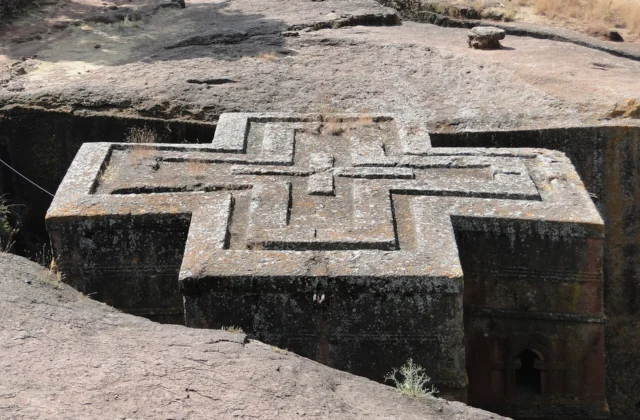
Rock-hewn churches, ancient highlands, and the source of Ethiopian coffee.

Ghana
West African coastline, history, and a warm welcome.

Kenya
The Maasai Mara, the Great Migration, and East Africa's classic safari country.
Entry & Visa Guidance
Most visitors need a visa, which can be obtained on arrival at the international airport or in advance through a Madagascar embassy or consulate. According to UK government advice, short stays of up to 15 days are possible on payment of an administration fee on arrival, and 30-day or 60-day single-entry tourist visas can also be bought on arrival; stays can be extended in-country up to a maximum of 90 days. Fee amounts have changed recently, so check them before you go.
- Your passport should be valid for at least six months after arrival and have several blank pages (official guidance asks for two to three).
- Be ready to show an onward or return ticket.
- A yellow fever certificate is required if you arrive from, or have transited through, a country with yellow fever risk.
Confirm the current rules for your nationality with the official source (your nearest Malagasy embassy and your own government's travel advice) before booking. Checked October 2026.
Getting There & Around
Most international flights land at Ivato International Airport in Antananarivo; some also serve Nosy Be in the north. Because the island is so big and the road network so limited, domestic flights save a great deal of time on long itineraries, though schedules can change at short notice.
On the ground, the classic route is the RN7, which runs south from the capital through the highlands towards Isalo and the southwest coast. Many travellers hire a car with a driver, which is the usual way to rent a vehicle here and much safer than self-driving. The budget option is the taxi-brousse, a shared minibus that leaves when full; it is cheap but slow and crowded.
Avoid travelling by road after dark: roads are unlit, many vehicles have no lights and robberies have been reported on main roads outside towns.
Approximate Travel Budget
Madagascar can be inexpensive day to day, but getting around is what drives costs up. A private driver, park guide fees and domestic flights quickly add up, while simple guesthouses and local meals in hotely (small restaurants) remain modest.
Mid-range trips typically combine a driver-guide with comfortable lodges near the main parks; at the top end, a handful of eco-lodges and island resorts charge international prices. Bring some euros or US dollars in cash, as card acceptance is limited outside larger hotels and ATMs can be scarce in rural areas.
Local Customs & Culture
Malagasy culture places great weight on the ancestors and on fady, local taboos that vary from village to village: a certain food, a place or even an action may be forbidden. Your guide will explain them; respect them even if they seem puzzling.
Greetings matter, and a little French or Malagasy goes a long way. Dress modestly away from beaches, always ask before photographing people, and be patient: mora mora, "slowly, slowly", is a national philosophy. Tipping guides and drivers is customary.
Food
Rice is the heart of every Malagasy meal, served in generous mounds with a side dish called laoka. Look for romazava, a meat and leafy-greens broth, ravitoto (pounded cassava leaves with pork), and zebu beef in many forms. Meals often finish with ranovola, water infused with the toasted rice from the bottom of the pot.
On the coasts, seafood and coconut sauces take over, and French influence lingers in bakeries and in vanilla, the island's most famous export. Drink bottled or treated water.
Safety & Travel Advice
Most visits are trouble-free, but petty theft and robbery are common, especially in Antananarivo, on beaches and in isolated places. Keep valuables out of sight, carry a copy of your passport and use taxis arranged by your hotel at night.
The political situation changed in late 2025, when protests were followed by the installation of a transitional government; avoid demonstrations and large gatherings. Do not drive at night, and during the cyclone season keep an eye on weather warnings.
Health preparation matters: see a travel clinic well before departure, as malaria is present in many areas and medical care outside the capital is limited. Check your own government's travel advice before and during your trip.
Useful Phrases
French is widely understood in towns and tourist areas, but a few words of Malagasy are warmly received.
Manao ahoana: Hello
Misaotra: Thank you
Azafady: Please / Excuse me
Veloma: Goodbye
Eny: Yes
Tsia: No
Ohatrinona? How much?
Tsara: Good
Mora mora: Slowly, slowly
Official Sources
Visa, entry, and safety information changes. Always verify with the official sources below before you travel.
- https://www.gov.uk/foreign-travel-advice/madagascar/entry-requirements
- https://www.gov.uk/foreign-travel-advice/madagascar/safety-and-security
- https://travel.state.gov/content/travel/en/international-travel/International-Travel-Country-Information-Pages/Madagascar.html
- https://whc.unesco.org/en/statesparties/mg
- https://unstats.un.org/unsd/demographic-social/products/dyb/documents/metadata/2024/Madagascar-2024-PE-Metadata.pdf
Plan your trip to Madagascar
Free tools for flight times, time differences, budget, money and plugs.
- Flight Duration CalculatorWork out real flight time across time zones.
- Time Zone ConverterFind the time in another city instantly.
- Trip Budget CalculatorEstimate your total trip cost, item by item.
- Currency ConverterConvert prices between currencies at indicative rates.
- Travel Plug & Voltage CheckerCheck if you need a plug adapter or voltage converter.
- Jet Lag CalculatorEstimate how many days you need to beat jet lag.