
🇨🇦 Canada
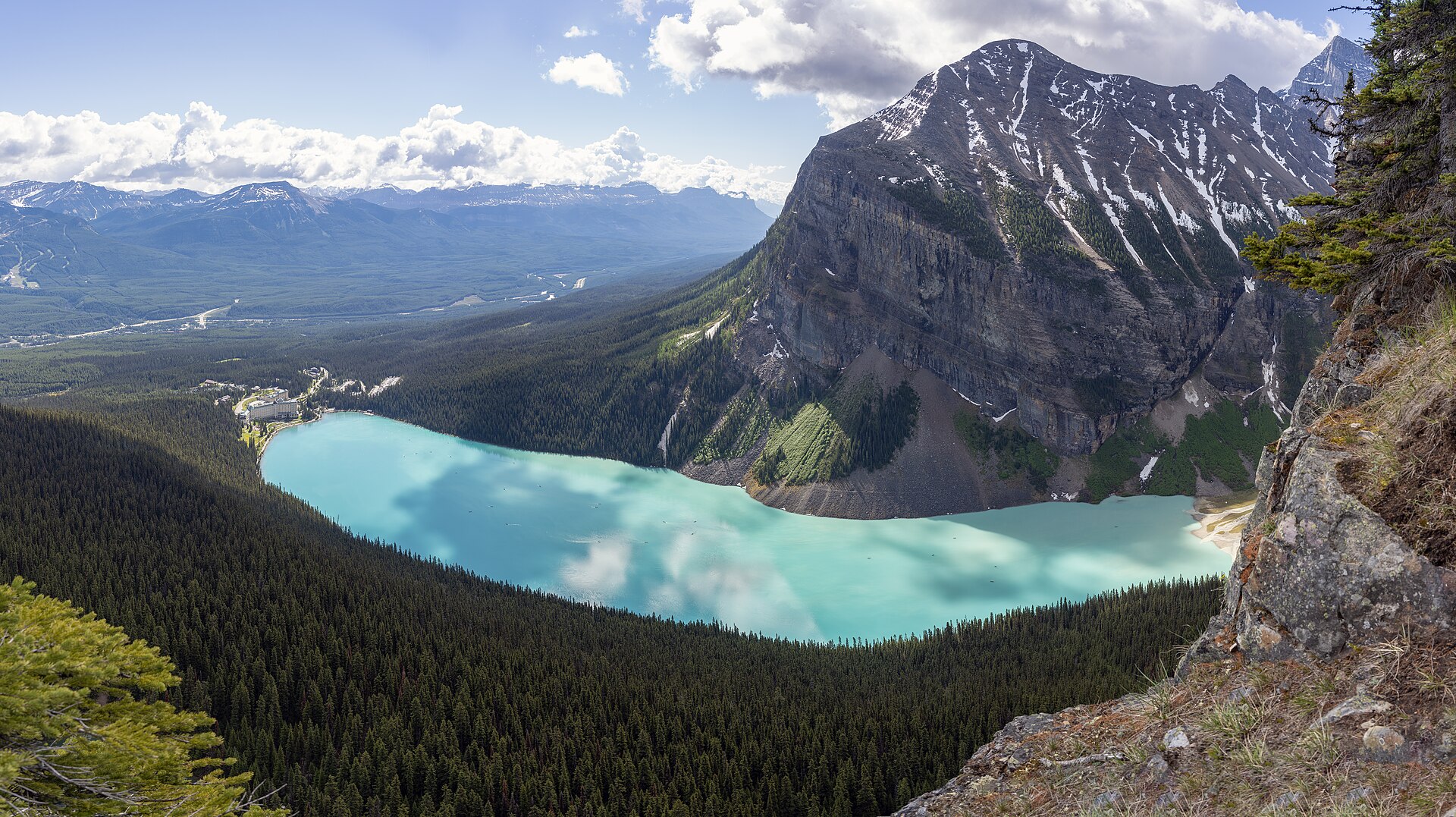
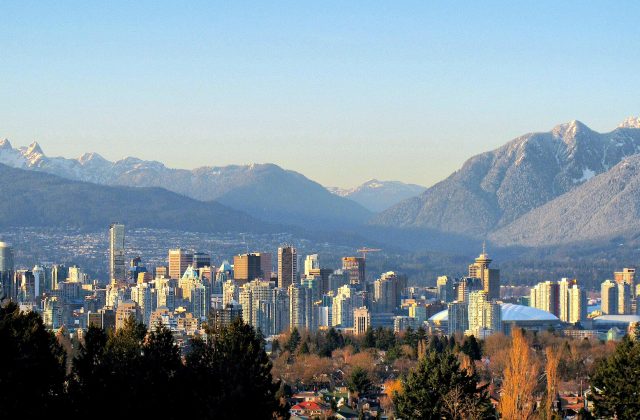
The Rockies, Toronto and Vancouver, and vast national parks.

Canada is the second-largest country in the world by area, and the distances are the single most common planning error visitors make. Toronto to Vancouver is roughly the width of Europe; the Rockies and the Atlantic provinces are not a single trip unless you have weeks.
The realistic approach is to choose one region — the Rockies and the west coast, the Ontario and Quebec corridor, or the Atlantic provinces — and do it properly. Each has its own landscape, seasons and, in Quebec’s case, its own language and legal system.
Best Time to Visit
June to September is the main season nationwide: warm, long daylight, mountain roads and trails open, and the national parks fully operational. July and August are the busiest, and accommodation in Banff and Jasper needs booking months ahead.
September and early October are excellent: fewer people, autumn colour across Ontario, Quebec and the Maritimes, and stable weather.
Winter is a destination in its own right rather than a season to avoid: skiing in the Rockies and Quebec, the Northern Lights in the territories and northern provinces, Quebec City's winter carnival and ice hotels. It is also genuinely cold, with prolonged sub-zero temperatures across most of the country.
Spring is the weakest window in much of Canada: mud, meltwater, and mountain trails still under snow into June at altitude.
Weather & Climate
Canada spans six time zones and several climate regions. The interior — the Prairies, Ontario and Quebec away from the coast — has a continental climate with hot summers and severe winters. The Pacific coast around Vancouver and Victoria is temperate and rainy with mild winters and little snow at sea level. The Atlantic provinces are maritime, cooler and foggier. The north is subarctic and arctic.
Two practical implications. First, the ski season in the Rockies runs roughly from late November into April, and high alpine hiking often does not open until July because of snowpack. Second, wildfire smoke has become a recurring summer factor in the west and the interior, affecting air quality and sometimes visibility and road access.
Map
Map data © OpenStreetMap contributors
Top Cities
Entry & Visa Guidance
Canada divides visitors into two groups: those who need a visitor visa and those who are visa-exempt and instead need an Electronic Travel Authorization (eTA). The eTA applies to visa-exempt foreign nationals who fly to or transit through a Canadian airport; it is applied for online through the Government of Canada's own site, and the official process requires only a passport, a payment card and an email address.
The distinction that catches people out is the mode of arrival: the eTA requirement is tied to air travel and airport transit, so arrivals by land or sea are treated differently. Check the official Government of Canada pages for your own nationality and route rather than relying on a third-party summary.
Beware commercial sites that resemble the official application and charge a markup — the genuine service is on canada.ca. Travellers with a past criminal record, including a drink-driving conviction, may be found inadmissible regardless of visa status, which is worth checking well before travel.
Getting There & Around
Domestic flights do the long distances; the country is too large for anything else on a short trip. Rail exists but is not a practical network: VIA Rail's transcontinental service is an experience rather than transport, though the Toronto to Montreal and Toronto to Ottawa corridor is genuinely useful.
A car is close to essential for the Rockies, the Atlantic provinces and anywhere outside the major cities. Distances between fuel stations can be long in the north and the Prairies. Winter driving requires proper tyres, and some routes — notably in British Columbia — legally require winter tyres or chains in the cold months.
Cities have good transit: Toronto, Montreal and Vancouver all have metro or SkyTrain systems with contactless or card-based fares. Intercity buses cover many routes that lost rail service.
Approximate Travel Budget
Canada is a moderately expensive country, comparable with western Europe. Accommodation in Banff, Jasper, Whistler and Vancouver in peak season is the largest cost, and national park entry is charged per person per day, with an annual pass that pays for itself quickly on a longer trip.
Two things inflate the bill beyond the listed price. Sales taxes are added at the till rather than shown on the shelf, and they vary by province. Tipping is expected in restaurants, bars and taxis at a rate similar to the United States, and card terminals prompt for it.
Savings: travel in September, use provincial and national park passes, self-cater in the mountains where restaurant options are limited and expensive, and book the popular park accommodation as early as it opens.
Local Customs & Culture
Canada is officially bilingual at the federal level, and Quebec operates in French with its own language legislation. In Montreal most people move between French and English easily; outside Montreal, French is the working language and opening in French is appreciated.
Indigenous peoples — First Nations, Inuit and Métis — are a living part of the country rather than a historical footnote, and land acknowledgements at the start of events are common. Visiting Indigenous-run cultural sites and museums is one of the more worthwhile things to do here.
Socially: politeness and queueing are taken seriously, tipping is expected, and cannabis is legal nationally but regulated by province, with rules on where it can be bought and consumed that differ across the country. Crossing the border with it remains illegal in both directions regardless.
Food
Canadian food is regional and immigrant-driven. Quebec has the strongest distinct tradition: poutine, tourtière, maple syrup and the sugar shacks in spring, and Montreal's bagels and smoked meat. The Atlantic provinces are about lobster, scallops and seafood chowder. The Prairies do beef and grain. British Columbia does Pacific salmon and one of the best Asian food scenes in North America, particularly Chinese and Japanese cooking in Vancouver and Richmond.
Toronto and Vancouver are among the most multicultural cities in the world and their food follows, with strong Caribbean, South Asian, Chinese, Korean, Ethiopian and Filipino communities.
Practical notes: portions are large, tap water is safe and free, and alcohol sales are regulated provincially, so where and when you can buy wine or beer varies considerably from one province to the next.
Safety & Travel Advice
Canada is a safe country with low violent crime. The risks that matter are environmental and seasonal.
In the backcountry, wildlife is a genuine consideration: bear safety practices — food storage, noise on trails, carrying and knowing how to use bear spray — are standard in the Rockies and are taken seriously by park staff. Follow posted trail closures.
Winter cold can be dangerous quickly, particularly with wind chill; dress in layers and take vehicle preparation seriously on rural roads. Summer wildfires close highways and parks at short notice in the west — check provincial road and fire information before setting out.
Healthcare is not free for visitors and costs are high, so travel insurance with medical cover is important rather than optional.
Useful Phrases
English and French are both official. In Quebec, opening in French matters.
Bonjour - hello; the standard greeting in Quebec, including in shops.
Merci - thank you. S'il vous plait - please. Excusez-moi - excuse me.
L'addition, s'il vous plait - the bill, please.
Parlez-vous anglais - do you speak English.
Canadian English terms worth knowing:
Toque - a knit winter hat. Double-double - coffee with two creams and two sugars.
Loonie and toonie - the one and two dollar coins.
Washroom - the usual word for toilet. Chesterfield - an older term for a sofa.
Official Sources
Visa, entry, and safety information changes. Always verify with the official sources below before you travel.