
Toronto
Overview
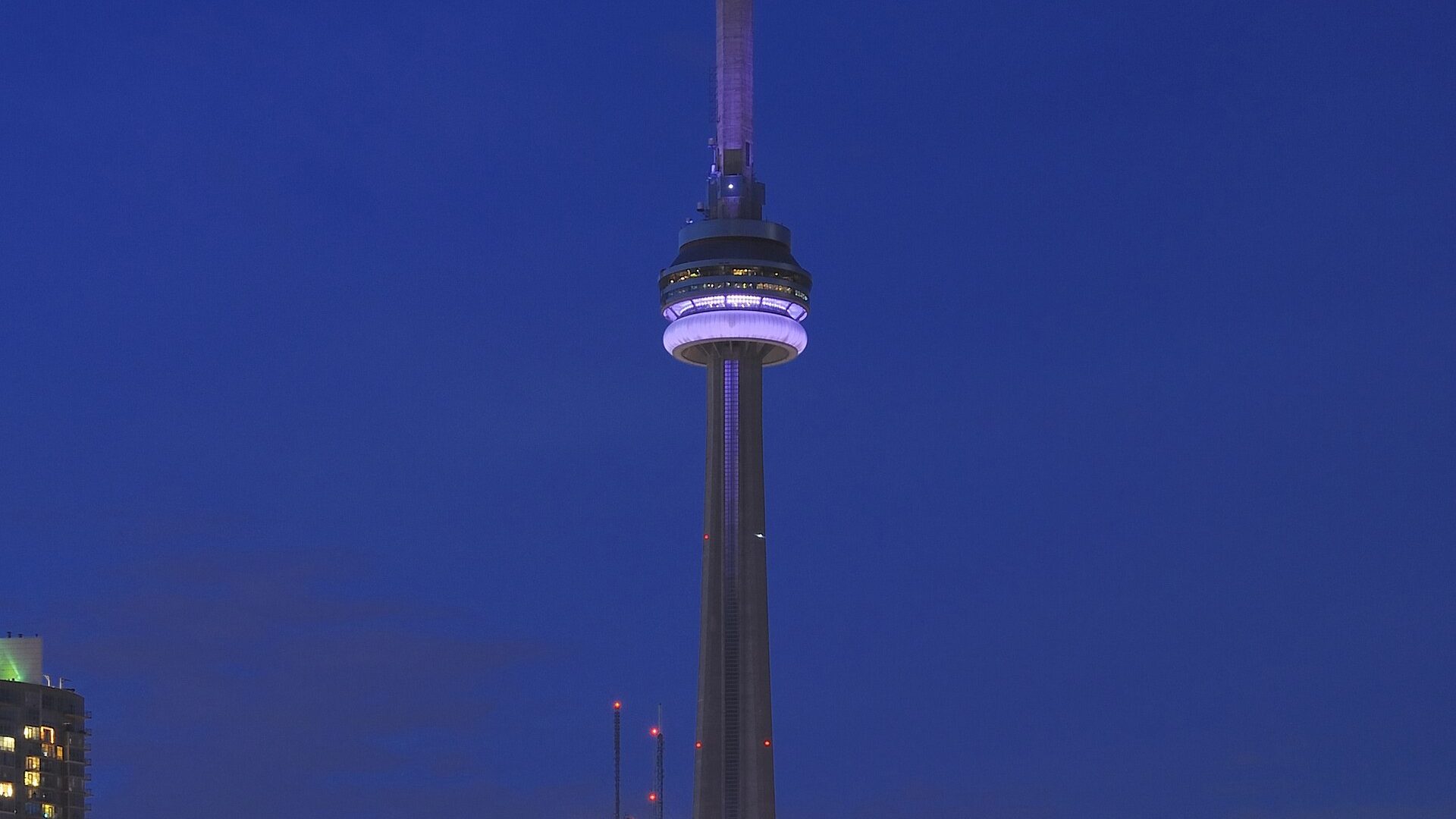
Toronto spreads along the northern shore of Lake Ontario, laid out on a grid of long avenues running north from the water. The downtown core holds the financial district, the CN Tower and the waterfront; north and west of it, a ring of neighbourhoods (Kensington Market, Little Italy, Chinatown, Greektown, Little India) each retain a distinct main street.
Roughly half the population was born outside Canada, and that is the city's defining fact. It shows in the food, the festivals and the number of languages heard on a single subway carriage, and it is the reason Toronto is more interesting at street level than its skyline suggests.
Why Visit
Toronto offers a genuine cross-section of world cooking within a few subway stops, alongside major institutions (the Royal Ontario Museum, the Art Gallery of Ontario) and a lakefront with islands you can reach by ferry in fifteen minutes.
It is also within easy reach of Niagara Falls and Ontario wine country, which makes it a practical base for a first visit to eastern Canada.
Best Things to Do
- The Toronto Islands. A short ferry from the downtown terminal to car-free islands with beaches, a boardwalk and the best view back at the skyline.
- The CN Tower. The observation decks, the glass floor and the EdgeWalk for those who want to be harnessed to the outside of it.
- The Royal Ontario Museum. Natural history and world cultures behind a crystalline extension that divides opinion.
- The Art Gallery of Ontario. Remodelled by Frank Gehry, who grew up nearby, with a strong Canadian and Indigenous collection.
- Kensington Market. A few blocks of vintage shops, produce stalls and food from everywhere, pedestrianised on some summer Sundays.
- The Distillery District. Victorian industrial buildings, now pedestrian-only, with galleries, cafés and a winter market.
- St Lawrence Market. A long-running food market south-east of downtown, best on a Saturday morning.
Map
Map data © OpenStreetMap contributors
Best Time to Visit
May to October is the comfortable range. June and September are the sweet spots: warm without the humidity that settles over July and August.
September also brings the Toronto International Film Festival, which fills the city.
December to March is properly cold, with snow and wind off the lake, though the underground PATH network lets you cross much of downtown without going outside. April and November are grey and changeable but cheap.
Where to Stay
Downtown, around the financial district and Queen West, is the most convenient for transport and sights, if not the most characterful.
Queen West and Trinity Bellwoods are where the independent shops, galleries and restaurants are, a short streetcar ride from the centre.
The Annex, near the university, is residential, leafy and on the subway.
The Distillery District and Corktown are quieter and walkable to downtown. Yorkville is the upmarket choice, near the ROM.
Neighborhoods
Downtown and the Financial District: towers, Union Station, the PATH and the waterfront.
Queen West and West Queen West: galleries, independent fashion, bars and Trinity Bellwoods park.
Kensington Market and Chinatown: adjoining, informal, and the densest cheap eating in the city.
The Annex: Victorian houses, the university, bookshops and Bloor Street.
The Danforth: Greektown, east of the Don Valley, along the subway line.
Leslieville and the Beaches: east end, cafés and a lakefront boardwalk.
The Distillery District: pedestrianised Victorian industrial buildings south-east of downtown.
Transportation & Airports
The TTC runs subway, streetcars and buses on one fare, paid with a Presto card or contactless. Two subway lines do most of the work, with streetcars covering the east–west main streets that the subway misses.
Pearson Airport is connected to Union Station by the UP Express train in about twenty-five minutes. Billy Bishop, on the island, is walking distance from downtown via a tunnel.
Union Station is the hub for GO regional trains and for VIA Rail services to Montreal and Ottawa. Downtown is walkable, and the underground PATH network is genuinely useful in winter.
Food
Toronto's food is its neighbourhoods. Chinatown along Spadina, Greektown on the Danforth, Little India on Gerrard, Little Italy on College, Portuguese and Brazilian along Dundas West, Caribbean in Little Jamaica and Scarborough.
Two local specialities: peameal bacon sandwiches, associated with St Lawrence Market, and Jamaican patties, sold everywhere including in subway stations.
Poutine and butter tarts are Canadian rather than Toronto-specific but are easy to find. Scarborough and Markham, out in the suburbs, have some of the best Chinese and South Asian food in North America and are worth the trip on the subway and bus.
Day Trips
Niagara Falls is about ninety minutes away and reachable by GO train and bus in season or by coach year-round. The falls are genuinely impressive; the town around them is not, so plan the day around the gorge rather than the strip.
Niagara-on-the-Lake, nearby, is a preserved nineteenth-century town at the centre of Ontario wine country, with the Shaw Festival theatre.
The Toronto Islands barely count as a trip, fifteen minutes by ferry, but change the day completely.
Elora and the Grand River, west of the city, offer a gorge, a mill town and quiet walking; Prince Edward County, further east, is a longer drive for beaches and wineries.
Budget
Toronto is expensive for accommodation and moderate for most other things. Food is where value lies: the neighbourhood restaurants, food courts and markets serve excellent meals at low cost, and the suburban Asian food is cheaper still.
A TTC day pass is good value, and the UP Express from the airport is far cheaper than a taxi. Many of the best experiences cost nothing: the islands ferry is inexpensive, the waterfront trail, Trinity Bellwoods, High Park and the neighbourhood main streets are free, and the AGO has free evening hours on some days.
Travel Tips
Use Presto or contactless on the TTC. Paper tickets and cash are more expensive and more awkward.
Take the UP Express from Pearson. Twenty-five minutes to Union, at a fraction of taxi cost.
Winter means wind chill. The temperature on the lakefront is noticeably harsher than the forecast; the PATH exists for a reason.
Go beyond downtown. The city's real character is on the neighbourhood main streets, most of which are on a streetcar or subway line.
Book Niagara as a full day. With travel each way it does not combine well with anything else.
Other Cities in Canada
Frequently Asked Questions
How many days do I need in Toronto
Three days cover downtown, the islands, a museum and two or three neighbourhoods. A fourth allows Niagara Falls.
Is the CN Tower worth it
For a first visit, yes, on a clear day. The island ferry gives a better view of the skyline itself for a fraction of the price.
Do I need a car
No. The TTC, GO trains and walking cover the city and most day trips. Traffic and parking downtown are both difficult.
Is winter a bad time to visit
It is cold and grey, but museums, markets, food and the underground PATH all work well, and prices are lower than in summer.
Plan your trip to Toronto
Free tools for flight times, time differences, budget, money and plugs.
- Flight Duration CalculatorWork out real flight time across time zones.
- Time Zone ConverterFind the time in another city instantly.
- Trip Budget CalculatorEstimate your total trip cost, item by item.
- Currency ConverterConvert prices between currencies at indicative rates.
- Travel Plug & Voltage CheckerCheck if you need a plug adapter or voltage converter.
- Jet Lag CalculatorEstimate how many days you need to beat jet lag.