🇧🇬 Bulgaria
Rila Monastery, Roman Plovdiv, the medieval capital Veliko Tarnovo, Black Sea beaches and ski resorts at good-value prices.
Bulgaria rewards travellers who look beyond its beach resorts. Sofia is a compact capital with Roman ruins under its streets; Plovdiv is one of Europe’s oldest continuously inhabited cities; Veliko Tarnovo sits on a gorge below its medieval fortress; and Rila Monastery is the country’s spiritual landmark. Since 2025 Bulgaria is fully in the Schengen area, and since 1 January 2026 it uses the euro.
Best Time to Visit
May–June and September are the best months for cities, mountains and monasteries. July–August is beach season on the Black Sea, when coastal resorts are busiest. Late May to early June is rose-harvest time in the Rose Valley around Kazanlak. December to March is ski season in Bansko, Borovets and Pamporovo.
Weather & Climate
Bulgaria has a continental climate with hot summers and cold winters, moderated on the Black Sea coast. Mountains such as Rila and Pirin are cool in summer and snowy in winter, with sudden storms on summer afternoons. Sofia sits at about 550 m, so it is cooler than the plains.
Map
Map data © OpenStreetMap contributors
Explore More in the Region

Albania
Ionian beaches, Ottoman hill towns and wild mountains on the Adriatic

Austria
Vienna's imperial grandeur and the Alps just beyond the city.

Belgium
Belfries, beer halls and art nouveau in a small country built for train travel

Bosnia and Herzegovina
Ottoman bazaars and Austro-Hungarian avenues in Sarajevo, the rebuilt bridge of Mostar, turquoise rivers and mountains…

Croatia
Roman palaces, walled towns and a thousand islands on the Adriatic
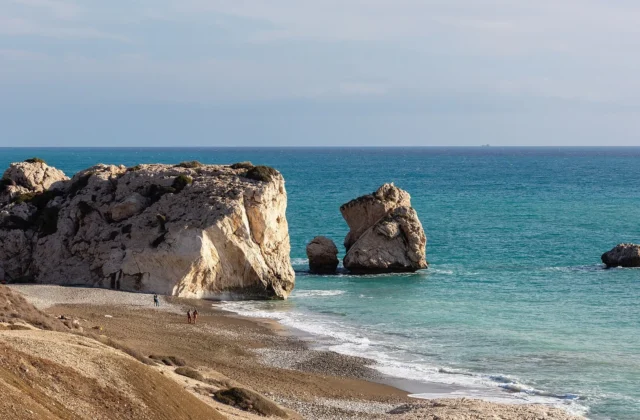
Cyprus
Long sunny seasons, mosaics and tombs at Paphos, painted mountain churches in Troodos and a divided…
Entry & Visa Guidance
Bulgaria became a full member of the Schengen area in January 2025, so standard Schengen rules apply: many non-EU nationalities can visit visa-free for up to 90 days in any 180-day period, and others need a Schengen visa. EU citizens can travel with an ID card. Check the rules for your nationality before travel.
Getting There & Around
Buses are usually faster and more frequent than trains between major cities, although some rail lines are scenic and cheap. Sofia has a metro that links the airport with the city centre. Renting a car makes Rila Monastery, the Seven Rila Lakes and smaller villages much easier. Taxis should be metered; use reputable companies or apps.
Approximate Travel Budget
Bulgaria remains one of the most affordable countries in the EU for food, transport and accommodation, especially outside Sofia and the peak beach season. Prices are now shown in euros. Plan with the Trip Budget Calculator.
Local Customs & Culture
In Bulgaria a nod of the head traditionally means "no" and a shake means "yes"; many people in tourist areas adapt, so confirm verbally. Dress modestly in monasteries and churches. Bulgarians celebrate name days as much as birthdays, and Baba Marta on 1 March is marked with red-and-white martenitsi bracelets.
Food
Try shopska salata (tomato, cucumber and white cheese), banitsa (filo pastry with cheese), tarator (cold yoghurt and cucumber soup), grilled kebapche and Bulgarian yoghurt. Mavrud and Melnik are local red grape varieties worth tasting.
Safety & Travel Advice
Bulgaria is generally safe. Watch for pickpockets in busy areas and overpriced taxis at airports and stations. In mountains, weather can change quickly; check conditions with the Mountain Rescue Service and stick to marked trails. On the coast, swim only on beaches with lifeguards: currents can be strong.
Useful Phrases
Bulgarian uses the Cyrillic alphabet; English is common in cities among younger people.
Zdraveyte - hello.
Blagodarya - thank you.
Molya - please.
Da / Ne - yes / no (watch the head gestures).
Official Sources
Visa, entry, and safety information changes. Always verify with the official sources below before you travel.
Plan your trip to Bulgaria
Free tools for flight times, time differences, budget, money and plugs.
- Flight Duration CalculatorWork out real flight time across time zones.
- Time Zone ConverterFind the time in another city instantly.
- Trip Budget CalculatorEstimate your total trip cost, item by item.
- Currency ConverterConvert prices between currencies at indicative rates.
- Travel Plug & Voltage CheckerCheck if you need a plug adapter or voltage converter.
- Jet Lag CalculatorEstimate how many days you need to beat jet lag.