
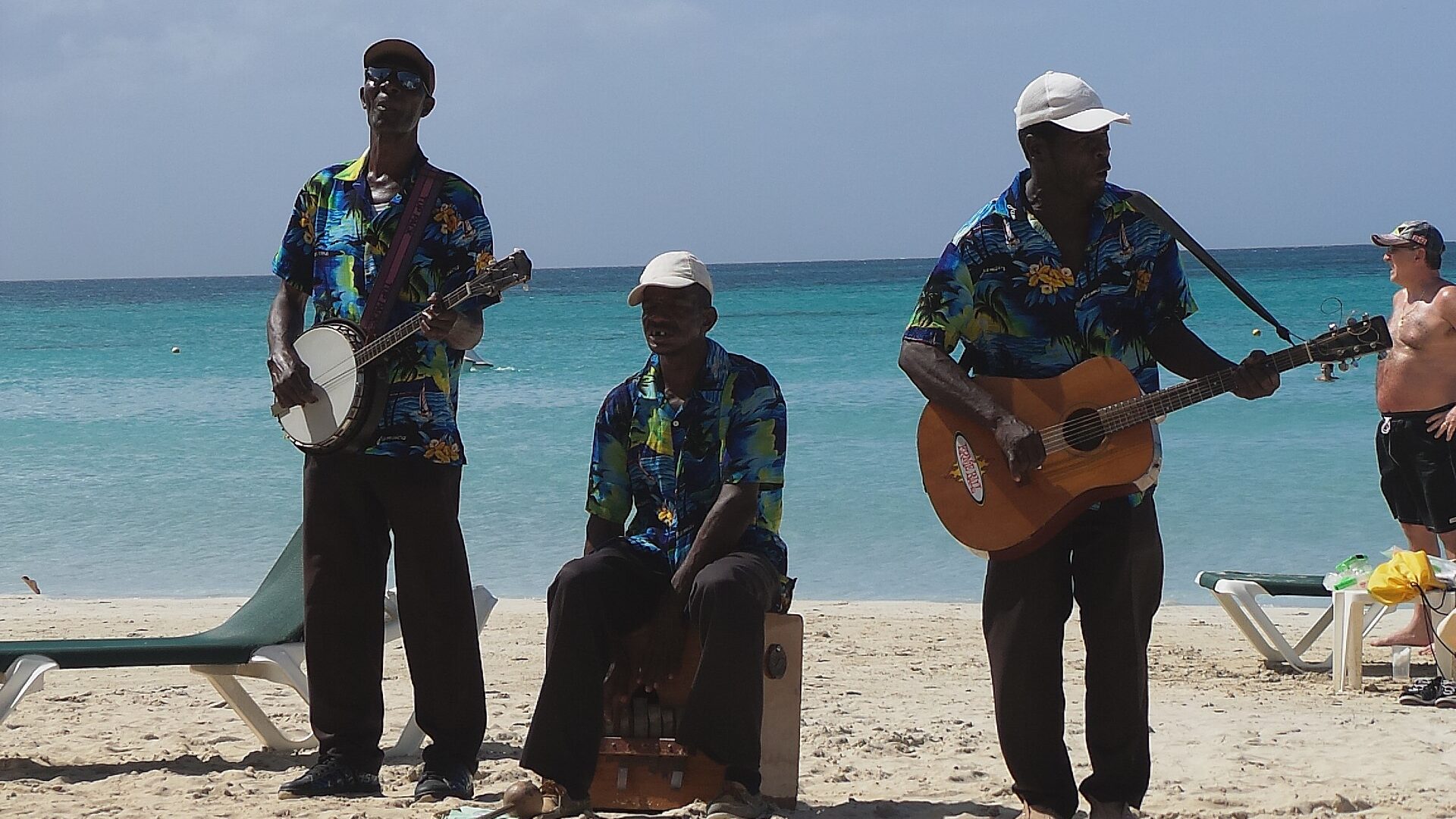
🇯🇲 Jamaica
Reggae culture, waterfalls, and classic Caribbean beaches.
Jamaica is bigger and more varied than the resort strips suggest. The north coast around Montego Bay, Ocho Rios and Negril is where most package tourism lands; the Blue Mountains behind Kingston rise above 2,200 metres, and the eastern parish of Portland is lush, wet and barely developed.
It is also a country with cultural weight out of all proportion to its size: reggae, dancehall, Rastafari and a distinct Patois language, all of which are living rather than heritage.
Best Time to Visit
Mid-December to April is the dry season and the peak: hot, sunny, low humidity, highest prices, and cruise ships in port on the north coast.
May and June, and November, are good shoulder months: fewer visitors, lower rates, and rain in short bursts rather than all day.
The Atlantic hurricane season runs 1 June to 30 November, with peak activity from August to October. That period is the cheapest and the wettest; storms are forecast well ahead, and insurance covering weather disruption is worth having.
Two dates worth knowing: Reggae Sumfest in Montego Bay in July, and Carnival in the spring.
Weather & Climate
Jamaica is tropical maritime: hot and humid at sea level year-round, moderated by sea breezes on the coast.
Altitude changes everything. The Blue Mountains are noticeably cooler and can be genuinely cold and wet at the summit, where the famous coffee is grown; hikers regularly underestimate it.
Rainfall is very unevenly distributed. The northeast, Portland and the John Crow Mountains, is among the wettest parts of the Caribbean, while the south coast around Treasure Beach is dry and almost scrubby. Two rainier periods fall broadly in May and in October.
Map
Map data © OpenStreetMap contributors
Explore More in the Region

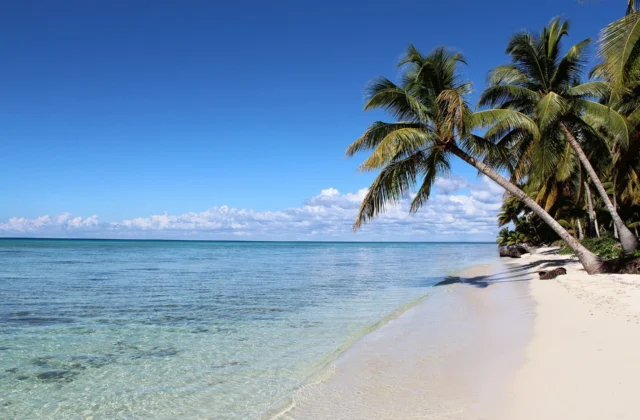
Entry & Visa Guidance
UK Foreign Office guidance states that no visa is needed to visit Jamaica and that visitors are usually granted entry for up to 90 days.
The passport must be valid for the duration of the visit and have two blank pages for entry and exit stamps.
Travellers are advised to complete the Immigration and Customs Form C5 online before arrival where possible, which shortens the queue at the airport considerably.
Proof of yellow fever vaccination is required if arriving from a country listed as a transmission risk. Confirm your own nationality's position with the Jamaican immigration authority before booking.
Getting There & Around
The north coast highway is good and fast, and the toll road between Kingston and Ocho Rios has cut that crossing substantially. Roads elsewhere, particularly in the mountains and the east, are narrow, potholed and unlit at night.
Hire cars are available and driving is on the left. It is worth being honest about whether you want to: local driving is assertive, overtaking is enthusiastic, and goats and pedestrians share the carriageway. Many visitors use drivers instead.
Route taxis: shared cars running fixed routes, usually red-plate licensed, are the local way to move and are very cheap. Unlicensed white-plate taxis are best avoided. Agree the fare before setting off in any taxi.
The Knutsford Express coach service links the main towns comfortably and reliably and is the easiest option for visitors without a car. Domestic flights connect Kingston and Montego Bay.
Approximate Travel Budget
Jamaica splits sharply between the all-inclusive resort economy and everything else. Inside a resort, the daily cost is high and fixed; outside it, food, transport and guesthouses are inexpensive.
Where money goes: all-inclusive rates in high season, organised excursions booked through hotels rather than locally, and airport transfers on the long Montego Bay to Negril or Ocho Rios runs.
What keeps it down: jerk from a roadside pan rather than a hotel restaurant; route taxis and the Knutsford Express; guesthouses in Treasure Beach, Port Antonio or the Blue Mountains, which are a fraction of north-coast resort prices and a much better sense of the country.
Tipping is expected in restaurants and often already added as a service charge on resort bills.
Local Customs & Culture
Jamaicans are direct, funny and quick to engage, and a greeting is expected before a question, walking up and asking for directions without a good morning reads as rude.
Patois is the everyday spoken language alongside English. It is a language rather than broken English, and attempting it badly as a visitor is best avoided; understanding a few phrases is useful.
Religion is prominent and Sunday is observed widely. Rastafari is a religion, not a style: dreadlocks, Bob Marley imagery and ital food are part of a faith, and treating them as costume causes genuine offence.
Ask before photographing people. Modest dress is appreciated away from the beach, and swimwear in town is out of place.
Food
Jamaican food is one of the great cuisines of the Caribbean. Jerk is the signature (pork or chicken rubbed with pimento, scotch bonnet and thyme and smoked slowly over pimento wood) and the roadside pans in Boston Bay in Portland are its home.
The national dish is ackee and saltfish, eaten at breakfast with fried dumplings or bammy. Other staples: curry goat, oxtail, escovitch fish, run down, patties from a bakery, and rice and peas cooked in coconut milk.
Ital food is the Rastafari vegetarian tradition, salt-free and plant-based, and widely available. Blue Mountain coffee is grown above Kingston and is a protected designation. Sorrel at Christmas and freshly cut jelly coconut are both worth seeking.
Scotch bonnet heat is real; ask if you are unsure. Tap water is generally treated and safe in developed areas.
Safety & Travel Advice
Jamaica has a high homicide rate by international standards, but the violence is overwhelmingly concentrated in specific inner-city areas of Kingston, Montego Bay and Spanish Town and is not directed at tourists. Most visits are trouble-free. Read your own government's current advice, which names the specific areas advised against, and follow it. The guidance is geographically precise for a reason.
Practical habits: use licensed red-plate or hotel taxis after dark, avoid walking alone at night including on resort beaches, do not display cash or jewellery, and use hotel safes.
Persistent informal selling and offers of drugs are common on Negril's beach and in tourist areas. A firm, friendly refusal and continuing to walk is the local response. Note that cannabis is decriminalised in small amounts for personal use but not legal to export, and buying on the street carries risk.
In the sea, watch for rip currents and heed local advice; many beaches have no lifeguards.
Useful Phrases
English is the official language; Jamaican Patois is the everyday spoken language.
Wah gwaan - what's going on, a common greeting. Reply: mi deh yah.
Likkle more - see you later.
Soon come - I'll be there shortly, in a flexible sense.
Big up - respect, praise.
Irie - all good, fine.
Yaad - yard, home.
Wa'appen - what's happening.
Nuh true - isn't that so.
Bredren / sistren - friend, brother or sister.
Note that a greeting comes first in any exchange; asking a question cold is considered impolite.
Official Sources
Visa, entry, and safety information changes. Always verify with the official sources below before you travel.
Plan your trip to Jamaica
Free tools for flight times, time differences, budget, money and plugs.
- Flight Duration CalculatorWork out real flight time across time zones.
- Time Zone ConverterFind the time in another city instantly.
- Trip Budget CalculatorEstimate your total trip cost, item by item.
- Currency ConverterConvert prices between currencies at indicative rates.
- Travel Plug & Voltage CheckerCheck if you need a plug adapter or voltage converter.
- Jet Lag CalculatorEstimate how many days you need to beat jet lag.