

🇹🇳 Tunisia
Mediterranean beaches, Roman ruins, and Sahara dunes.
Tunisia packs Roman ruins, Mediterranean beaches and Sahara dunes into a country small enough to cross by car in a day.
Best Time to Visit
Spring (March to May) and autumn (September to November) bring mild, dry weather that suits both the coast and the desert. Summer is hot along the coast and extreme inland; winter is mild but rainier in the north.
Weather & Climate
A Mediterranean climate on the coast gives way to arid, desert conditions further south, so temperature and rainfall vary sharply depending on where you are in the country.
Map
Map data © OpenStreetMap contributors
Explore More in the Region

Egypt
Millennia of history along the Nile: pyramids, temples, and the Red Sea coast.
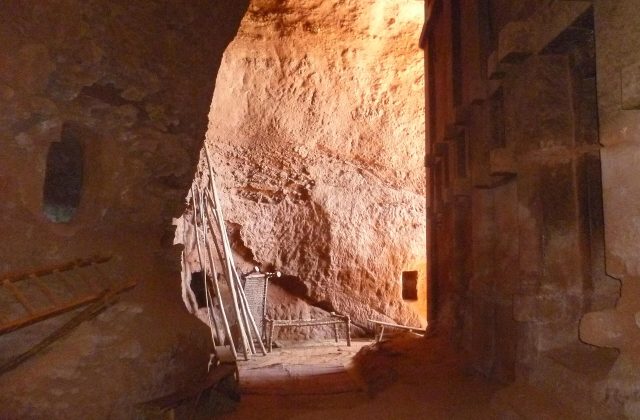
Ethiopia
Rock-hewn churches, ancient highlands, and the source of Ethiopian coffee.
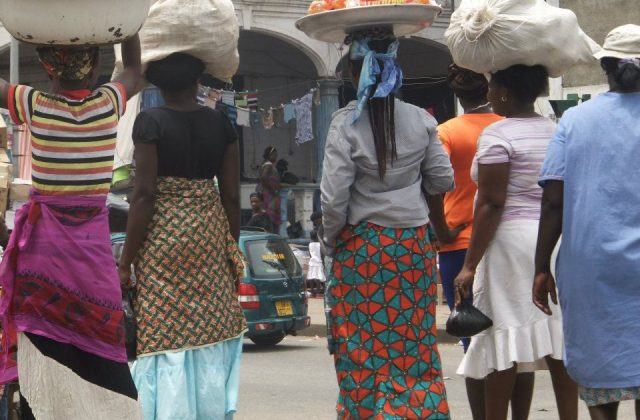
Ghana
West African coastline, history, and a warm welcome.

Kenya
The Maasai Mara, the Great Migration, and East Africa's classic safari country.
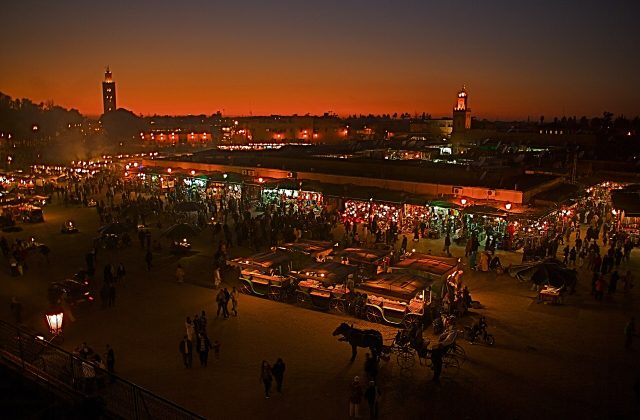
Morocco
Imperial cities, Atlas Mountain passes, and Sahara dunes, a compact country that rewards a well-planned week.
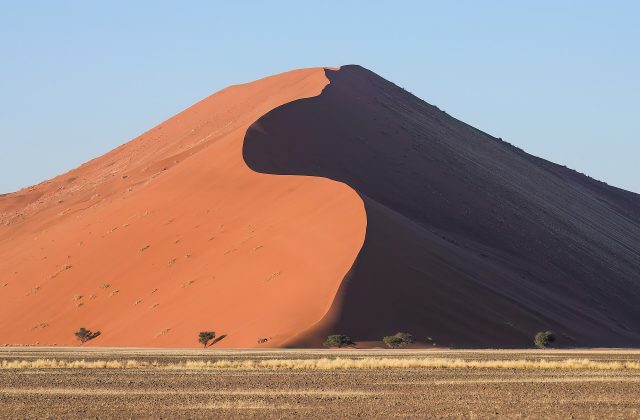
Namibia
The towering red dunes of Sossusvlei and vast desert wildlife.
Entry & Visa Guidance
Visa requirements depend on nationality. Confirm current rules with the Tunisian embassy or consulate serving your country before you book.
Getting There & Around
Louage shared taxis and an intercity train line connect the main coastal cities cheaply. Tunis has a light rail (TGM) and a tram network. Renting a car gives access to the desert south, where public transport is thin.
Approximate Travel Budget
Tunisia is inexpensive by European standards: street food, local transport and modest guesthouses cost a fraction of what similar options cost across the Mediterranean.
Local Customs & Culture
Tunisia is a Muslim-majority country with a generally relaxed dress code in tourist areas; modesty is appreciated at mosques and in smaller inland towns. Friday is the main day of prayer.
Food
Couscous, brik (a fried pastry usually filled with egg and tuna) and harissa-spiced dishes define the table, alongside strong mint tea served throughout the day.
Safety & Travel Advice
Check your government's current travel advisory before booking, particularly for areas near the Libyan and Algerian borders. Tourist areas along the coast see regular visitors and a visible security presence.
