
🇹🇭 Thailand
Bangkok’s temples, southern islands, and famously good street food.
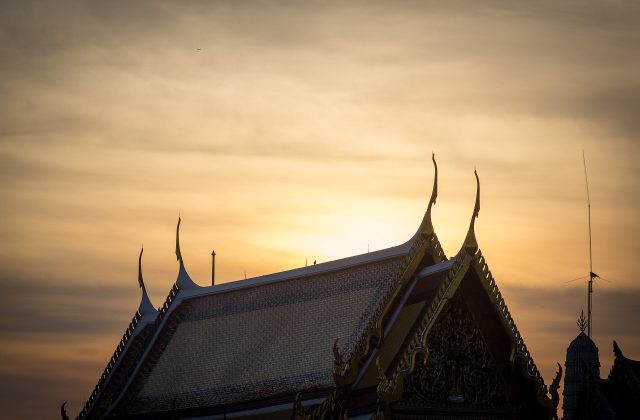
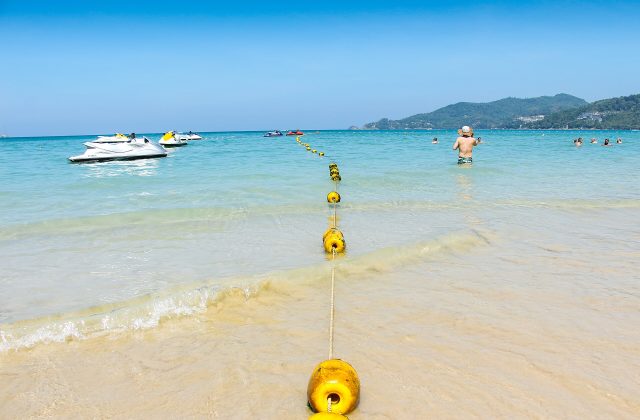
Thailand works as several different trips depending on which part you choose. Bangkok is a dense, modern capital built around a river; the north around Chiang Mai and Chiang Rai is mountainous, cooler and shaped by the Lanna kingdom rather than by Siam; the Andaman and Gulf coasts have limestone karst, reefs and very different weather from each other.
Tourism here is long-established and well organised, which makes it one of the easiest countries in Asia to travel independently, and also means the difference between the packaged version and the ordinary one is a matter of where you choose to go rather than how much you spend.
Best Time to Visit
November to February is the cool, dry season across most of the country and the general best time: comfortable temperatures, reliable sun, and the busiest and most expensive months as a result.
March to May is the hot season, with April the hottest month and the Songkran new year water festival in mid-April. June to October is the southwest monsoon: rain mostly as heavy afternoon downpours rather than continuous grey, with lower prices, fewer people and a much greener landscape.
The coasts do not share a season. The Andaman side — Phuket, Krabi, Ko Lanta — is driest roughly November to April. The Gulf side — Ko Samui, Ko Pha Ngan, Ko Tao — has its wettest period in October to December and is often fine in June and July, which makes it the sensible choice for a summer beach trip.
Weather & Climate
Thailand is tropical, with three recognised seasons rather than four: cool, hot and rainy. Humidity is high year-round and temperatures rarely drop far, except in the northern mountains where winter nights can be genuinely cold.
The rainy season is driven by the southwest monsoon and arrives at different times on the two coasts because of the mountain spine running down the peninsula. In the north, the burning season from roughly February to April brings poor air quality to Chiang Mai and the surrounding provinces, caused by agricultural fires; it is worth checking air quality readings if you are sensitive and travelling then.
Map
Map data © OpenStreetMap contributors
Top Cities
Popular Destinations
Entry & Visa Guidance
Many nationalities can enter Thailand for tourism without a visa for a limited period, with the length and eligibility set by nationality; others need a tourist visa obtained in advance. The terms have been changed several times in recent years, so confirm your own nationality against the Ministry of Foreign Affairs or your nearest Thai embassy before booking.
Separately from any visa, all non-Thai nationals entering Thailand by air, land or sea must complete the Thailand Digital Arrival Card (TDAC), an online form submitted within three days before arrival at the official government site, tdac.immigration.go.th. It replaced the old paper arrival card. The official service does not charge a fee: several commercial look-alike sites do, and should be avoided.
Passports are generally expected to have at least six months' validity. Overstaying carries a daily fine and can lead to a re-entry ban, so note the date stamped on entry rather than assuming the full period was granted.
Getting There & Around
Domestic flights are cheap and plentiful, and are how most people cover the long north-south distances. The State Railway runs overnight sleepers from Bangkok to Chiang Mai and to the south, which are comfortable and save a night's accommodation.
Long-distance buses and minivans reach everywhere the trains do not, and boats connect the islands, with the Andaman services reduced or suspended in rough weather during the monsoon.
Locally: metered taxis and ride-hailing apps in Bangkok, songthaews (converted pickups running fixed or negotiated routes) in most towns, and motorbike taxis everywhere. Scooter hire is widespread and is also the single largest cause of injury to visitors: a correct licence, a helmet and an insurance policy that actually covers motorbikes are all worth checking before you ride.
Approximate Travel Budget
Thailand remains inexpensive by international standards across most categories. Street food, local transport, guesthouses and domestic flights all cost little, and a mid-range hotel here compares with a budget one in Europe.
The spread is wide, though. The islands in high season, international-standard resorts, and organised tours and boat trips are priced for visitors and can cost several times the equivalent on the mainland. Alcohol is relatively expensive because of duty.
The reliable savings are eating where Thais eat, using public transport and metered taxis rather than tuk-tuks and pre-arranged transfers, and travelling in the green season, when island accommodation in particular drops sharply.
Local Customs & Culture
Thailand is a Buddhist country and the visible customs follow from that. Shoes come off before entering temple buildings and homes. Shoulders and knees should be covered at temples, for everyone. Never climb on or pose disrespectfully with Buddha images.
The head is considered the most sacred part of the body and the feet the least: do not touch an adult's head, and do not point your feet at people or at an image of the Buddha when sitting.
The wai — palms together, a slight bow — is the greeting; returning one offered to you is appreciated, though visitors are not expected to initiate it with service staff. Public anger and raised voices cause a loss of face on both sides and rarely achieve anything.
Thai law on insulting the monarchy is strict and is enforced against foreigners as well as citizens. Treat images of the king and royal family, including those on banknotes, with care.
Food
Thai cooking balances hot, sour, salty and sweet, and the regional versions are genuinely different. Central Thai food is the one most exported. Isaan food from the northeast is sharper and more herbal: som tam, larb, grilled meats and sticky rice. Northern Lanna cooking is milder and uses more pork and fresh herbs, with khao soi as its signature. Southern food is the hottest, with more coconut, turmeric and seafood.
Street stalls and market vendors are where most people eat, and a stall doing one dish with a queue is a better bet than a restaurant with a photo menu. Food courts in shopping centres serve the same food in air conditioning.
Spice levels are high, and mai phet means not spicy, though it is interpreted generously. Tap water is not drunk; bottled water and commercially produced ice are standard and safe.
Safety & Travel Advice
Thailand is generally safe for visitors, and violent crime against tourists is rare. The genuine risks are road traffic, water and scams.
Road safety is the serious one: Thailand has one of the highest road fatality rates in the world and motorbikes account for most of it. Wear a helmet, do not ride without the correct licence, and be aware that travel insurance commonly excludes motorbike injuries if you were not properly licensed.
In the sea, watch for rip currents and heed red flags; box jellyfish are present in some coastal waters, mainly in the Gulf. On land, the recurring scams involve gem shops, tailors, jet-ski damage claims and tuk-tuk drivers offering cheap tours that end at commission-paying shops.
Several southern border provinces near Malaysia are subject to long-standing government travel advisories; check your own government's current advice for the specific provinces before travelling there.
Useful Phrases
Thai is tonal, so the same syllable said at a different pitch is a different word. Attempts are welcomed rather than corrected.
Men end sentences with khrap, women with kha, which makes almost anything polite.
Sawasdee khrap / kha - hello.
Khop khun khrap / kha - thank you.
Mai pen rai - it's nothing, never mind; close to a national philosophy.
Tao rai - how much.
Aroi - delicious. Mai phet - not spicy. Phet nit noi - a little spicy.
Hong nam yu tee nai - where is the toilet.
Mai ao khrap / kha - I don't want it; useful for declining street sellers.
Official Sources
Visa, entry, and safety information changes. Always verify with the official sources below before you travel.