🇲🇦 Morocco
Imperial cities, Atlas Mountain passes, and Sahara dunes, a compact country that rewards a well-planned week.
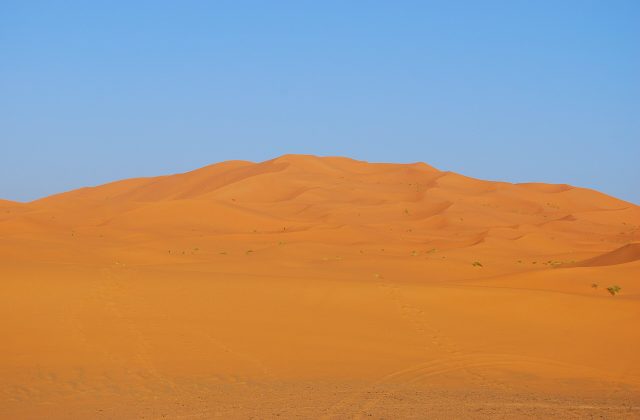
Morocco sits at the meeting point of Africa, Europe, and the Arab world: a country of imperial cities, Atlas Mountain passes, Atlantic and Mediterranean coastline, and the northern edge of the Sahara. Its four historic capitals (Marrakech, Fez, Meknes, and Rabat) each preserve a distinct architectural and cultural character, and short domestic distances make it realistic to combine mountains, desert, and coast in a single one- or two-week trip.
Best Time to Visit
March–May and September–November offer the most comfortable temperatures for both the cities and the desert. Summer (June–August) is very hot inland and in the Sahara; winter (December–February) is mild on the coast but cold at night in the mountains and desert.
Weather & Climate
Morocco's climate varies sharply by region: Mediterranean/Atlantic along the coast, semi-arid inland, and a true desert climate in the south and Sahara. Elevation matters: the Atlas Mountains can see snow in winter while the coast stays mild.
Map
Map data © OpenStreetMap contributors
Top Cities

Casablanca
Morocco's largest city and economic capital, home to the Hassan II Mosque.
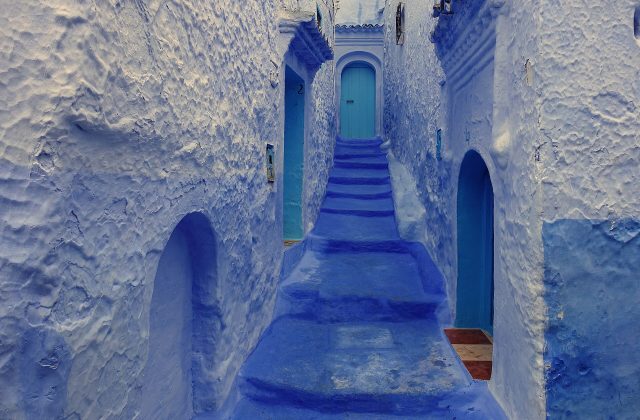
Chefchaouen
The famous "Blue City" tucked into the Rif Mountains.

Fes
The world's largest car-free urban area and Morocco's spiritual and cultural capital.

Marrakech
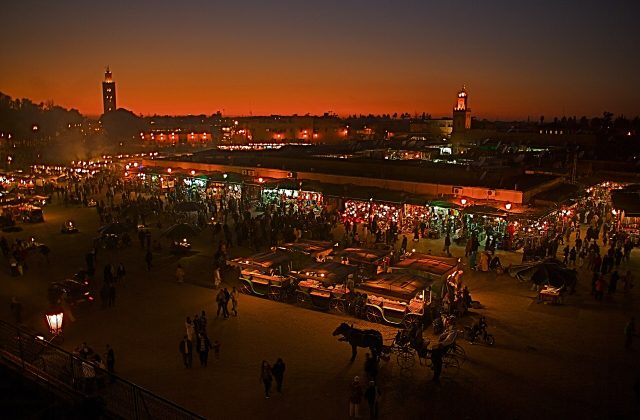
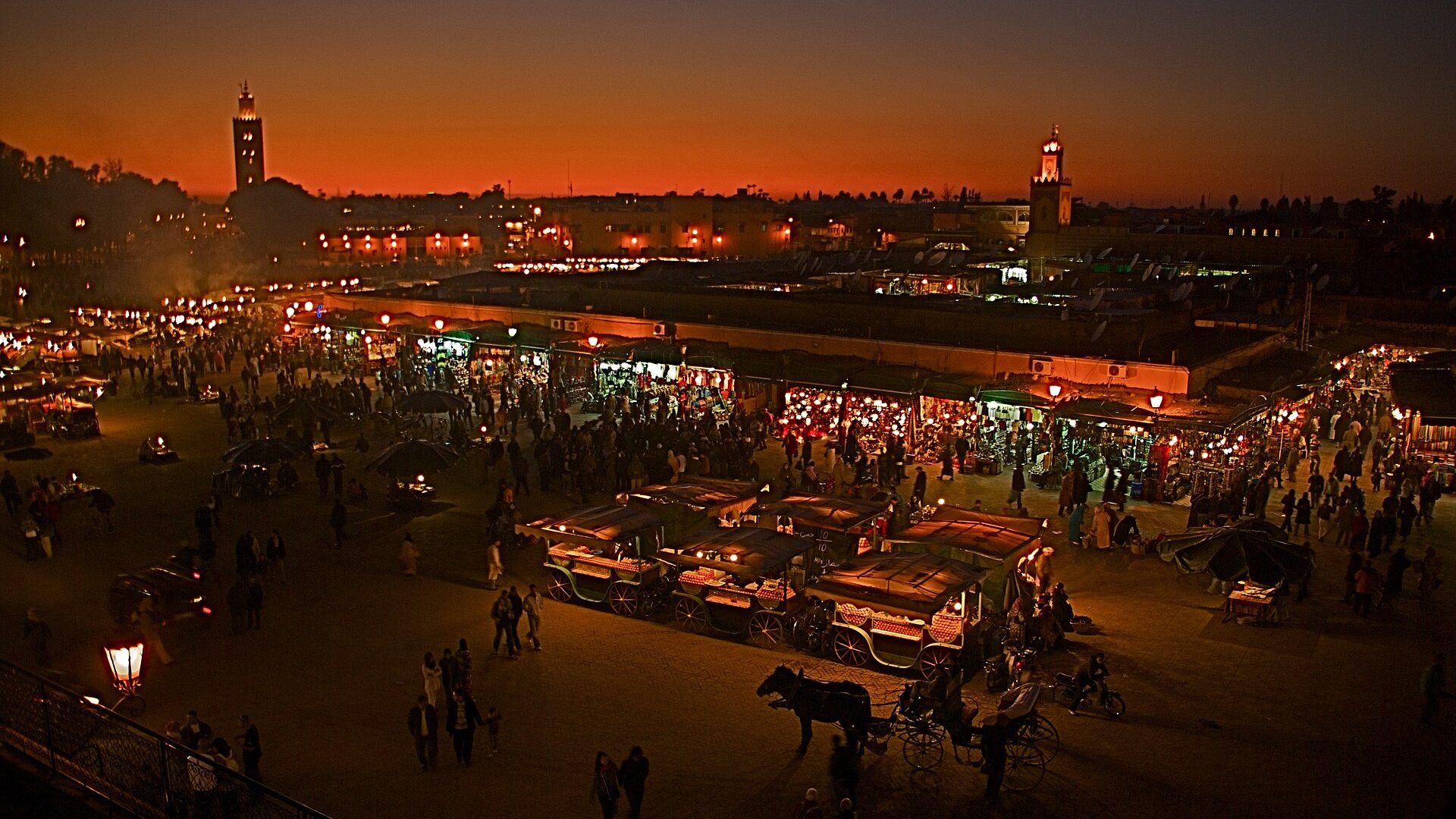
Morocco's red-walled former imperial capital, and the most common gateway to the Sahara.
Popular Destinations
Entry & Visa Guidance
Visa requirements depend on your nationality and change periodically. Check the requirement for your passport with an official Moroccan consulate or your own government's travel advisory service before booking.
Getting There & Around
Morocco's ONCF rail network connects Casablanca, Rabat, Fez, Marrakech, and Tangier efficiently, including a high-speed line (Al Boraq) between Tangier and Casablanca. CTM and Supratours operate long-distance buses to towns without rail service. Grand taxis and ride-hailing apps cover shorter or rural routes.
Main Airports
Major Airlines
Approximate Travel Budget
Budget travelers can get by on roughly $30–50/day (hostels, street food, buses). Mid-range travel (3-star hotels, some guided activities, taxis) runs $80–150/day. Riads and private guides push per-day costs higher. Prices shift with season and location; verify current rates before budgeting a full trip.
Local Customs & Culture
Morocco is a Muslim-majority country; dress modestly outside of resort/beach areas, particularly when visiting mosques (most of which are not open to non-Muslim visitors) or rural towns. Bargaining is expected in souks but not in fixed-price shops or restaurants. During Ramadan, many cafes and restaurants adjust their hours.
Food
Tagine (slow-cooked stew) and couscous are the best-known staples, alongside fresh-baked khobz bread, mint tea, and pastries like chebakia. Street food (msemen, snail soup, grilled meats) is widely available and generally very affordable in medina food stalls.
Safety & Travel Advice
Morocco is a popular and generally well-set-up destination for international travelers. As anywhere, take normal precautions against petty theft in busy medina areas. Check your own government's current travel advisory for Morocco before departure, since specific regional guidance can change.
Recommended Itineraries
Useful Phrases
Hello: Salam / Bonjour (French widely understood)
Thank you: Shukran / Merci
Please: Afak / S'il vous plaît
How much?: Bshhal? / C'est combien?
Yes / No: Naam or Iyeh / La
Frequently Asked Questions
Is Morocco good for a first trip to Africa?
Yes. It has strong transport infrastructure, a well-developed tourism industry, and a short flight time from Europe, making it a common first stop.
How many days do you need in Morocco?
7–10 days lets you combine one or two imperial cities with a Sahara excursion at a comfortable pace; 4–5 days is enough for Marrakech alone.
Official Sources
Visa, entry, and safety information changes. Always verify with the official sources below before you travel.