🇭🇷 Croatia
Roman palaces, walled towns and a thousand islands on the Adriatic
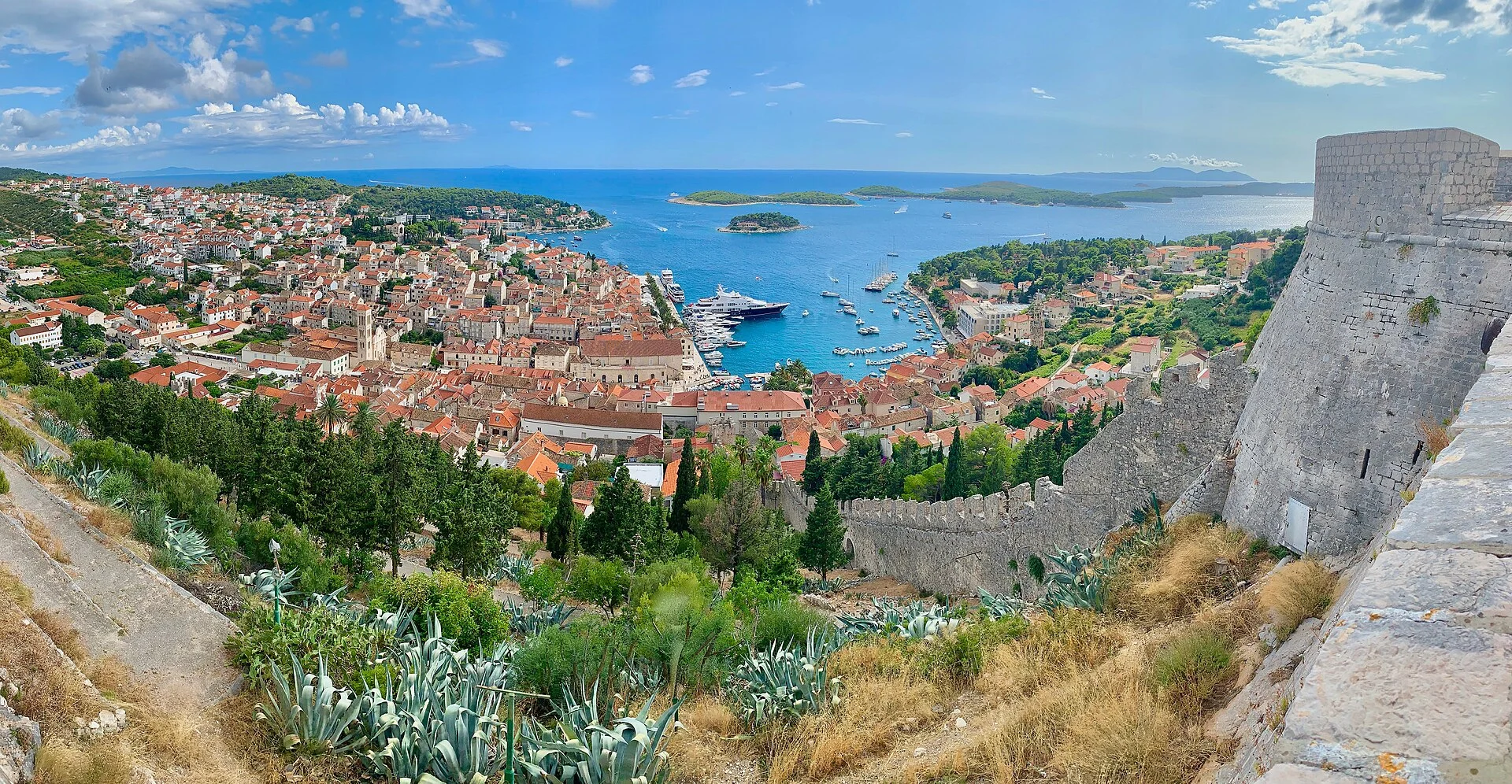
Croatia unrolls along the eastern Adriatic in a long ribbon of limestone, pine and clear water, with more than a thousand islands scattered offshore. Behind the coast lie lakes, karst mountains and a continental heartland centred on Zagreb, so a single trip can mix Roman stones, island ferries and quiet inland villages.
Best Time to Visit
For most travellers the sweet spot is May to June and September to early October. The sea is warm enough to swim from late spring, ferry timetables are close to their summer frequency, and the old towns are calmer than in high season.
July and August bring the hottest weather, the fullest ferries and the highest accommodation rates, especially in Dubrovnik, on Hvar and around Split. Book ahead if you must travel then, and plan sightseeing for early morning and evening.
From November to March the coast is quiet: many island hotels and restaurants close, ferry services are reduced, and the cold bura wind can sweep the northern Adriatic. It is, however, a good time for Zagreb, its Advent market and the inland spa and wine regions.
Weather & Climate
The coast and islands have a Mediterranean climate: long, dry, hot summers and mild, wetter winters. Inland, around Zagreb and Slavonia, the climate is continental, with warm summers and cold winters that can bring snow.
The mountains of Gorski Kotar and Lika, home to Plitvice Lakes, are cooler and wetter year-round. On the coast two winds shape the weather: the dry, gusty bura from the north-east, which can close bridges and suspend ferries, and the humid jugo from the south, which brings cloud and rough seas.
Map
Map data © OpenStreetMap contributors
Top Cities
Entry & Visa Guidance
Croatia is a member of the European Union and has been part of the Schengen Area since January 2023. EU, EEA and Swiss citizens can enter with a valid passport or national identity card.
Many other nationalities, including citizens of the UK, the US, Canada and Australia, can visit without a visa for up to 90 days in any 180-day period, counted across the whole Schengen Area. Travellers who need a visa apply for a Schengen visa through a Croatian embassy or consulate, or through the consulate of the Schengen country that is their main destination.
- EES: the EU Entry/Exit System has been operational at all Schengen external borders since 10 April 2026. Non-EU visitors on a short stay register their fingerprints and a facial image on first entry, instead of having their passport stamped.
- ETIAS: the planned travel authorisation for visa-exempt visitors is not yet in force. It is scheduled to start in the last quarter of 2026, with the exact date still to be confirmed.
- Passports: non-EU visitors' passports should generally have been issued within the last 10 years and remain valid for at least three months after the date you plan to leave the Schengen Area.
Side trips to Montenegro or Bosnia and Herzegovina take you out of the Schengen Area and back in again, with border checks each way. Confirm the current rules for your nationality with the official source before booking. Checked October 2026.
Getting There & Around
Buses are the backbone of travel along the coast, linking Zagreb, Zadar, Šibenik, Split and Dubrovnik with frequent services in summer. The rail network is limited: trains run from Zagreb to Split and to Rijeka, but there is no railway to Dubrovnik.
To reach the islands you will use ferries and catamarans. The state operator Jadrolinija runs car ferries and fast passenger lines, and private companies add further catamaran routes in season. Timetables are much thinner from autumn to spring, so check them before fixing island plans.
Driving gives the most freedom inland and on larger islands. Motorways are tolled, and Croatia is modernising its toll collection, so check the motorway operator's website for the current system before you set off. The Pelješac Bridge now lets drivers reach Dubrovnik from the north without crossing the short Bosnian coastal strip at Neum. Domestic flights connect Zagreb with Split and Dubrovnik.
Approximate Travel Budget
Croatia uses the euro, and costs vary sharply by place and season. Dubrovnik, Hvar and the most popular islands in July and August are among the priciest destinations on the Adriatic; inland towns, the north-east and the coast outside high season are noticeably cheaper.
- Save: travel in May, June or September, stay in private apartments (apartmani) slightly away from old towns, and eat lunch at a konoba or a bakery rather than on the main square.
- Plan for: entry tickets to city walls, national parks and museums, which add up quickly in peak season, and a local tourist tax that is usually added to accommodation bills.
Cards are widely accepted, but carry some cash for small island cafés, markets and parking machines.
Local Customs & Culture
Life on the coast moves at the pace of the café table. Coffee is a social ritual rather than a quick shot, and the Dalmatian idea of fjaka, a contented, sun-warmed idleness, is something to respect rather than rush.
- Dress: cover shoulders and knees in churches and monasteries. Dubrovnik, Split and Hvar town fine people who walk around the historic centres in swimwear or without a shirt.
- Greetings: a handshake and dobar dan are the norm; use titles and surnames until invited to do otherwise.
- Tipping: not obligatory, but rounding up or leaving around ten per cent for good service is appreciated.
- Sundays: many shops close or open only on a limited number of Sundays a year, so stock up on Saturday.
Food
Croatian cooking changes with the landscape. On the coast, the table is Mediterranean: grilled fish, octopus salad, black risotto coloured with cuttlefish ink, and slow-braised pašticada, the beef dish of Dalmatian feast days. Peka, meat or octopus baked under an iron bell covered with embers, usually needs to be ordered in advance.
In Split and the villages behind it, look for soparnik, a thin chard pie; near Dubrovnik, the oysters and mussels of Ston are a highlight. Istria is known for truffles and olive oil, the island of Pag for its sheep's cheese, and Zagreb for štrukli, cheese-filled pastry baked or boiled.
Wine is taken seriously: red plavac mali from Pelješac and the islands, white malvazija from Istria and graševina from Slavonia. Finish with a small glass of rakija, often flavoured with herbs or walnuts.
Safety & Travel Advice
Croatia is generally a safe and relaxed country to travel in. Use normal precautions against pickpockets in crowded old towns, on busy ferries and at bus stations in summer. The European emergency number 112 works throughout the country.
- Heat and sea: summer temperatures can be high; carry water, use sun protection and wear water shoes on rocky beaches where sea urchins are common.
- Wildfires: in dry months, respect fire bans and never throw away cigarette ends in the countryside.
- Mines: in a few remote inland areas that saw fighting in the 1990s, unexploded mines may remain. Stay on marked roads and paths and heed warning signs.
- Winds: strong bura can close coastal roads and stop ferries; follow local announcements.
Check your own government's travel advice before you go.
Useful Phrases
Croatian is the official language; English is widely spoken in tourist areas, but a few words of Croatian are always welcomed.
Dobar dan: Good day / Hello
Bok: Hi / Bye (informal)
Hvala: Thank you
Molim: Please / You're welcome
Da / Ne: Yes / No
Oprostite: Excuse me / Sorry
Koliko košta? How much does it cost?
Račun, molim: The bill, please
Živjeli! Cheers!
Doviđenja: Goodbye
Official Sources
Visa, entry, and safety information changes. Always verify with the official sources below before you travel.
- https://www.gov.uk/foreign-travel-advice/croatia/entry-requirements
- https://home-affairs.ec.europa.eu/policies/schengen/smart-borders/entry-exit-system_en
- https://travel-europe.europa.eu/etias/about-etias/news-corner
- https://podaci.dzs.hr/en/statistics/population/population-estimate/
- https://whc.unesco.org/en/statesparties/hr
- https://croatia.hr/en-gb
- https://www.jadrolinija.hr/en
Plan your trip to Croatia
Free tools for flight times, time differences, budget, money and plugs.
- Flight Duration CalculatorWork out real flight time across time zones.
- Time Zone ConverterFind the time in another city instantly.
- Trip Budget CalculatorEstimate your total trip cost, item by item.
- Currency ConverterConvert prices between currencies at indicative rates.
- Travel Plug & Voltage CheckerCheck if you need a plug adapter or voltage converter.
- Jet Lag CalculatorEstimate how many days you need to beat jet lag.