Dubrovnik
Overview
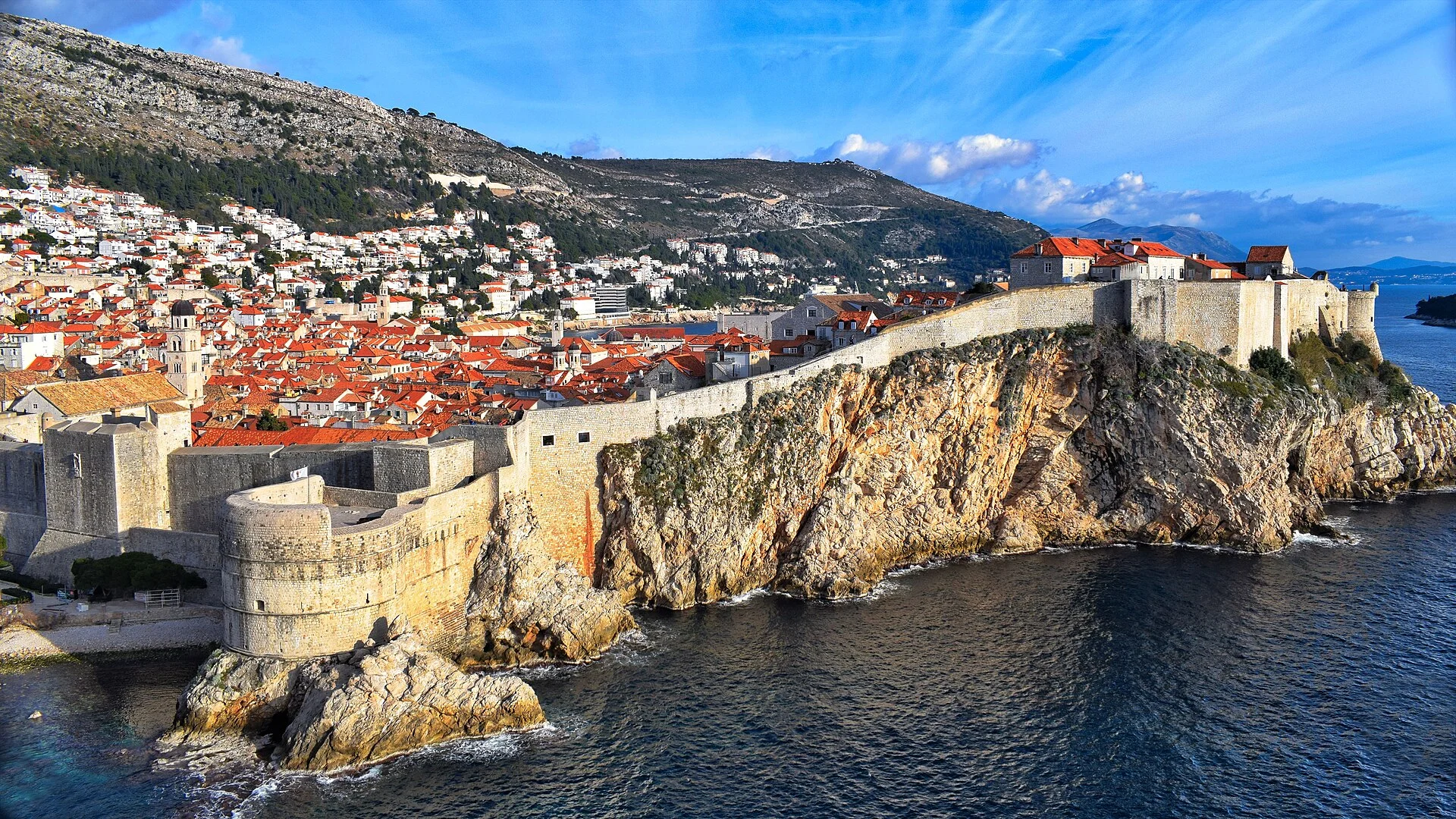
Dubrovnik sits near the southern end of Croatia, squeezed between the limestone ridge of Mount Srđ and the sea. Its old town, enclosed by a complete circuit of medieval walls, has been a UNESCO World Heritage Site since 1979. For centuries the Republic of Ragusa traded across the Mediterranean while keeping its independence through diplomacy, and the city still carries that confidence in its Baroque churches, Gothic-Renaissance palaces and the broad main street, the Stradun.
The city was heavily damaged during the siege of 1991–92 and painstakingly restored; a museum on Mount Srđ tells that story. Today Dubrovnik is also known as a filming location for several large productions, and its popularity brings real crowds, particularly when cruise ships are in port. Beyond the walls lie the residential peninsulas of Lapad and Babin Kuk, the ferry port at Gruž and a string of islands, from Lokrum just offshore to the Elaphiti archipelago.
Why Visit
Few places let you walk an entire medieval fortification circuit with the sea crashing below. Dubrovnik combines that drama with swimming off rocks a few minutes from the old town, superb seafood and easy day trips to islands, oyster villages and even Kotor in Montenegro. Visit at the edges of the day or out of high season and the city's beauty is matched by a surprising calm.
Best Things to Do
- Walk the city walls. The circuit runs for roughly two kilometres around the old town, with towers such as Minčeta giving views over terracotta roofs and open sea. Go at opening time or late afternoon to avoid heat and crowds.
- Stroll the Stradun. The marble main street runs from Pile Gate to the old port, past Onofrio's Fountain, the Sponza Palace and the Church of St Blaise, the city's patron saint.
- Visit the Rector's Palace. The seat of the old republic's government now houses the Cultural History Museum, a good introduction to how Ragusa governed itself.
- See the Franciscan Monastery. Its cloister is one of the old town's quiet corners, and the monastery's pharmacy is among the oldest still operating in Europe.
- Climb Fort Lovrijenac. Standing on a sea cliff just outside the walls, the fortress frames the old town beautifully and hosts open-air theatre during the summer festival.
- Ride the cable car up Mount Srđ. The view over the old town and islands is spectacular at sunset; the Homeland War museum in Fort Imperial explains the 1990s siege.
- Take the boat to Lokrum. A short ride from the old port, this wooded island has a botanical garden, a former Benedictine monastery, rocky swimming spots and resident peacocks. Boats run in the warmer months only.
- Kayak or swim beneath the walls. Sea kayak tours circle the old town towards Lokrum, and small rocky bathing spots outside the walls offer clear water in summer.
Map
Map data © OpenStreetMap contributors
Best Time to Visit
May, June, September and early October are the best months: warm sea, long days and fewer people than in midsummer. July and August are hot and very busy, though they bring the Dubrovnik Summer Festival of theatre and music in historic venues.
Winter is mild and quiet, with some hotels and restaurants closed and fewer island boats, but the old town feels like a lived-in city again. The feast of St Blaise on 3 February is the city's great traditional celebration. Check cruise schedules if you can and plan old-town visits for days with fewer ships in port.
Where to Stay
Staying inside the walls puts you in the heart of the atmosphere, but rooms are small, often up steep stairs, and cars cannot reach them. Ploče, just east of the walls, offers sea-view hotels within walking distance. Pile and the streets above the old town are convenient for buses and the cable car.
Lapad and Babin Kuk are greener, with beaches, promenades and larger resort hotels, and are well connected by city bus. Gruž, around the ferry port, is practical for island hopping and usually better value. For a quieter base, consider Cavtat to the south, which has boats to the old town in season.
Neighborhoods
Old Town (Grad): the walled historic core of churches, palaces and steep stone lanes; magical early and late, busy at midday.
Ploče: just east of the walls, with Banje beach, sea-view hotels and the start of the coastal road towards Cavtat.
Pile: the western gateway, with the main bus stop, Fort Lovrijenac and the cable car station above.
Gruž: the working harbour, with the ferry port, bus station and a morning produce and fish market.
Lapad and Babin Kuk: green peninsulas with pine-shaded paths, beaches and many of the city's larger hotels.
Transportation & Airports
Dubrovnik Airport is at Čilipi, south-east of the city. An airport shuttle bus timed to flight arrivals runs to the city, and taxis and ride-hailing are available. There is no railway: long-distance buses arrive at the main bus station in Gruž, which also serves as the ferry port for Jadrolinija and catamaran services to the islands and along the coast.
Within the city, Libertas buses connect Pile Gate with Gruž, Lapad and Babin Kuk; buy tickets from kiosks or the driver. The old town itself is pedestrian. Parking near the walls is scarce and expensive, so if you arrive by car, leave it at your accommodation. Driving north, the Pelješac Bridge lets you stay on Croatian territory; heading south into Montenegro or inland to Bosnia and Herzegovina means a Schengen border crossing, so allow time for checks.
Food
Seafood dominates: grilled fish sold by weight, octopus salad, black risotto, and mussels and oysters from Ston, about an hour up the coast. Look for šporki makaruli, a traditional pasta with meat sauce, and the local dessert rožata, a custard pudding similar to crème caramel.
Restaurants on the Stradun and its side streets cater to visitors; for better value, walk up the stepped lanes, head to Gruž market in the morning or eat in Lapad. Pair dinner with a red plavac mali from the Pelješac peninsula or a white pošip from Korčula.
Day Trips
Elaphiti Islands: Koločep, Lopud and Šipan are car-free or nearly so, reached by ferry from Gruž, with sandy Šunj bay on Lopud a highlight.
Cavtat: a calm harbour town to the south, reachable by boat in season or by bus.
Ston and Pelješac: walk the long defensive walls of Ston, eat oysters in Mali Ston and visit wineries on the peninsula.
Korčula and Mljet: catamarans serve the walled town of Korčula and Mljet National Park, with its saltwater lakes.
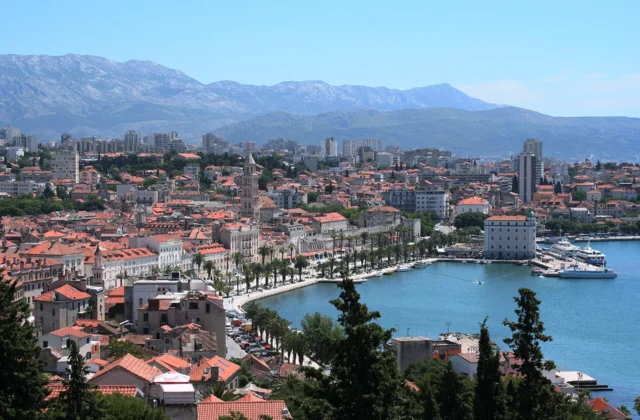
Kotor and Mostar: Kotor in Montenegro and Mostar in Bosnia and Herzegovina are popular full-day excursions; both involve border checks, so bring your passport. Explore more of Croatia, including Split, further up the coast.
Budget
Dubrovnik is one of Croatia's most expensive destinations, especially from June to September. The city-walls ticket, boat trips and old-town restaurants add up quickly.
- Stay in Lapad, Gruž or Cavtat rather than inside the walls.
- Use city buses instead of taxis, and picnic or snack from bakeries and markets.
- Consider the official city card, which bundles the walls with museums and public transport, and compare it with the sights you actually plan to see.
- Travel in May or October for noticeably lower accommodation prices.
Travel Tips
Beat the crowds. Visit the walls and Stradun early in the morning or after 5 pm, when day visitors have left.
Dress code. Walking around the old town in swimwear or without a shirt can lead to a fine; cover up when leaving the beach.
Wear good shoes. The marble is slippery and the side streets are mostly steps.
Carry water. There is little shade on the walls; refill at public fountains such as Onofrio's.
Check boat timetables. Lokrum and island services are reduced or suspended outside summer.
Other Cities in Croatia
Frequently Asked Questions
How many days do you need in Dubrovnik?
Two full days cover the old town, walls, cable car and Lokrum; add one or two more for the Elaphiti Islands, Ston or Kotor.
Can you swim in Dubrovnik?
Yes. Banje beach near Ploče, the rocky spots below the walls, Lokrum and the coves of Lapad are all good in the warmer months.
Is there a train to Dubrovnik?
No. Arrive by air, by bus from other Croatian cities or by ferry and catamaran along the coast.
Do I need my passport for a day trip to Montenegro?
Yes. Montenegro is outside the Schengen Area, so you pass border checks in both directions; carry your passport and allow extra time.
When is the Dubrovnik Summer Festival?
It is held every summer, in July and August, with theatre and concerts in historic venues across the old town.
Plan your trip to Dubrovnik
Free tools for flight times, time differences, budget, money and plugs.
- Flight Duration CalculatorWork out real flight time across time zones.
- Time Zone ConverterFind the time in another city instantly.
- Trip Budget CalculatorEstimate your total trip cost, item by item.
- Currency ConverterConvert prices between currencies at indicative rates.
- Travel Plug & Voltage CheckerCheck if you need a plug adapter or voltage converter.
- Jet Lag CalculatorEstimate how many days you need to beat jet lag.