🇮🇸 Iceland
Waterfalls, glaciers, geothermal springs, and the Northern Lights.
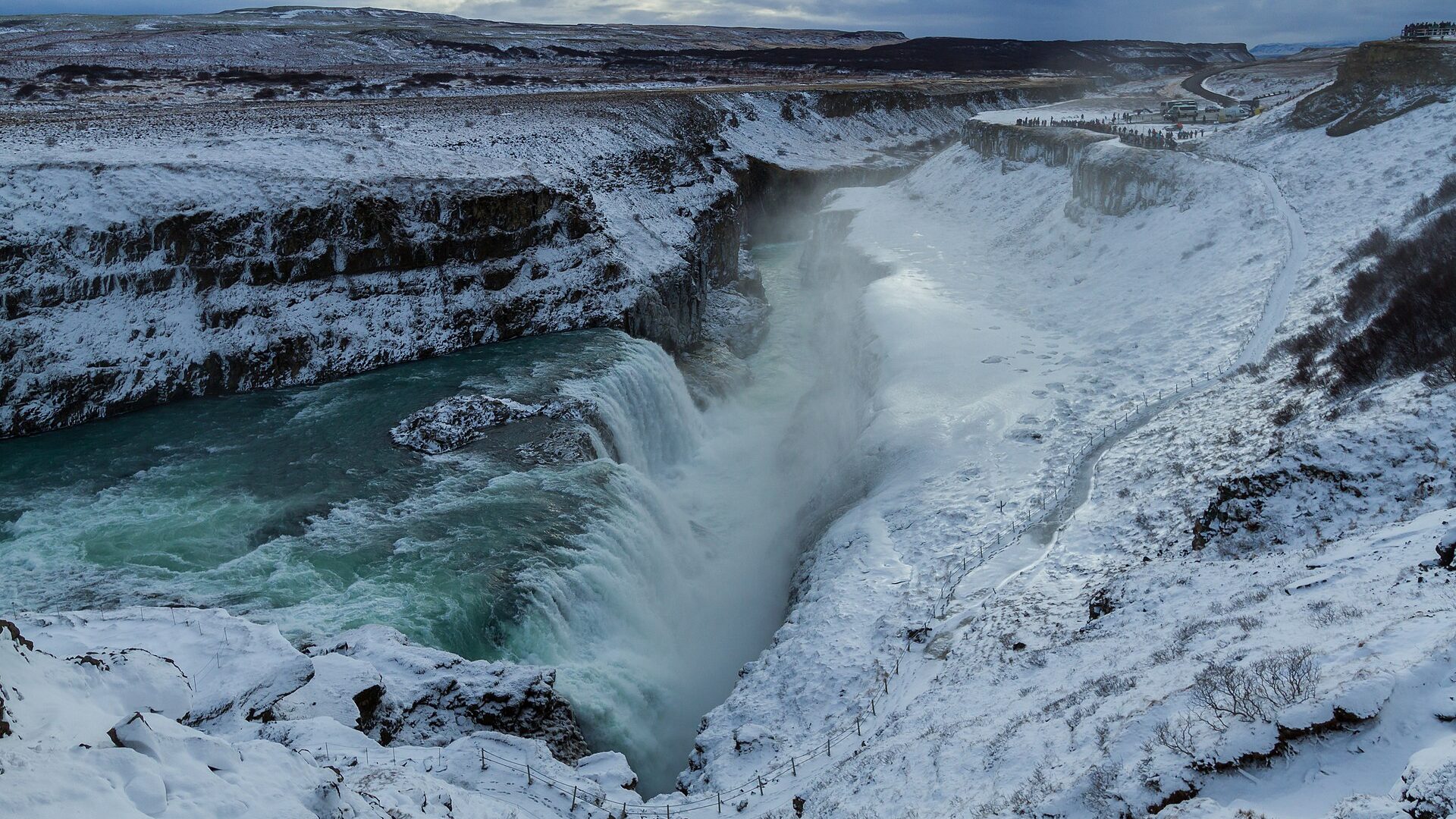
Iceland sits on the Mid-Atlantic Ridge, where the North American and Eurasian plates are pulling apart, which is why it has active volcanoes, geothermal fields and a landscape that looks unfinished. Roughly a tenth of the country is under glacier, and the interior highlands are uninhabited and closed by snow for most of the year.
It is small in population and large in distance. Most visitors base themselves in Reykjavik and drive, either the south coast, the Golden Circle and the Snaefellsnes peninsula, or the full Ring Road, which needs a week and a half to do without rushing.
Best Time to Visit
June to August is the accessible season: near-continuous daylight, all roads including the highland F-roads open, ferries and mountain huts operating, and puffins on the cliffs. It is also the busiest and most expensive period.
September and May are the best compromise: most things open, fewer people, and in September the aurora becomes visible again as the nights return.
October to March is the season for northern lights, ice caves in the glaciers, and low prices, at the cost of very short days — around four hours of usable light in December — and frequent road closures. Winter travel here is entirely feasible but requires flexibility and daily checking of conditions.
The interior highlands, including Landmannalaugar and the Laugavegur trail, are typically open only from late June to September, depending on the snowmelt each year.
Weather & Climate
Iceland's climate is milder than its latitude suggests, because the Gulf Stream warms the coast. Reykjavik winters are cold but not extreme; the difficulty is wind and rapid change rather than deep cold.
Weather here shifts within hours and varies sharply between regions on the same day — the north can be clear while the south coast is in horizontal rain. Wind is the defining feature and is strong enough to cause vehicle damage; car doors torn off by gusts are a common and genuinely expensive insurance claim.
The practical habit is to check the official forecast and road conditions each morning rather than planning a week of driving in advance. Volcanic activity, notably on the Reykjanes peninsula in recent years, can also affect specific roads and sites at short notice.
Map
Map data © OpenStreetMap contributors
Top Cities
Popular Destinations
Entry & Visa Guidance
Iceland is not in the European Union but is part of the Schengen area. Visa-exempt visitors may generally stay up to 90 days in any 180-day period, counted across all Schengen countries together rather than per country.
The Entry/Exit System (EES), which registers biometric data at the external border in place of passport stamps, has been fully operational across all Schengen countries since 10 April 2026. ETIAS, the pre-travel authorisation for visa-exempt nationalities, is scheduled to start in the last quarter of 2026, with the exact date to be announced officially; it is not yet in force.
Because most arrivals are by air into Keflavik from within or outside the Schengen zone, check the current position on the European Commission's own travel pages shortly before departure — the ETIAS timetable has been revised more than once.
Getting There & Around
There are no passenger railways. Travel means driving, domestic flights to the north and the Westfjords, or scheduled buses, which serve the main towns but are infrequent outside summer.
Driving is how most people see Iceland, and it comes with rules that are not optional. F-roads into the highlands legally require a four-wheel-drive vehicle and are closed outside the summer months. Off-road driving is illegal everywhere and carries heavy fines, because the vegetation takes decades to recover. River crossings on highland routes are not covered by standard rental insurance.
Check road.is for road status and vedur.is for weather before each driving day; closures are routine in winter. Single-lane bridges, blind summits and loose gravel shoulders cause a disproportionate number of tourist accidents. Fuel stations can be far apart in the east and the Westfjords.
Many rental contracts offer gravel, sand-and-ash and wind-damage cover — in Iceland these are worth reading carefully rather than dismissing.
Approximate Travel Budget
Iceland is one of the most expensive countries in Europe, and the cost is spread across everything: accommodation, restaurants, alcohol and fuel.
The offsetting fact is that the country's main attraction — the landscape — is free. Waterfalls, black beaches, hiking trails and most viewpoints cost nothing, though parking fees have been introduced at several popular sites.
Realistic ways to reduce the cost: self-cater from supermarkets, particularly the discount chains; use guesthouses, hostels or campsites rather than hotels; buy alcohol at the duty-free shop on arrival, since retail alcohol is otherwise sold only through the state off-licence at high prices; and visit the municipal geothermal swimming pools, which every town has, instead of the premium spa lagoons.
Card payment is accepted almost universally, including at rural fuel pumps, so carrying cash is largely unnecessary.
Local Customs & Culture
Icelandic society is informal and first-name based; there are no surnames in the usual sense, as most people carry a patronymic, and even the telephone directory is ordered by given name.
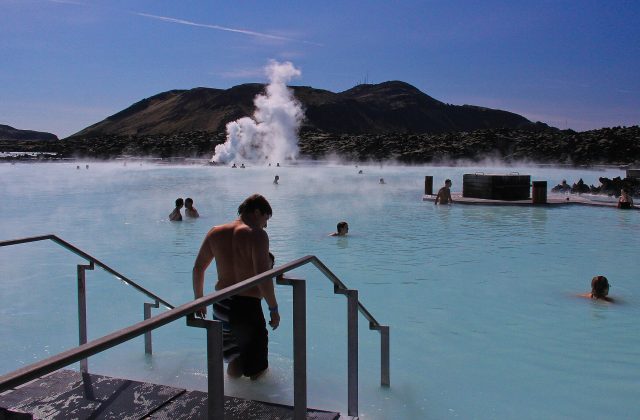
The swimming pool is the central social institution. Every town has a geothermal pool with hot tubs, and there is one firm rule: you must wash thoroughly, naked and without a swimsuit, in the changing-room showers before entering the water. This is non-negotiable, is posted in several languages, and is the etiquette breach visitors most often commit.
Nature is treated with unusual seriousness. Driving off-road, camping outside designated sites in most areas, and stacking stones or building cairns are all discouraged or illegal, and drone use is restricted at many sites and in national parks.
English is spoken almost universally, but the language is a point of national pride and attempts at it are received warmly.
Food
Icelandic food is built on what the North Atlantic and a treeless volcanic island provide: fish, lamb and dairy. Cod, haddock and Arctic char are excellent and widely served; the lamb is free-grazing and distinctive; skyr, a thick cultured dairy product closer to strained yoghurt than cheese, is an everyday staple.
The traditional preserved foods — fermented shark, singed sheep's head, cured ram — belong to the midwinter Thorrablot feast and are a curiosity rather than everyday eating. The genuine everyday item is the hot dog, sold from stands and eaten with crisp fried onion and remoulade.
Greenhouses heated geothermally grow tomatoes, cucumbers and even bananas, which is why fresh produce is better than the latitude suggests. Tap water is glacial, excellent and free — buying bottled water here is unnecessary. Note that hot tap water smells faintly of sulphur because it comes straight from geothermal sources.
Safety & Travel Advice
Iceland has very low crime, and the hazards are entirely environmental. They are also the reason visitors die here most years.
Weather and roads are the principal risk: check vedur.is and road.is daily, and postpone rather than push through a warning. Wind can be strong enough to make driving dangerous and to blow open car doors.
On the coast, sneaker waves at Reynisfjara and other black-sand beaches sweep people out without warning; the signage there is not decorative and the beach has a fatality record. On glaciers, never walk on ice without a guide and equipment — crevasses are hidden. Geothermal areas have thin crust over boiling water, so stay on marked paths and boardwalks.
Register a travel plan with safetravel.is if you are hiking in the highlands, and note that mobile coverage is not continuous. Emergency services are on 112, which also has an app used by the search and rescue service.
Useful Phrases
Icelandic is a conservative North Germanic language. English is spoken almost everywhere, so these are courtesies rather than necessities.
Halló / Góðan daginn - hello / good day.
Takk or takk fyrir - thank you.
Já - yes. Nei - no.
Afsakið - excuse me.
Hvað kostar þetta - how much does this cost.
Skál - cheers.
Bless - goodbye.
Place-name elements that help you read a map:
foss - waterfall. Jökull - glacier. Vík - bay. Fjörður - fjord. Vatn - lake or water. Dalur - valley. Reykur - smoke or steam, as in Reykjavik, smoky bay.
Official Sources
Visa, entry, and safety information changes. Always verify with the official sources below before you travel.