Reykjavík
Overview
Reykjavík sits on a peninsula in the south-west of Iceland, facing Faxaflói bay with the mountain Esja across the water. It is small: the centre is a few streets of corrugated-iron houses around a pond, with the concert hall on the harbour at one end and the Hallgrímskirkja on the rise at the other. Most of the country's population lives in the surrounding capital region.
Its role for travellers is dual. It is a genuine small city with a strong music, café and swimming-pool culture, and it is the practical hub for the rest of the island: the airport, the tour operators and the ring road all start here.
Why Visit
Reykjavík is the easiest place to experience Icelandic daily life rather than only Icelandic landscape: the geothermal swimming pools, the bookshops, the music scene and the food that has grown out of a limited larder.
It is also the base from which the south-west of the country is reachable in a day, which is why most visits to Iceland begin and end here.
Best Things to Do
- A neighbourhood swimming pool. Geothermally heated outdoor pools with hot tubs are a daily social institution rather than a tourist activity. Laugardalslaug is the largest; Sundhöllin is the oldest and most central. Showering without a swimsuit before entering is compulsory.
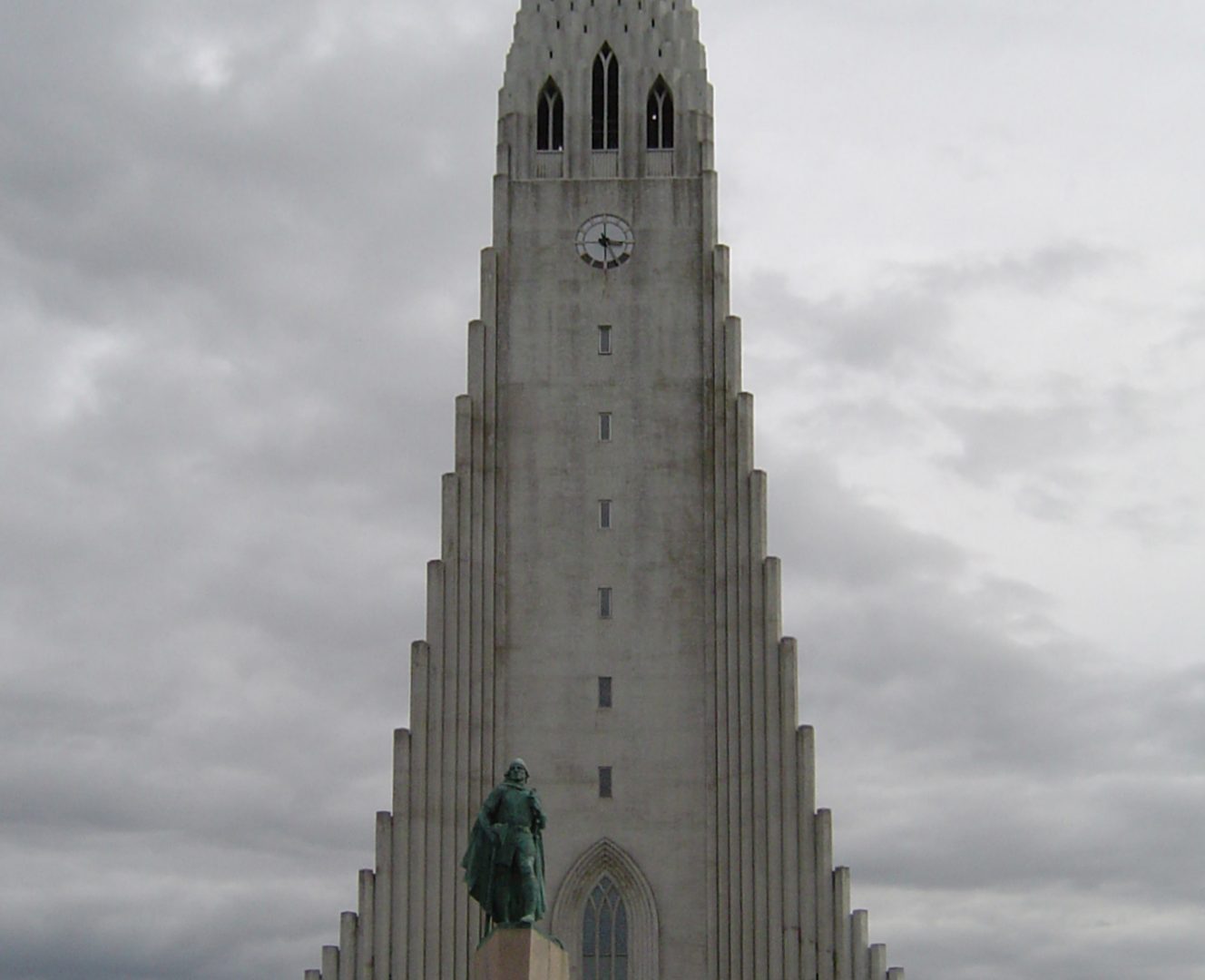
- Hallgrímskirkja. The concrete church on the hill, whose form echoes basalt columns. The tower lift gives the clearest view over the coloured roofs.
- Harpa. The concert hall on the harbour, with a glass facade of hexagonal cells; the foyers are open to walk through.
- The National Museum of Iceland. The settlement-to-present account of the country, and the best preparation for travelling beyond the city.
- The Perlan. On a hill above town, with an observation deck, an ice cave exhibit and a view across the bay.
- The old harbour. Working boats, whale and puffin watching departures in season, and the best fish to eat.
- Grótta, at the end of Seltjarnarnes. A lighthouse on a tidal island at the western tip of the peninsula, and the closest dark-sky spot to the centre for the northern lights.
Destinations & Attractions
Map
Map data © OpenStreetMap contributors
Best Time to Visit
June to August brings near-continuous daylight, all roads open and every tour running. It is the busiest and most expensive period, and the northern lights are not visible.
September to March is the aurora season, with dark enough skies and long nights. September and March are the best compromise: still reasonable daylight, roads generally open, and a genuine chance of the lights.
December and January have only a few hours of daylight and unpredictable weather; the city is atmospheric but the country beyond it is harder to reach.
Where to Stay
101, the central postcode around Laugavegur and the pond, puts you within walking distance of everything and of the nightlife, which runs very late at weekends.
Near the old harbour is quieter, still central, and convenient for boat departures.
Laugardalur, east of the centre, is residential and near the big pool and the campsite, and is better value.
Staying near the airport at Keflavík only makes sense for a very early departure; it is around forty-five minutes from the city.
Neighborhoods
101 Reykjavík: the old centre, with Laugavegur's shops, the pond, the cathedral, the parliament and most of the bars.
The old harbour and Grandi: working quays turned to restaurants, a food hall, museums and the whale-watching departures.
Þingholt: the streets climbing towards Hallgrímskirkja, with the coloured corrugated-iron houses.
Laugardalur: the green valley east of the centre, with the largest swimming pool, the botanic garden and the national stadium.
Seltjarnarnes: the separate municipality at the end of the peninsula, residential, with the Grótta lighthouse and shoreline walks.
Transportation & Airports
The centre is small enough to walk end to end in twenty minutes. Strætó, the yellow city buses, cover the wider capital region; there is no metro or tram.
Keflavík airport is roughly forty-five minutes away by scheduled coach; services are timed to flights and drop at the main bus terminal or at hotels.
For the rest of Iceland you need either a rental car or a tour. Distances are long, weather changes fast, and winter driving on gravel and ice is a serious undertaking; check the official road and weather services daily before setting out.
Food
Icelandic cooking is built on fish and lamb. Plokkfiskur, a mashed fish and potato dish with rye bread, is the everyday comfort food; kjötsúpa is the lamb soup; and cod, haddock and Arctic char appear on nearly every menu.
Skyr, a thick cultured dairy product closer to fresh cheese than yoghurt, is eaten at breakfast and sold everywhere. Rúgbrauð, dense dark rye traditionally baked using geothermal heat, goes with the fish.
The hot dog occupies an unlikely place in the national diet and is the cheapest hot food in the city; ask for one with everything.
Day Trips
The Golden Circle is the standard day: Þingvellir, where the Althing met from the tenth century and where the continental plates are visibly pulling apart, the Geysir geothermal field, and the Gullfoss waterfall.
The south coast reaches Seljalandsfoss, Skógafoss, the black-sand beach at Reynisfjara and the village of Vík. It is a long day and the beach has dangerous waves that have caused deaths; stay well back from the water.
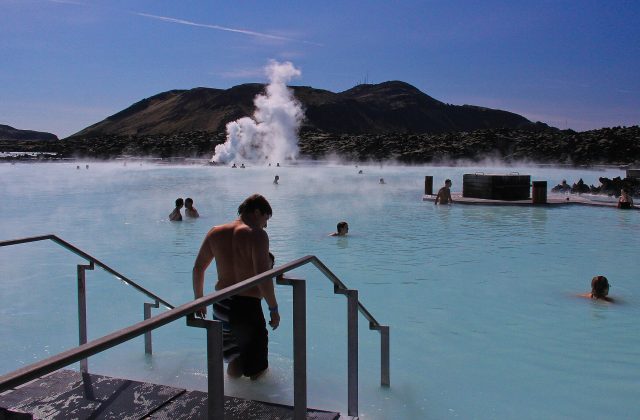
The Reykjanes peninsula, around the airport, has lava fields, geothermal areas and the Blue Lagoon. Volcanic activity in this area has closed roads and sites at times, so check official advice before travelling.
Budget
Iceland is expensive and Reykjavík is where most of that is spent. Restaurants and alcohol are the two biggest costs; supermarket shopping and the ubiquitous hot dog stands cut them substantially.
The best-value things are cheap or free: the geothermal pools cost little and are the most characteristic experience in the city, and the harbour, the shoreline path and Grótta cost nothing. Tours and car rental are the other major expense, and both are noticeably cheaper outside the summer peak.
Travel Tips
Shower properly before entering a pool. It is a rule, it is enforced, and it is not optional.
Tap water is excellent and free. Buying bottled water in Iceland makes no sense; the hot tap smells of sulphur, the cold does not.
Check road and weather services before any drive. Conditions change quickly and closures are common outside summer.
Layer, and bring a windproof shell. Wind rather than temperature is what makes Icelandic weather difficult.
Do not count on the northern lights. They need darkness, clear sky and activity at once. Treat a sighting as a bonus rather than the reason for the trip.
Frequently Asked Questions
How many days do I need in Reykjavík
Two days cover the city itself comfortably. Most visitors add one to three more for the Golden Circle, the south coast or Reykjanes.
Do I need a car
Not for the city. For anything beyond it you need either a rental car or an organised tour; public transport does not serve the sights.
When can I see the northern lights
Roughly September to March, when the nights are dark enough. Clear skies and geomagnetic activity are both required, so nothing is guaranteed.
Is the Blue Lagoon the only hot spring option
No. The city's own geothermal pools are cheaper, closer and more characteristic of everyday Icelandic life, and there are other geothermal spas around the region.