🇸🇳 Senegal
Atlantic light, mangrove deltas and the warm welcome of teranga
Senegal is West Africa’s most approachable country: a long Atlantic coast, a creative and music-loving capital, colonial-era island towns and quiet mangrove deltas. Its people take pride in teranga, the Wolof word for hospitality, and visitors feel it almost everywhere.
Best Time to Visit
The dry season, roughly November to May, is the most comfortable time to travel: skies are clear, humidity is low and the coast is pleasantly breezy. December to February is the peak period for visitors and for birdwatching in the northern wetlands, when migratory species from Europe winter in the Senegal River delta.
The rainy season, roughly July to October, brings heat, humidity and heavy downpours that can flood roads, especially in the south and east. It is also the greenest time of year and the quietest for tourism.
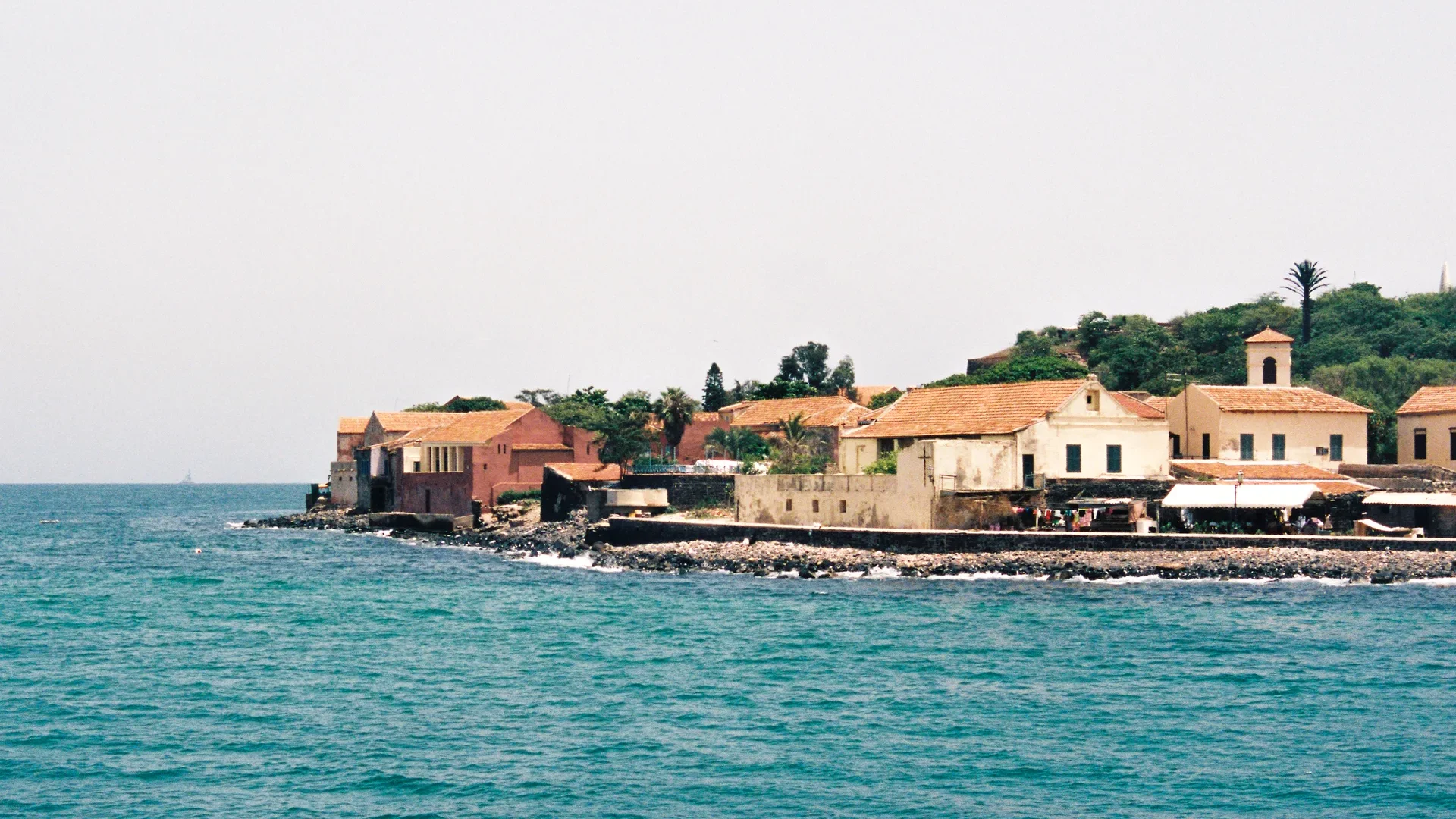
Most trips begin in Dakar, which combines easily with Gorée Island, the Pink Lake and the Petite Côte beaches.
Weather & Climate
Senegal has a tropical climate with a single long dry season and a shorter wet one. The coast, including Dakar, is cooled by Atlantic winds and stays milder than the interior, which can be extremely hot before the rains. From around December to March the dry, dusty harmattan wind can blow in from the Sahara, bringing hazy skies.
Rainfall increases from north to south: the Sahelian north is dry for most of the year, while Casamance in the south is lush, with mangroves, palm forests and much heavier rains.
Map
Map data © OpenStreetMap contributors
Explore More in the Region
Botswana
Okavango waterways, Chobe's elephants and the vast silence of the Kalahari
Botswana
Les eaux de l'Okavango, les éléphants du Chobe et le silence du Kalahari

Egypt
Millennia of history along the Nile: pyramids, temples, and the Red Sea coast.
Ethiopia
Rock-hewn churches, ancient highlands, and the source of Ethiopian coffee.

Ghana
West African coastline, history, and a warm welcome.

Kenya
The Maasai Mara, the Great Migration, and East Africa's classic safari country.
Entry & Visa Guidance
Many nationalities can visit Senegal without a visa for short stays; British nationals, for example, can stay for up to three months without a visa, according to UK government advice. Border officials may ask for evidence of return or onward travel and of accommodation. Travellers who do need a visa should apply through a Senegalese embassy or consulate before departure.
Your passport should be valid for at least six months from the date of arrival. A yellow fever vaccination certificate is required if you arrive from a country with a risk of transmission (infants under nine months are exempt), and you may need one for onward travel.
Confirm the current rules for your nationality with the official source before booking. Checked October 2026.
Getting There & Around
International flights arrive at Blaise Diagne International Airport (AIBD) at Diass, some distance south-east of Dakar and linked to the city by toll motorway. Book a transfer or use official taxis: the UK government warns of bogus taxis at airports overcharging new arrivals.
Around the country, sept-place shared taxis (seven-seater estate cars) and minibuses connect most towns from large bus stations, leaving when full. Main roads are generally good, but minor roads can deteriorate sharply, and the rainy season brings flooding. A ferry runs between Dakar and Ziguinchor in Casamance, and Gorée is reached by a short boat ride from Dakar's port. Many visitors hire a car with a driver for longer circuits; avoid driving after dark, when roads are unlit.
Approximate Travel Budget
Senegal offers good value outside Dakar, which is one of West Africa's more expensive cities for accommodation and imported goods. Local restaurants serving thiéboudienne or yassa at lunchtime, sept-place taxis and simple guesthouses are inexpensive, while beach resorts on the Petite Côte and boutique hotels in Saint-Louis or the Saloum Delta charge international prices.
The currency is the West African CFA franc, pegged to the euro, which makes budgeting easy for euro-zone travellers. Cash is king in markets, taxis and rural areas; cards are accepted in larger hotels, supermarkets and restaurants in Dakar. Use ATMs inside banks or reputable exchange offices, as counterfeit notes circulate.
Local Customs & Culture
Senegal is a majority-Muslim country with a strong tradition of tolerance and Sufi brotherhoods such as the Mourides and Tidjanes. Dress modestly away from the beach, especially at religious sites and during Ramadan, and avoid alcohol and revealing clothing around Friday prayers. Public drunkenness is frowned upon.
Greetings are long and important: take time to ask after someone's health and family before getting to business. Use your right hand to eat from a shared bowl and to give or receive things. Sharing sweet green tea, attaya, in three successive rounds is a social ritual. Same-sex relations are illegal and the law was toughened in March 2026; LGBT+ travellers should read their government's advice. Drug offences carry heavy prison sentences.
Food
Senegal's national dish, thiéboudienne (ceebu jën), is fish cooked with rice, tomato and vegetables in a single pot, and is recognised by UNESCO as intangible cultural heritage. Yassa, chicken or fish in a sharp onion-and-lemon sauce, and mafé, a peanut stew, are everyday favourites, and grilled dibi lamb is the classic evening street food.
Drinks are a highlight: hibiscus bissap, baobab-fruit bouye, ginger juice and spiced café Touba. For the freshest fish, head to the coastal markets of Dakar or the fishing towns of the Petite Côte.
Safety & Travel Advice
Most visits to Senegal are trouble-free, but the UK government reports a rise in robbery, pickpocketing and bag-snatching in Dakar, some involving weapons. Avoid carrying large amounts of cash, use hotel safes, be careful at ATMs and stay alert after dark. Demonstrations occur in Dakar and other cities and can turn violent; avoid them, as foreigners have been prosecuted for attending unauthorised protests.
In Casamance, decades of low-intensity separatist conflict mean you should use main roads, avoid travelling at night and follow local advice. Terrorist groups are active in neighbouring Mali, so take extra care in remote areas near the eastern borders. Medical facilities are reasonable in Dakar but limited elsewhere. Read your own government's travel advice before you go and keep it bookmarked during the trip.
Useful Phrases
French is the official language, but Wolof is spoken by most people, and a few words in Wolof earn big smiles.
Salaam aleekum: Hello (peace be upon you)
Maleekum salaam: Reply to the greeting
Nanga def? How are you?
Maa ngi fi rekk. I'm fine
Jërëjëf: Thank you
Waaw / Déedéet: Yes / No
Ñaata la? How much is it?
Baax na. It's good / OK
Ba beneen yoon. See you next time
Teranga: Hospitality
Official Sources
Visa, entry, and safety information changes. Always verify with the official sources below before you travel.
- https://www.gov.uk/foreign-travel-advice/senegal
- https://www.gov.uk/foreign-travel-advice/senegal/entry-requirements
- https://www.gov.uk/foreign-travel-advice/senegal/safety-and-security
- https://www.gov.uk/foreign-travel-advice/senegal/regional-risks
- https://www.gov.uk/foreign-travel-advice/senegal/health
- https://whc.unesco.org/en/statesparties/sn
- https://www.ansd.sn/
Plan your trip to Senegal
Free tools for flight times, time differences, budget, money and plugs.
- Flight Duration CalculatorWork out real flight time across time zones.
- Time Zone ConverterFind the time in another city instantly.
- Trip Budget CalculatorEstimate your total trip cost, item by item.
- Currency ConverterConvert prices between currencies at indicative rates.
- Travel Plug & Voltage CheckerCheck if you need a plug adapter or voltage converter.
- Jet Lag CalculatorEstimate how many days you need to beat jet lag.