🇲🇹 Malta
Honey-stone fortresses, prehistoric temples and clear Mediterranean coves
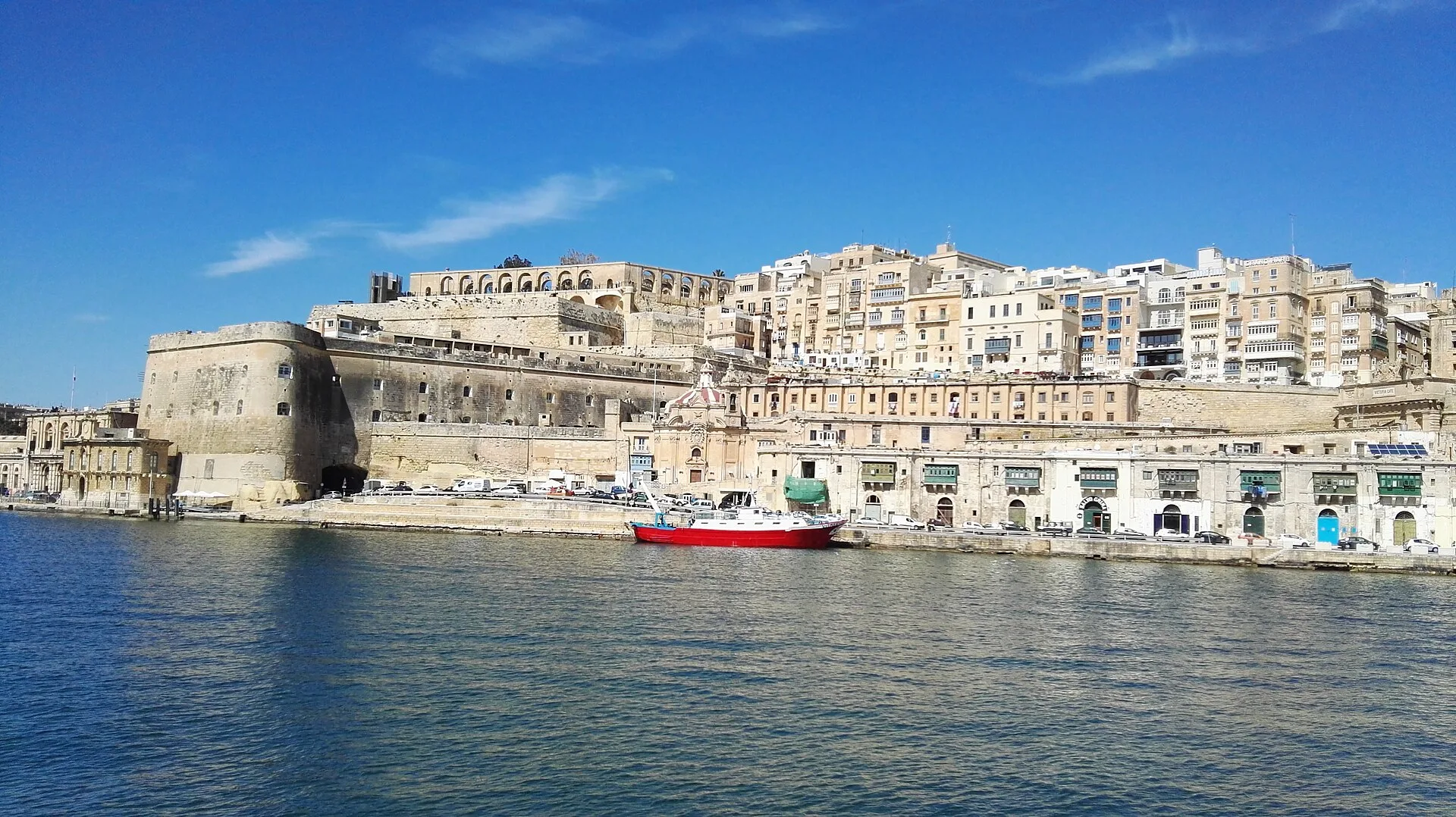
Malta is a small archipelago in the middle of the Mediterranean – Malta, Gozo and tiny Comino – where seven thousand years of history are packed into a few dozen kilometres. Baroque Valletta, prehistoric temples older than Stonehenge and swimming spots of startling blue make it an easy, rewarding island break at any time of year.
Best Time to Visit
April to June and September to early November are the sweet spots: warm sea, comfortable walking temperatures and fewer crowds than midsummer. July and August are hot and busy, but they are also the height of the village festa season, when parishes decorate their streets, hold processions and set off fireworks in honour of their patron saints.
Winter is mild and quiet – ideal for museums, the churches of Valletta and coastal walks on Gozo, though some boat trips run less often and the sea can be rough.
Weather & Climate
Malta has a Mediterranean climate: long, hot, dry summers with strong sunshine, and short, mild winters when most of the year's rain falls, often in brief heavy downpours. Sea breezes temper the heat on the coast, but there is little shade in many places, so sun protection matters from spring to autumn. Strong winds occasionally disrupt ferries and harbour crossings.
Map
Map data © OpenStreetMap contributors
Explore More in the Region

Albania
Ionian beaches, Ottoman hill towns and wild mountains on the Adriatic

Austria
Vienna's imperial grandeur and the Alps just beyond the city.

Belgium
Belfries, beer halls and art nouveau in a small country built for train travel

Bosnia and Herzegovina
Ottoman bazaars and Austro-Hungarian avenues in Sarajevo, the rebuilt bridge of Mostar, turquoise rivers and mountains…

Bulgaria
Rila Monastery, Roman Plovdiv, the medieval capital Veliko Tarnovo, Black Sea beaches and ski resorts at…

Croatia
Roman palaces, walled towns and a thousand islands on the Adriatic
Entry & Visa Guidance
Malta is a member of the EU and the Schengen area. Many non-EU nationals, including citizens of the UK, the USA, Canada and Australia, can visit without a visa for up to 90 days in any 180-day period, counted across all Schengen countries. Others need a Schengen visa, issued through Maltese embassies, consulates or appointed visa centres under Malta's Central Visa Unit. Your passport should generally have been issued less than ten years before arrival and be valid for at least three months after you plan to leave the Schengen area.
The EU's Entry/Exit System (EES) has been fully operational at Schengen external borders since 10 April 2026: non-EU travellers register fingerprints and a photo on their first entry, replacing passport stamps. ETIAS, the online pre-travel authorisation for visa-exempt visitors, is not yet in operation; it had been scheduled for the last quarter of 2026, but no confirmed start date has been published and the EU says it will announce it several months ahead.
Confirm the current rules for your nationality with the official source before booking. Checked October 2026.
Getting There & Around
Malta International Airport at Luqa is the main gateway, a short ride from the capital. There are no trains: the islands rely on a public bus network run by Malta Public Transport, with Valletta as the main hub and express routes marked "X" serving the airport. Buses generally run from about 5.30am to 11pm; plan journeys with the operator's website or the tallinja app. See our Valletta guide for airport transfers.
For Gozo, the Gozo Channel car ferry crosses from Ċirkewwa, at Malta's northern tip, to Mġarr, and a fast passenger ferry links Valletta with Mġarr. Small ferries cross the harbours from Valletta to Sliema and to the Three Cities, though they can be suspended in rough seas. A catamaran also sails from Valletta to Pozzallo in Sicily almost daily, a useful link to Italy.
Driving is on the left. Roads are busy and parking is difficult in towns, so many visitors combine buses, ferries, taxis and ride-hailing apps rather than hiring a car.
Approximate Travel Budget
Malta is moderately priced for southern Europe: cheaper than many Western European capitals, but accommodation costs rise sharply in summer. Buses and harbour ferries keep transport costs reasonable. Adults aged 18 and over pay an environmental contribution of €1.50 per night, capped at €22.50 per continuous stay, collected by the accommodation (rate in force since 1 July 2026, checked October 2026). Street snacks such as pastizzi are cheap, while waterfront restaurants in Valletta, Sliema and St Julian's sit at the higher end.
Local Customs & Culture
Religion remains central to Maltese life, and churches expect modest dress: covered shoulders and knees. Beachwear belongs on the beach rather than in town centres. The Maltese are friendly and direct, often switching easily between Maltese and English in the same sentence.
Village festi are community events as much as religious ones – visitors are welcome to watch processions and fireworks, but give way to the statue bearers and band clubs. Sunday is family day, and many smaller shops close.
Food
Maltese food blends Sicilian, North African and British influences. Try pastizzi (flaky pastries filled with ricotta or peas), ħobż biż-żejt (bread rubbed with tomato and topped with tuna, capers and olives), stuffat tal-fenek (rabbit stew, a national favourite), and fish such as lampuki in autumn. Gozo is known for its small cheeses, ġbejniet.
Wash it down with the bitter-orange soft drink Kinnie or a local lager. For coffee-house culture and evening dining with harbour views, base yourself in Valletta.
Safety & Travel Advice
Malta is generally a safe, relaxed destination with low levels of serious crime. Watch for pickpockets and bag snatching in crowded places and around the nightlife district of Paceville, keep an eye on your drink and use licensed taxis or ride-hailing apps late at night.
The main everyday risks are natural: strong summer sun and heat, rocky shorelines and changing sea conditions – respect warning flags and avoid swimming alone in exposed spots. Traffic is heavy and some roads lack pavements, so take care as a pedestrian. Read your own government's travel advice before you travel.
Useful Phrases
English is an official language and spoken everywhere, but locals appreciate a few words of Maltese.
Bonġu: Good morning
Bonswa: Good evening
Grazzi: Thank you
Jekk jogħġbok: Please
Iva / Le: Yes / No
Skużani: Excuse me / Sorry
Kemm jiswa? How much is it?
Il-kont, jekk jogħġbok: The bill, please
Saħħa: Goodbye / Cheers
Merħba: Welcome
Official Sources
Visa, entry, and safety information changes. Always verify with the official sources below before you travel.
- https://www.gov.uk/foreign-travel-advice/malta/entry-requirements
- https://nso.gov.mt/world-population-day-11-july-2026/
- https://www.transport.gov.mt/land/public-transport-4273
- https://mta.com.mt/environmental-contribution/
- https://www.gov.pl/web/usa-en/entryexit-system---full-implementation-from-april-10th-2026
- https://www.eulisa.europa.eu/news-and-events/news/ees-etias-advisory-group-reviews-progress-towards-key-milestones
Plan your trip to Malta
Free tools for flight times, time differences, budget, money and plugs.
- Flight Duration CalculatorWork out real flight time across time zones.
- Time Zone ConverterFind the time in another city instantly.
- Trip Budget CalculatorEstimate your total trip cost, item by item.
- Currency ConverterConvert prices between currencies at indicative rates.
- Travel Plug & Voltage CheckerCheck if you need a plug adapter or voltage converter.
- Jet Lag CalculatorEstimate how many days you need to beat jet lag.