
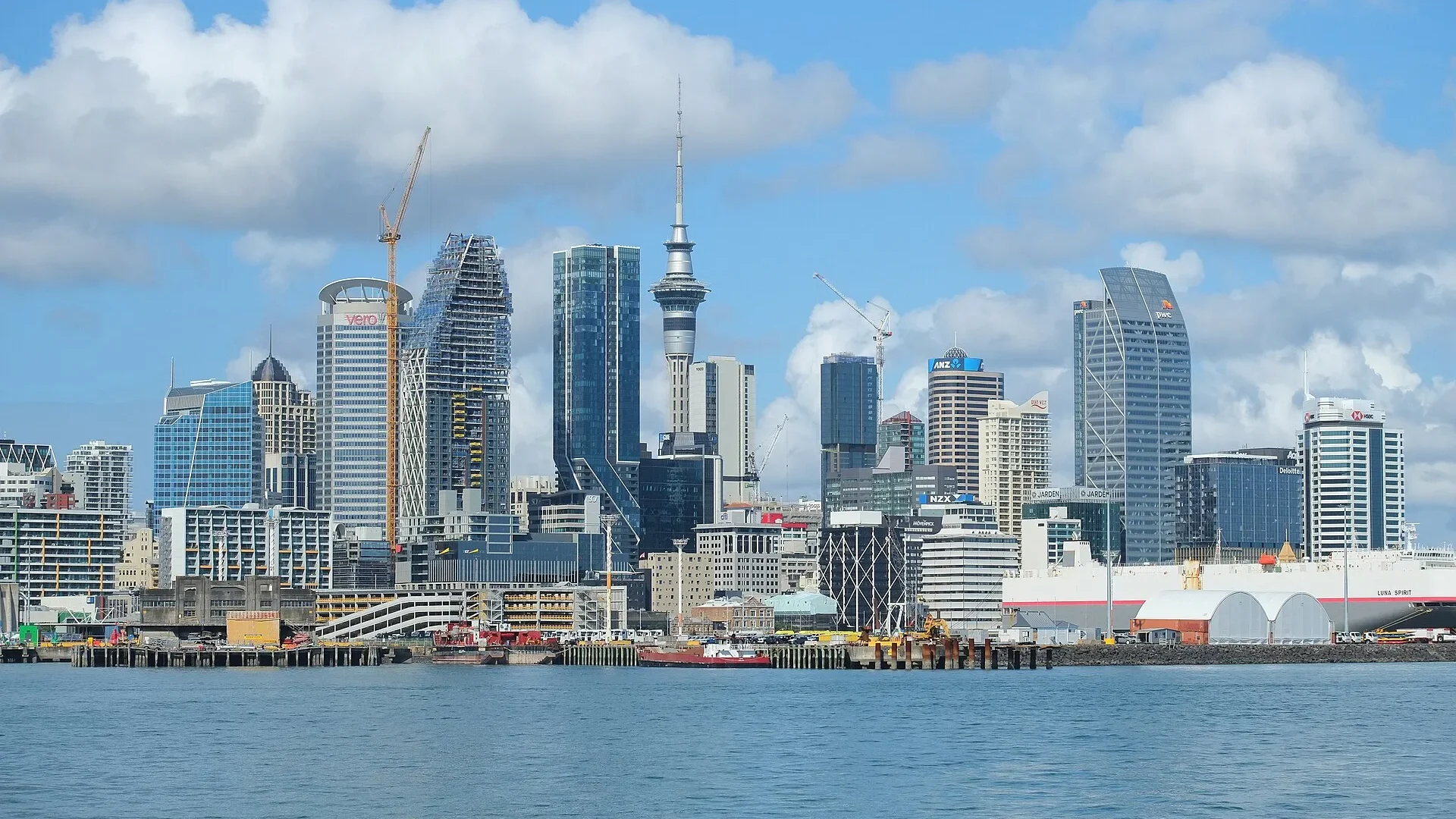
Auckland
Overview
Auckland occupies a narrow neck of land with the Waitematā Harbour on the Pacific side and the Manukau Harbour on the Tasman side. The volcanic field beneath it has produced dozens of cones and craters, now public parks, and the highest of them give the clearest sense of how the city is laid out.
It is New Zealand's largest city and its main international gateway, and it has the largest Polynesian population of any city in the world, which shapes its food, music and public life. The Hauraki Gulf, with its islands, begins at the end of the downtown wharves.
Why Visit
Few cities put this much variety within an hour: black-sand surf beaches on the west coast, vineyards and walking tracks on an island forty minutes by ferry, rainforest ranges, and a harbour city in between.
Auckland is also the practical starting point for New Zealand, and two or three days here before heading south makes the rest of the country easier to plan.
Best Things to Do
- Auckland War Memorial Museum. In the Domain, with the strongest Māori and Pacific collections in the country and a daily cultural performance.
- Waiheke Island. Forty minutes by ferry, with vineyards, olive groves, beaches and coastal walking tracks. The easiest and best day trip.
- Maungawhau / Mount Eden. The highest volcanic cone in the city, with an intact crater and a full panorama. Access to the summit is on foot.
- Maungakiekie / One Tree Hill. A cone within Cornwall Park, with sheep grazing and terracing from the pā that stood here.
- The Sky Tower. The tallest structure in the southern hemisphere, with an observation deck and a controlled jump from the top for those inclined.
- Auckland Art Gallery Toi o Tāmaki. The country's largest art collection, free to enter for the permanent galleries.
- Piha and the west coast. Black volcanic sand, strong surf and the Waitākere Ranges behind. Swim only between the flags; the rips here are dangerous.
Map
Map data © OpenStreetMap contributors
Best Time to Visit
December to March is summer: warm, long evenings, beaches and island ferries at their best, and the busiest and priciest period.
March and April hold the warmth with fewer people and are arguably the best compromise. November is similar on the way in.
June to August is winter: mild rather than cold, but wet and windy, with shorter days. The city is temperate year-round and rarely freezes.
Auckland weather is changeable and can move through four seasons in a day, particularly on the west coast.
Where to Stay
The city centre, around Queen Street and the Viaduct, is convenient for ferries, the Sky Tower and transport, though it is functional rather than charming.
Ponsonby, a short ride west, has the best restaurants and bars along a villa-lined main road, and is the most enjoyable base.
Parnell, east, is quiet and close to the Domain and the museum.
Devonport, twelve minutes by ferry across the harbour, is a Victorian seaside village with two volcanic cones and a view back at the skyline. Mission Bay suits a beach-side stay on the eastern waterfront.
Neighborhoods
City Centre: Queen Street, Britomart, the Viaduct Harbour and the ferry terminal.
Ponsonby and Grey Lynn: restored villas, the best eating and drinking, independent shops.
Parnell: the oldest suburb, with the Domain, the museum and the rose gardens.
Devonport: across the harbour by ferry, naval history, cafés and the cones of Maungauika and Takarunga.
Mount Eden and Kingsland: village main streets under the volcanic cone, close to the stadium.
Ōtara and Māngere: south Auckland, with the largest Pacific communities and the best weekend markets.
Transportation & Airports
The AT HOP card covers buses, trains and ferries and is substantially cheaper than cash fares. Ferries from the downtown terminal are part of the public network and serve Devonport, Waiheke and the eastern bays.
Trains run on a few lines from Britomart in the centre; buses fill in the rest and the frequent routes along the main isthmus roads are the useful ones.
Auckland Airport is south of the city and connected by the SkyDrive coach and by taxi and ride-hailing; there is no rail link. A car is genuinely useful for the west coast beaches and the ranges, which public transport does not reach well.
Food
Auckland eats across the Pacific. A hāngī, food cooked in an earth oven, is the traditional Māori method and appears at cultural events rather than restaurants. Pacific Island food (taro, palusami, raw fish in coconut cream) is best found at the Ōtara and Avondale markets.
Seafood is the strength: green-lipped mussels, snapper, crayfish and Bluff oysters in season. Fish and chips eaten at a beach is a national habit.
The café scene is strong and the coffee is taken as seriously as in Melbourne. Ponsonby Central and the Britomart precinct concentrate the better restaurants.
Day Trips
Waiheke Island is the standard day: ferry from downtown, then vineyards, beaches and the coastal walkway.
Rangitoto Island, the youngest volcano in the field, is a shorter ferry and a steep walk over lava fields to the summit. There is no shade and no shop; carry water.
The Waitākere Ranges and the west coast reach Piha, Karekare and Muriwai's gannet colony. Note that kauri dieback has closed some tracks; check before you go and use the cleaning stations.
Tiritiri Matangi is an open wildlife sanctuary island with rare birds, reached by ferry and requiring booking. Hobbiton and the Waitomo caves are longer days to the south.
Budget
Auckland is expensive for accommodation and restaurant meals, and moderate for everything else. Markets, food halls and fish and chips keep eating costs down.
The HOP card is essential value on transport, and the ferry to Devonport is one of the cheapest good views anywhere. Museums and galleries are free or donation-based for New Zealand residents and modestly priced for visitors; the volcanic cones, the Domain, Cornwall Park and the beaches cost nothing.
Travel Tips
Get an AT HOP card. Cash fares on buses and ferries are much higher.
Swim between the flags. West coast beaches have powerful rips and are patrolled only in parts and in season.
Clean your shoes at kauri dieback stations. It is a legal requirement on many tracks in the Waitākere Ranges and the disease is spread by soil on footwear.
Sun protection matters. UV levels in New Zealand are very high, including on overcast days.
Book the Waiheke ferry in summer. Weekend sailings fill, particularly around the wine events.
Other Cities in New Zealand

Frequently Asked Questions
How many days do I need in Auckland
Two days cover the city and one island or coast trip. Three or four let you do Waiheke, the west coast and the museum without rushing.
Do I need a car in Auckland
Not for the city, the ferries or Waiheke. You do want one for the Waitākere Ranges and the west coast beaches, which are poorly served by public transport.
Is Waiheke worth a day
Yes. It is the single best short trip from the city, and the ferry is part of the public transport network.
When is the best time to visit
December to March for summer weather, or March and November for a good balance of weather, prices and crowds.
Plan your trip to Auckland
Free tools for flight times, time differences, budget, money and plugs.
- Flight Duration CalculatorWork out real flight time across time zones.
- Time Zone ConverterFind the time in another city instantly.
- Trip Budget CalculatorEstimate your total trip cost, item by item.
- Currency ConverterConvert prices between currencies at indicative rates.
- Travel Plug & Voltage CheckerCheck if you need a plug adapter or voltage converter.
- Jet Lag CalculatorEstimate how many days you need to beat jet lag.