🇮🇪 Ireland
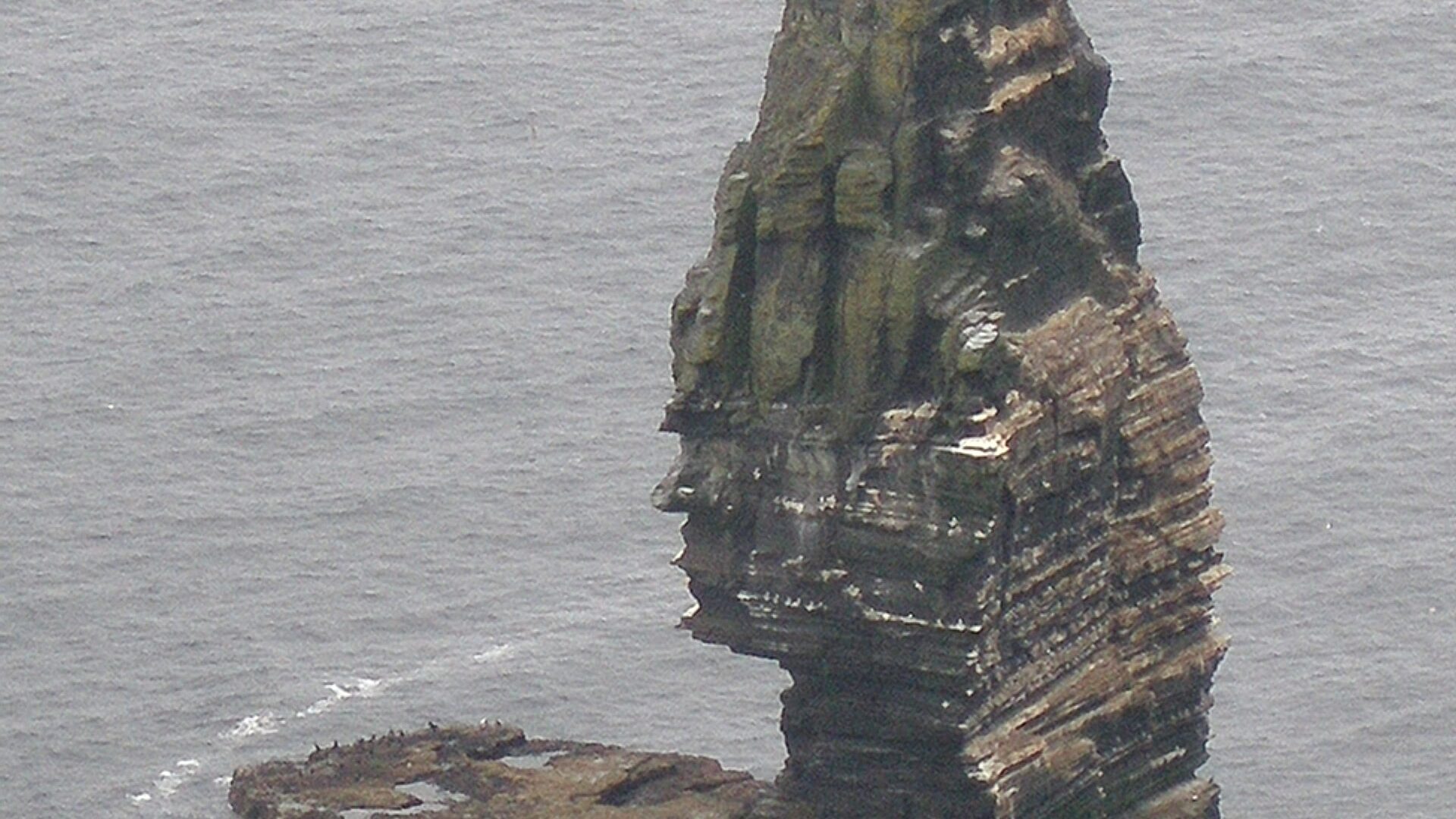
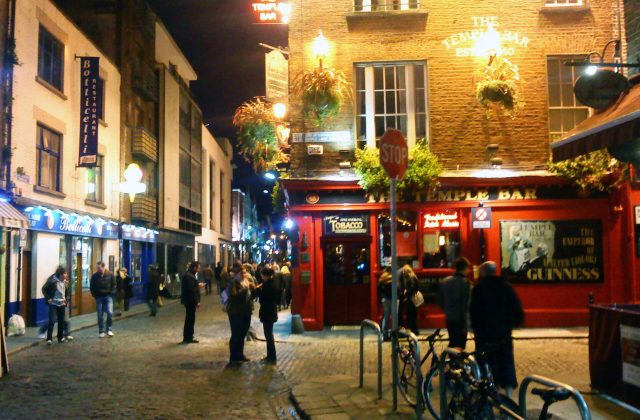
Dublin’s pubs, the Cliffs of Moher, and green countryside.
Ireland is small enough to drive across in a day and slow enough that you should not. The west — Donegal, Connemara, Clare, Kerry — is where the landscape does the work: cliffs, bog, limestone pavement and a coastline broken into peninsulas. Dublin is the entry point for most visitors and the least representative part of the country.
It is also, importantly for planning, not in the Schengen area, and it shares a Common Travel Area with the United Kingdom. The border with Northern Ireland is open and unmarked, which matters for currency and phone roaming rather than for passports.
Best Time to Visit
May, June and September are the best months: the longest daylight, the least rain, and the west accessible without the July and August crowds. June evenings stay light until well after ten.
July and August are warmest and busiest, with accommodation in Kerry and Galway booked well ahead.
October to April is wet, windy and mild rather than cold, with early darkness. It is much cheaper, the pubs are at their best, and the coast in a winter storm is genuinely dramatic. Some rural attractions and ferries to the islands close or reduce service.
St Patrick's Day in mid-March fills Dublin; the Galway Races in summer and the Rose of Tralee in August have the same local effect.
Weather & Climate
Ireland has a mild, wet, maritime climate with a small annual temperature range: frost and snow are occasional rather than seasonal, and genuinely hot days are rare.
Rain is frequent, usually light and passing rather than torrential, and it can arrive four times in a day with sun between. This is why the landscape is the colour it is and why waterproofs matter more than umbrellas, which the Atlantic wind destroys.
The west is considerably wetter and windier than the east; Dublin is one of the drier parts of the country. Coastal fog and low cloud can hide the cliff views that were the reason for the drive, so build flexibility into a coastal itinerary.
Map
Map data © OpenStreetMap contributors
Top Cities
Entry & Visa Guidance
Ireland is not in the Schengen area. A Schengen visa does not admit you, and time spent in Ireland does not count against a Schengen 90-day allowance. Many nationalities enter visa-free for tourism; others need an Irish visa applied for in advance.
Ireland and the United Kingdom form the Common Travel Area, so there are no routine immigration controls on the land border with Northern Ireland or on flights and ferries from Britain. Carry photographic identification anyway, as carriers require it.
Note two practical consequences of the open border: Northern Ireland uses pounds sterling while the Republic uses the euro, and crossing may change your mobile roaming zone mid-journey. If you plan to enter Northern Ireland, check whether you need a UK Electronic Travel Authorisation for your nationality, as the requirement applies separately.
Confirm your own nationality's position with the Irish immigration service before booking.
Getting There & Around
A car is close to essential for the west, the peninsulas and the national parks — public transport is thin outside the main corridors. Driving is on the left, rural roads are narrow with stone walls and hedgerows, and the R-numbered routes are often single-track with passing places.
Intercity trains connect Dublin with Cork, Galway, Limerick, Belfast and Sligo, radiating from the capital rather than linking regions to each other. Bus Éireann and private coach operators cover far more of the country and are inexpensive.
Ferries serve the Aran Islands, Skellig Michael (weather-dependent and strictly limited), Cape Clear and the Blaskets; sailings are cancelled in swell, so do not plan an island visit for your last day.
In Dublin, the Luas trams, DART coastal rail and buses all take contactless cards or the Leap card.
Approximate Travel Budget
Ireland is expensive: Dublin accommodation in particular is among the priciest in Europe, and restaurant and pub prices in tourist areas are high.
Where money goes: Dublin hotels, ticketed attractions such as the Book of Kells and the Cliffs of Moher visitor centre, and car hire in summer, which should be booked early.
What keeps it down: the carvery lunch in a pub — a hot plate of roast meat and vegetables at a fixed weekday price — which is the best-value meal in the country; B&Bs and farmhouse accommodation in rural areas, which are far cheaper than hotels and usually better; and the fact that the landscape, the coast roads, the beaches and most churches cost nothing.
Tipping is around ten per cent in restaurants and is not expected in pubs where you order at the bar.
Local Customs & Culture
Conversation is the national pastime and strangers talk easily: in shops, on buses, at bars. Brevity can read as coldness; a bit of chat before getting to the point is normal.
In pubs you order at the bar and pay as you go, and buying in rounds is a genuine social obligation in a group: skipping your turn is noticed. Tipping at the bar is not done.
Humour is dry, self-deprecating and often delivered deadpan, and slagging — affectionate mockery — is a sign of acceptance rather than hostility.
Irish (Gaeilge) is the first official language, appears on all signage, and is the community language in the Gaeltacht areas of Donegal, Connemara, Kerry and elsewhere. History, particularly around partition and the Troubles, is discussed with care; listen rather than pronounce.
Food
Irish food has improved out of recognition and rests on excellent dairy, beef, lamb and seafood. The traditional dishes worth seeking are done properly rather than ironically: bacon and cabbage, Irish stew, coddle in Dublin, and a full Irish breakfast with soda bread, black and white pudding.
Seafood is the strongest card: Galway and Carlingford oysters, Atlantic crab and lobster, smoked salmon, and chowder served with brown bread in almost every coastal village.
Brown soda bread, farmhouse cheeses from Cork and Tipperary, and butter with a genuine national reputation are the everyday pleasures.
Drink: stout served properly takes time to settle and should not be rushed; Irish whiskey distilleries offer tours; and tea is drunk in enormous quantities. Tap water is safe.
Safety & Travel Advice
Ireland is a safe country with low levels of violent crime. Petty theft occurs in central Dublin, and theft from parked cars at trailheads and beauty spots is the recurring complaint from visitors — leave nothing visible.
The genuine hazards are coastal and meteorological. Cliff edges are unfenced in most places, the ground is often undercut, and people die every year taking photographs too close to the edge. Atlantic swell can sweep people from rocks and slipways on apparently calm days.
Bog and mountain walking demands proper gear: weather changes fast, cloud descends, and phone coverage is patchy in the west. Sea swimming means cold water year-round and strong rips on many beaches.
Emergency services are on 112 or 999. Driving in rain on narrow roads at dusk is where most visitor accidents happen.
Useful Phrases
English is the everyday language; Irish is the first official language and the community language in Gaeltacht areas.
Dia duit - hello (literally God be with you). Slán - goodbye.
Go raibh maith agat - thank you. Sláinte - cheers, to your health.
Fáilte - welcome. Craic - fun, good company, atmosphere.
Irish English usage:
What's the story - what's happening, how are you.
Grand - fine, good, acceptable; the most useful word in the country.
Your man / your one - that person, whose name is not needed.
Deadly - excellent. Gas - funny.
Press - a cupboard. Messages - shopping errands.
Now - often signals that something is finished or ready, not the present moment.
Official Sources
Visa, entry, and safety information changes. Always verify with the official sources below before you travel.