Manila
Overview
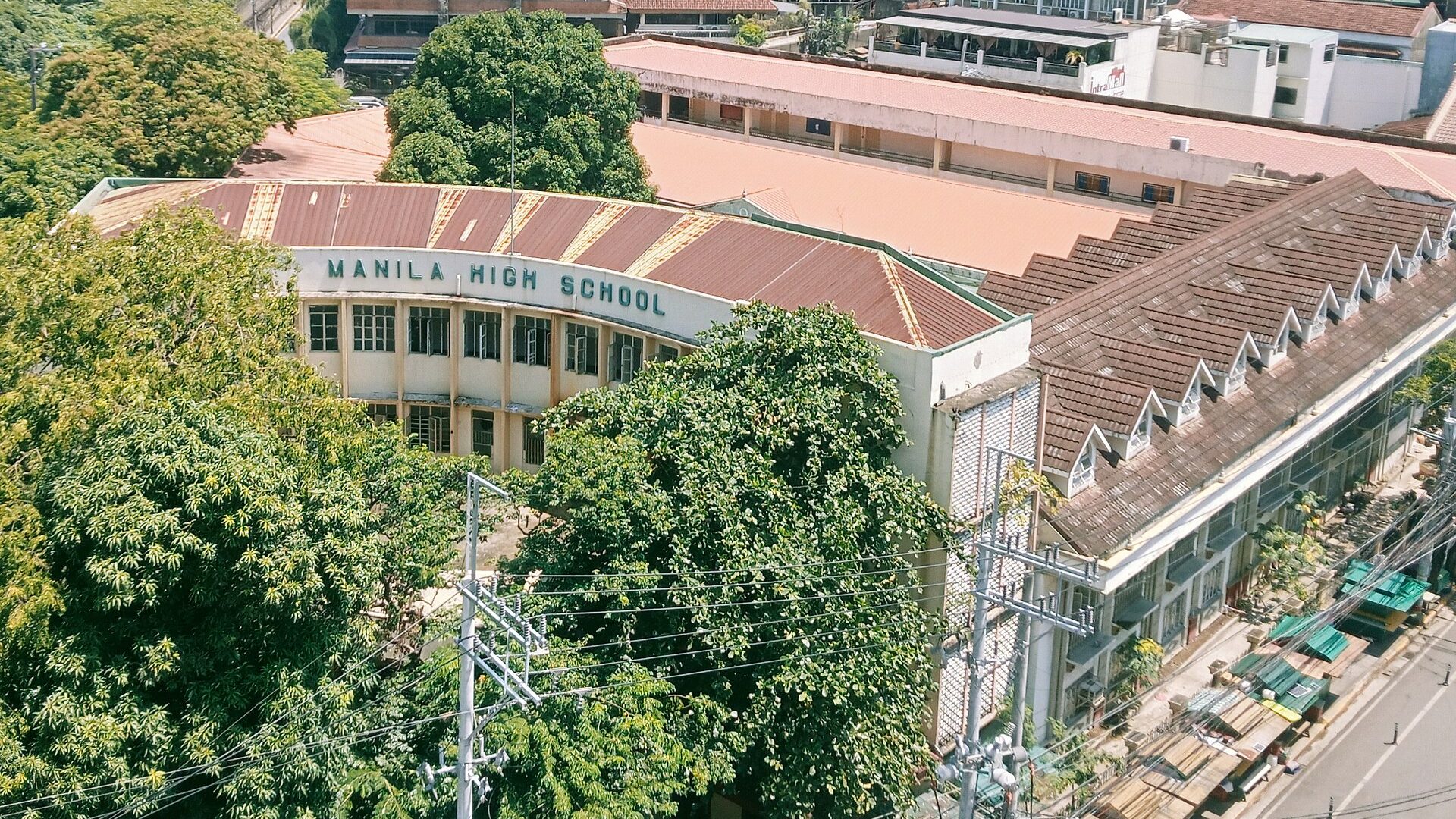
Manila proper is one of sixteen cities that make up Metro Manila, and most of what visitors do is spread across several of them: Intramuros and Binondo in Manila itself, Makati and Bonifacio Global City for business and restaurants, Quezon City for universities and government.
Intramuros is the Spanish walled city, founded in 1571, heavily destroyed in 1945 and partly restored since. Binondo, just north of it, is generally described as the oldest Chinatown in the world.
Traffic, heat and scale are the practical realities of the city, and they shape every itinerary.
Why Visit
Manila is where Spanish colonial, American and Southeast Asian influences are layered most visibly, and Intramuros and Binondo together make that history legible in a single day on foot.
It is also the entry point to the Philippines, and the place to eat Filipino food across its full regional range before heading to the islands.
Best Things to Do
- Intramuros. The walled city, best covered on foot or by the bamboo bicycles of local guided tours. Fort Santiago, the walls and the restored streets around Plaza San Luis.
- San Agustin Church. The oldest stone church in the country, completed in 1607, a UNESCO World Heritage site and the only Intramuros building to survive the 1945 battle largely intact.
- Manila Cathedral. Rebuilt several times, most recently in the 1950s, on the same site since the sixteenth century.
- Binondo. Chinatown, for the food more than the monuments: hopia, dumplings, lumpia and Chinese-Filipino cooking found nowhere else.
- The National Museum complex. Fine arts, anthropology and natural history in three neoclassical buildings near Rizal Park, all free to enter.
- Rizal Park (Luneta). The large park south of Intramuros, with the monument to José Rizal on the site of his execution.
- Manila Bay at sunset. The reason for the Roxas Boulevard promenade, and still the classic city view.
Map
Map data © OpenStreetMap contributors
Best Time to Visit
December to February is the best window: the coolest and driest part of the year, though still warm and humid by most standards.
March to May is the hot dry season and can be genuinely oppressive in the city.
June to November is the rainy season and the typhoon period, with the highest risk from roughly July to October. Flooding in parts of Metro Manila is common after heavy rain.
Holy Week, in March or April, empties the city as people travel home, which makes traffic unusually light but closes many businesses.
Where to Stay
Makati is the most practical base for most visitors: safe, walkable in parts, with the widest range of hotels, restaurants and malls, and good transport links.
Bonifacio Global City (BGC) is newer, cleaner and the most pedestrian-friendly district in the metro, though it feels little like the rest of the city.
Intramuros and Ermita put you next to the historic sites; Intramuros has a small number of atmospheric hotels, Ermita is mixed and requires more care at night.
Pasay, near the airport and the bay, suits short stopovers.
Neighborhoods
Intramuros: the Spanish walled city, with Fort Santiago, San Agustin and the cathedral.
Binondo: Chinatown north of the river, dense with food and commerce.
Ermita and Malate: near the bay, with the national museums, Rizal Park and older hotels.
Makati: the established business district, with malls, restaurants and the Ayala Museum.
Bonifacio Global City: planned, modern and walkable, with contemporary art and dining.
Quezon City: north-east, with universities, government offices and the Araneta district.
Transportation & Airports
Traffic is severe and unpredictable; distances of a few kilometres can take an hour. Plan around it rather than through it.
Ride-hailing apps are the simplest option for visitors. Jeepneys and tricycles are the local transport, cheap and part of the experience but hard to navigate without local knowledge.
The LRT and MRT elevated rail lines are cheap and avoid traffic entirely on the routes they cover, but are crowded and do not reach everywhere.
Ninoy Aquino International Airport (MNL) has several terminals that are not all easily connected; check which terminal your flight uses and allow generous time for transfers.
Food
Filipino food is sour, salty and sweet rather than chilli-hot. Adobo (meat braised in vinegar, soy and garlic) is the national dish and varies by household.
Sinigang, a sour tamarind soup, and kare-kare, oxtail in peanut sauce with shrimp paste, are the other essentials. Lechon, whole roast pig, appears at every celebration.
Halo-halo, shaved ice with milk, beans, jelly and ube, is the dessert to have in the heat. Ube and pandan flavour the bakeries.
Binondo is the best eating in the city, and a guided food walk there is one of the better uses of a morning.
Day Trips
Tagaytay, around two hours south depending on traffic, looks down on Taal Lake and its volcano. Access to the volcano itself depends on current activity and official advisories.
Corregidor Island, at the mouth of Manila Bay, is a Second World War fortress island reached by ferry as a full-day tour.
Pampanga, north, is regarded as the culinary capital of the country and makes a good eating day.
Las Casas Filipinas de Acuzar in Bataan is a collection of relocated heritage houses, a long day or an overnight.
For beaches, the islands require a flight or a long bus and ferry combination; they are not day trips.
Budget
Manila is inexpensive for food and local transport, and moderate for accommodation, with Makati and BGC hotels priced above the rest of the city.
Street food, carinderias (small canteens) and mall food courts all cost very little. The national museums are free. The main costs are ride-hailing across a very spread-out metro area, and any organised day tour.
Travel Tips
Plan around traffic, not distance. Two appointments in different districts in one day is ambitious.
Use ride-hailing apps rather than hailing taxis, which often refuse the meter.
Check your airport terminal. NAIA's terminals are separate and transferring between them takes time and a vehicle.
Watch the weather in typhoon season. Flooding closes roads quickly, and domestic flights are cancelled routinely during storms.
Keep valuables out of sight in crowded areas and on public transport, and take normal precautions at night, particularly around Ermita and Malate.
Frequently Asked Questions
How many days do I need in Manila
Two days cover Intramuros, Binondo and the national museums. Most travellers use Manila as an entry point and spend the rest of their time in the islands.
Is Manila worth visiting
For the history in Intramuros, the food in Binondo and the museums, yes, for a day or two. It is a demanding city and is not the reason most people come to the Philippines.
How bad is the traffic
Bad enough to be the main constraint on any itinerary. Use elevated rail where it goes, and cluster activities by district.
When is the typhoon season
Roughly June to November, with the highest risk between July and October. Check forecasts and allow flexibility in domestic travel plans.
Plan your trip to Manila
Free tools for flight times, time differences, budget, money and plugs.
- Flight Duration CalculatorWork out real flight time across time zones.
- Time Zone ConverterFind the time in another city instantly.
- Trip Budget CalculatorEstimate your total trip cost, item by item.
- Currency ConverterConvert prices between currencies at indicative rates.
- Travel Plug & Voltage CheckerCheck if you need a plug adapter or voltage converter.
- Jet Lag CalculatorEstimate how many days you need to beat jet lag.