
Cancún & the Riviera Maya
Overview
Cancún sits at the northern tip of Mexico's Caribbean coast, and the Riviera Maya runs south from it through Playa del Carmen and Tulum to the Sian Ka'an reserve. They are usually sold as one destination and are not: Cancún is a purpose-built resort strip on a barrier island, while the coast south of it is a string of towns, cenotes, ruins and beaches.
The underlying geology explains most of what makes the region distinctive. The Yucatán Peninsula is limestone with no surface rivers; rainwater drains into an immense network of flooded caves. Where the roof collapses you get a cenote, and those sinkholes supplied the Maya with their only fresh water, which is why the ruins sit where they do.
Why Visit
Three things, and most visitors come for one and discover the others.
The Caribbean coast: warm, shallow, clear water along white sand, protected by the Mesoamerican Barrier Reef running offshore.
The Maya sites: Chichén Itzá, inscribed by UNESCO in 1988, was occupied for roughly a thousand years and blends Maya and Toltec traditions — El Castillo, the Great Ball Court, the Temple of the Warriors, and El Caracol, a circular stellar observatory named for its spiral staircase. Tulum's smaller site is dramatic for its clifftop position; Cobá sits inland in forest; Ek Balam is quieter than all of them.
The cenotes: swimming and diving in freshwater caves, which is the region's genuinely unique experience and the one most package visitors miss.
Top Experiences
- Chichén Itzá early. The site opens before the tour buses arrive from the coast, and the first hour is a completely different visit. El Caracol, the observatory, repays more attention than it usually gets.
- A cenote, or several. They range from open pools to fully enclosed caverns. Gran Cenote and Dos Ojos near Tulum are the famous ones; dozens of less-visited cenotes line the road inland toward Valladolid.
- Snorkelling or diving the reef off Puerto Morelos or Cozumel. Cozumel's drift diving is among the best in the Caribbean.
- Sian Ka'an Biosphere Reserve, south of Tulum: lagoons, mangrove channels and birdlife, reached by boat with authorised operators.
- Valladolid. A colonial town inland, an hour from the coast, that gives a sense of Yucatán beyond the resorts, with far better food at a fraction of coastal prices.
- Isla Mujeres or Holbox. Short ferry rides to islands with a slower pace; Holbox is sandy-streeted and car-free in its centre.
Map
Map data © OpenStreetMap contributors
Best Time to Visit
December to April, the dry season and outside peak hurricane risk.
Where to Stay
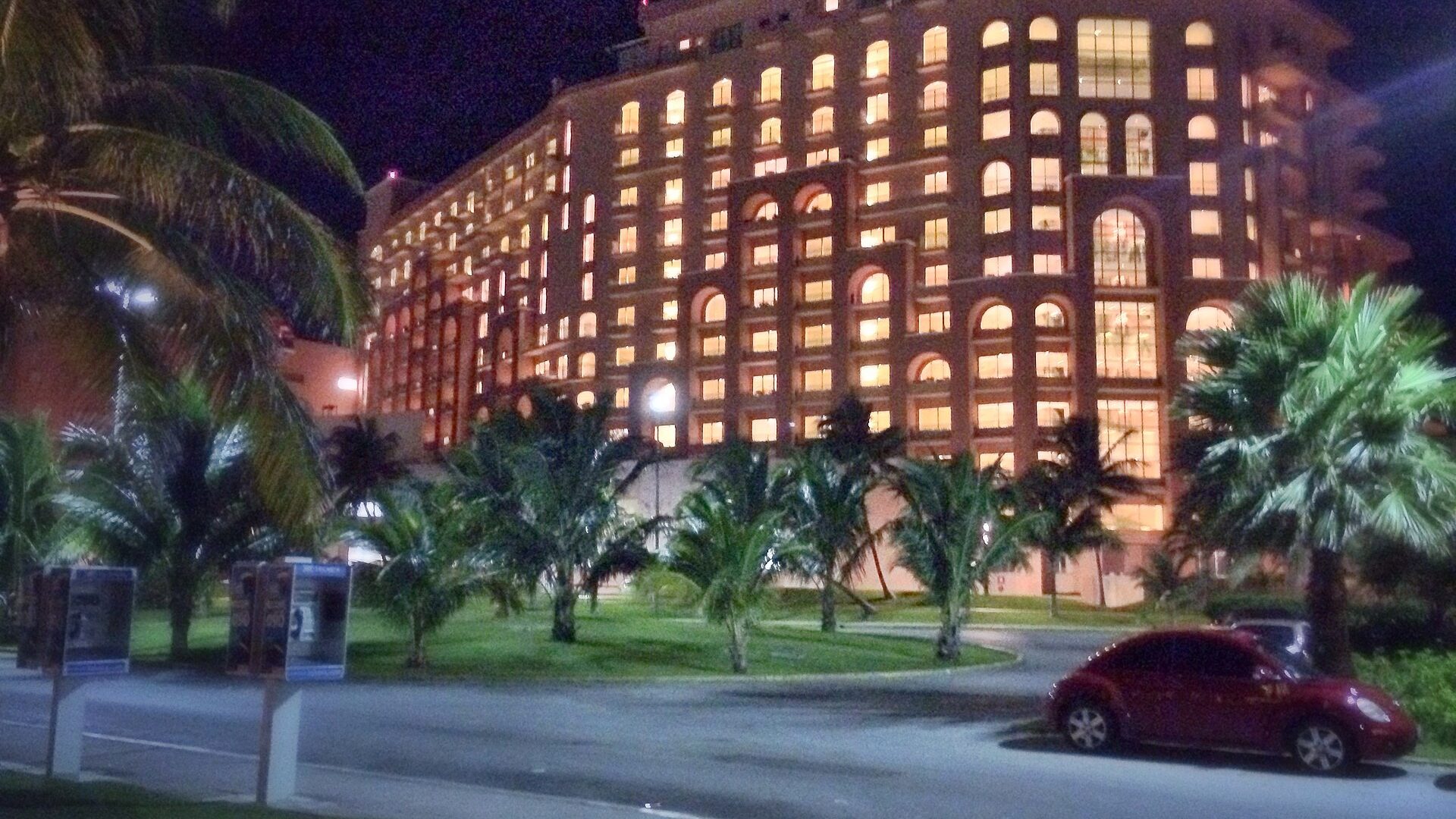
Cancún Hotel Zone: large resorts, reliable beaches, all-inclusive formats, no walkable town. Good for a straightforward beach week, limited for anything else.
Cancún Centro: the actual city, far cheaper, real restaurants, no beach at the door.
Playa del Carmen: the middle ground, walkable, with a beach, a wide range of accommodation and ferries to Cozumel.
Tulum: split between a pueblo with normal prices and a beach road that is among the most expensive strips in Mexico. Check which one your accommodation is on — they are several kilometres apart.
Puerto Morelos: a small fishing town between Cancún and Playa, quieter than both, with the reef close inshore. Valladolid: inland, colonial, cheap and an excellent base for the ruins.
Getting There
Cancún International Airport (CUN) is the second-busiest in Mexico, with direct flights from across North America, Europe and Latin America. It is the entry point for the whole coast.
Tulum's newer airport (TQO) serves the southern end and can be a better arrival point if you are heading straight there. Cozumel has its own airport and is otherwise reached by ferry from Playa del Carmen.
From Cancún airport, ADO runs frequent, comfortable and inexpensive coaches to Playa del Carmen and Tulum. Shared shuttles and private transfers are widely available. Ignore anyone who approaches you inside the terminal offering transport or "free" transfers — timeshare touting at the airport is persistent and well documented.
Getting Around
ADO buses link every town along Highway 307 frequently and cheaply, and are the default for getting between Cancún, Playa del Carmen and Tulum.
Colectivos: shared vans — run the same route, stopping anywhere along it, and are the cheapest way to reach cenotes and beaches between towns.
A rental car is worth it for inland trips to Valladolid, Cobá, Ek Balam and the less-visited cenotes, which are awkward without one. Be aware that Mexican liability insurance is compulsory and is not covered by most foreign credit-card policies; budget for it rather than being surprised at the desk.
Within Cancún, the Hotel Zone is a single 22 km strip served by cheap local buses running its length to the city centre, where most residents live and eat.
Food & Culture
Yucatecan cooking is distinct from central Mexican food and worth seeking out specifically. Cochinita pibil (pork marinated in achiote and sour orange, slow-cooked underground), sopa de lima, panuchos and salbutes are the dishes; habanero is the chilli, usually served alongside rather than cooked in. The best versions are inland and in the towns rather than on the resort strip.
The Maya presence is contemporary, not only archaeological: Yucatec Maya is widely spoken in the interior, and the region's culture is its own rather than a version of Mexico City's. Visiting Valladolid or a village near Cobá makes that obvious in a way the coast does not.
Budget
The range is enormous. All-inclusive resorts in Cancún and boutique hotels on the Tulum beach road sit at one end; Cancún Centro, Valladolid and the pueblo side of Tulum at the other, at a small fraction of the cost.
Main drivers: which side of each town you sleep on, whether you use organised tours or public buses and colectivos, and whether you eat on the resort strip or in town. Cenote entry fees and ruins admission are modest. Car hire looks cheap until compulsory liability insurance is added, so compare the total rather than the headline rate.
Important Notes
Sargassum. Since the mid-2010s, mats of brown seaweed have washed onto the Caribbean coast, typically heaviest from roughly April to August, varying year to year and beach to beach. It can make swimming unpleasant and smells as it decomposes. Resorts clear their sections daily; public beaches vary. If beach quality is the priority, check recent conditions rather than relying on photographs.
Cenote etiquette. Shower before entering and do not wear sunscreen or insect repellent in the water — these systems are closed and the chemicals stay in them. Most cenotes enforce this.
Timeshare touting is aggressive at the airport and in resort areas, often disguised as free transport or discounted tours. Book transfers in advance.
Hurricane season runs June to November, peaking around September. Travel insurance covering weather disruption is sensible in those months.
Heat and sun are stronger than most visitors expect, and the ruins offer almost no shade. Visit archaeological sites early.
Itinerary Suggestions
Five days, coast only. Base in Playa del Carmen. Beach days, one cenote day, one day at Tulum ruins plus a cenote on the way back.
Eight days, coast and interior. Three nights Playa del Carmen or Puerto Morelos, two nights Valladolid for Chichén Itzá and Ek Balam without the bus crowds, three nights Tulum for the beach and Sian Ka'an.
Ten days plus. Add Cozumel for diving or Holbox for a slower few days at the end.
The single best structural decision is sleeping inland for Chichén Itzá. Staying in Valladolid the night before lets you arrive at opening, which is a genuinely different experience from arriving at eleven with everyone else.
Frequently Asked Questions
Is Cancún the same as the Riviera Maya?
No. Cancún is a purpose-built resort strip on a barrier island. The Riviera Maya is the coast running south through Playa del Carmen to Tulum, with towns, cenotes and ruins. They suit different trips.
What is sargassum and when is it worst?
Brown seaweed that washes ashore on the Caribbean coast, typically heaviest around April to August and varying by year and beach. Resorts clear their sections; public beaches vary.
How do I visit Chichén Itzá without the crowds?
Stay inland in Valladolid the night before and arrive at opening. Day tours from the coast reach the site late morning, which is when it fills.
Do I need a car?
Not for the coastal towns — ADO buses and colectivos cover Highway 307 cheaply and frequently. A car helps for inland cenotes, Cobá and Ek Balam. Factor in compulsory Mexican liability insurance.
Can I wear sunscreen in a cenote?
No. Shower first and go in without sunscreen or repellent. Cenotes are closed freshwater systems and most sites enforce this.
When is hurricane season?
June to November, peaking around September. Consider insurance covering weather disruption in those months.
Which is better for a first visit, Playa del Carmen or Tulum?
Playa del Carmen is more walkable, better connected and better value. Tulum has the more striking beach and the ruins, but its beach road is expensive and several kilometres from the town.
Sources
Last reviewed: September 14, 2026