🇪🇸 Spain
Barcelona, Madrid, Andalusia, and a legendary late-night culture.
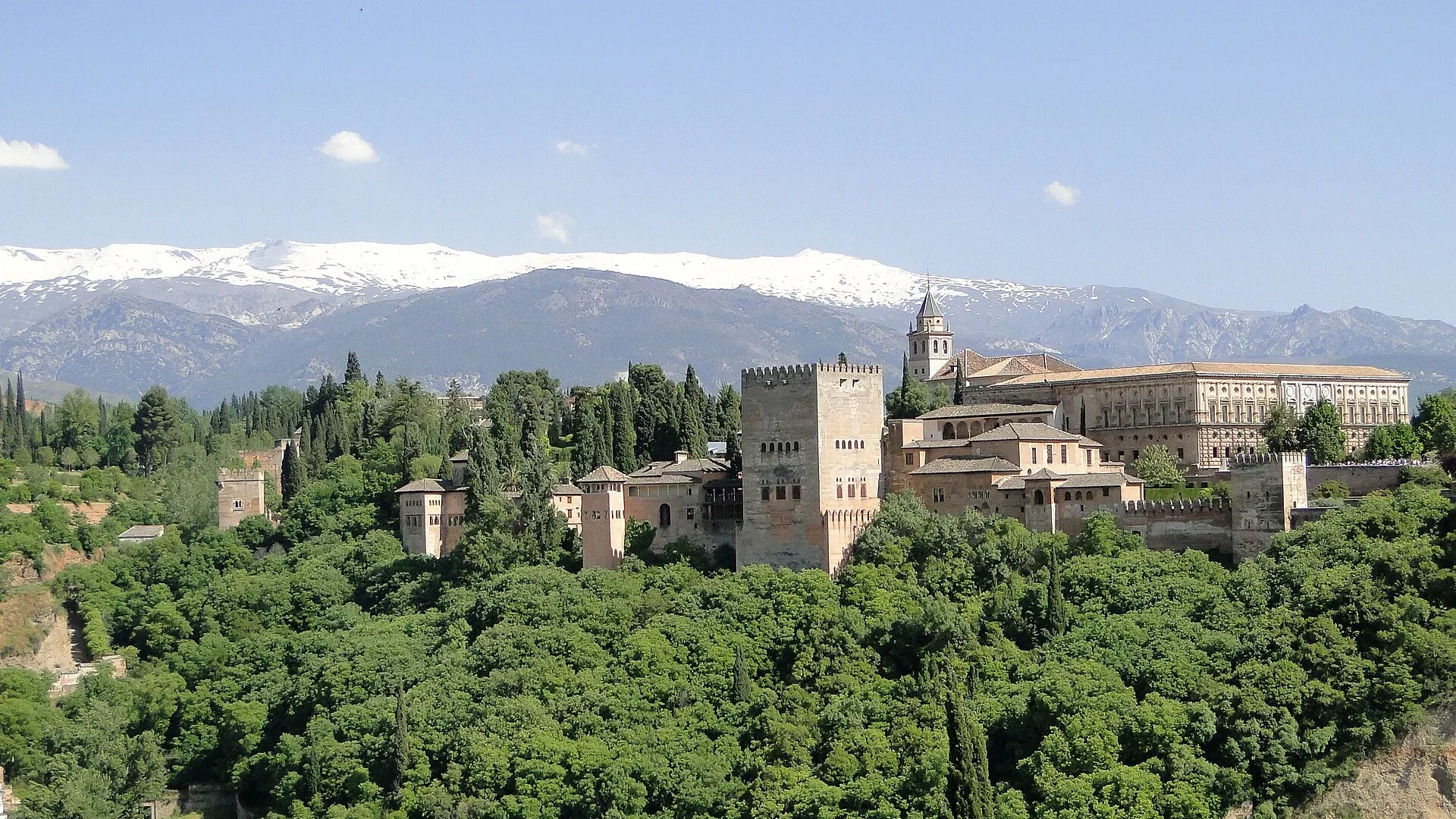
Spain is a country of strong regional identities, several of them with their own language, and the differences are not decorative. Galicia is Atlantic, green and Celtic-influenced; Andalusia carries eight centuries of Al-Andalus in its architecture and its music; Catalonia and the Basque Country have distinct languages, food cultures and politics.
It is also a country organised around late hours and public space. Dinner at ten, children in the square at midnight in summer, and a long midday pause in smaller towns are not quirks to be worked around but the structure of the day.
Best Time to Visit
April to June and September to October are the best periods nationwide: warm, long days, and none of the August extremes.
July and August are very hot inland, where Madrid, Seville and Córdoba regularly become uncomfortable in the middle of the day, while the northern coast stays mild. It is also when Spaniards take their own holidays, so the coast is full and inland cities empty out.
Winter is mild and pleasant in Andalusia and on the Canary Islands, cold and clear in the central plateau, and wet in the north. It is the cheapest and quietest time for the cities, and the season for the Sierra Nevada and the Pyrenees.
Two things to plan around: Semana Santa in the week before Easter, when Andalusian cities are extraordinary and fully booked, and regional fiestas such as Las Fallas in Valencia in March and the Feria in Seville in spring.
Weather & Climate
Spain has three broad climates. The Atlantic north (Galicia, Asturias, Cantabria, the Basque Country) is green, mild and genuinely rainy in all seasons. The central plateau has a continental climate, with cold winters and very hot, dry summers, because it sits high and far from the sea. The Mediterranean coast and Andalusia are hot and dry in summer, mild in winter.
The Canary Islands, off the African coast, are subtropical and warm year-round, which is why they operate as a winter destination on a different calendar from the mainland. The interior of the southeast, around Almería, is semi-arid and the driest part of continental Europe.
Map
Map data © OpenStreetMap contributors
Top Cities
Entry & Visa Guidance
Spain is in the Schengen area. Visa-exempt visitors may generally stay up to 90 days in any 180-day period, counted across all Schengen countries combined rather than per country.
The Entry/Exit System (EES): biometric registration at the external border in place of passport stamps, has been fully operational across all Schengen countries since 10 April 2026. ETIAS, the pre-travel authorisation for visa-exempt nationalities, is scheduled to start in the last quarter of 2026, with the exact date to be communicated officially; it is not required yet.
The Canary Islands and the Balearics are part of Spain and of Schengen, so no separate entry formality applies. Ceuta and Melilla have their own arrangements at the land border with Morocco. Check the European Commission's official travel pages close to departure, since the ETIAS timetable has shifted more than once.
Getting There & Around
Spain has one of the largest high-speed rail networks in the world, and it is the best way to cover the country: Madrid to Seville, Barcelona or Valencia are all short journeys. Several operators now compete on the main routes, so advance fares can be very low; book ahead, as walk-up prices are not.
Buses are cheaper and reach the towns the trains miss, and the network is comprehensive. A car is worthwhile for Andalusian white villages, the Picos de Europa, Extremadura and rural Catalonia, and a nuisance in the cities, many of which have low-emission or restricted zones in the centre.
City transport is good and cheap, with metro systems in Madrid, Barcelona, Valencia, Seville and Bilbao. Ferries link the mainland to the Balearics and to Morocco; the Canaries are reached by air.
Main Airports
Major Airlines
Approximate Travel Budget
Spain is among the better-value countries in western Europe. Eating and drinking are inexpensive (the weekday menú del día, a multi-course lunch with bread and a drink at a fixed price, is the single best value in the country) and public transport is cheap.
Accommodation is the main variable: coastal resorts in August and Seville during Semana Santa or the Feria cost several times their normal rate, while inland cities in winter are very cheap.
Note that free tapas with a drink are a regional custom, not a national rule: common in Granada and León, rare in Barcelona and Madrid. Tipping is minimal, usually rounding up rather than a percentage.
Local Customs & Culture
The clock is the thing to adjust. Lunch is from about two and is the main meal; dinner rarely starts before nine, and restaurant kitchens genuinely close in between. In smaller towns many shops shut for several hours in the afternoon.
Greetings are two kisses between women and between a man and a woman socially, a handshake in formal settings. Speech is loud and direct without being rude, and interruption in conversation is normal rather than hostile.
Regional language matters. Catalan, Basque, Galician and Valencian are co-official in their regions and are the everyday language for many residents; treating them as dialects of Spanish is the quickest way to cause offence. A greeting in the local language is noticed.
Tapas are a way of eating rather than a dish: several bars, one or two small plates at each, standing at the counter.
Food
Spanish food is regional to the point where the national dishes barely exist. Paella is Valencian and is a lunch dish, traditionally with rabbit and beans rather than mixed seafood. Gazpacho and salmorejo are Andalusian and seasonal. Pintxos (small plates pinned to bread on a bar counter) are Basque. Galicia does octopus and shellfish; Asturias does cider and bean stew; Castile does roast lamb and suckling pig.
Jamón ibérico, particularly the acorn-fed bellota grade, is a serious product with legal denominations, as are the cheeses and the olive oils. Wine regions worth knowing beyond Rioja include Ribera del Duero, Priorat, Rías Baixas and the sherry triangle around Jerez.
Practical notes: the menú del día at lunch is exceptional value; a restaurant with a photo menu near a monument is not where to eat; and vermouth before Sunday lunch is a living tradition rather than a revival.
Safety & Travel Advice
Spain is a safe country with low violent crime. Pickpocketing and bag-snatching are the real issue and are concentrated in Barcelona, Madrid and Seville: on the metro, on the Rambla, around major monuments and at beach fronts where bags are left unattended.
Summer heat is the other significant risk, and heatwaves in the interior and the south now regularly reach dangerous levels; official warnings are issued by the national meteorological agency.
On the coast, follow the beach flag system, and be aware that Atlantic beaches in the north and southwest have stronger currents than the Mediterranean ones. Emergency services across Spain are reached on the European number 112.
Useful Phrases
Spanish is the national language; Catalan, Basque, Galician and Valencian are co-official in their regions.
Hola - hello. Buenos dias / Buenas tardes / Buenas noches - good morning / afternoon / night.
Por favor - please. Gracias - thank you. De nada - you're welcome.
Perdone - excuse me. Lo siento - I'm sorry.
La cuenta, por favor - the bill, please.
Cuanto cuesta - how much is it.
Una cana - a small draught beer. Un vino tinto - a red wine.
Donde esta el bano - where is the toilet.
No entiendo - I don't understand. Habla ingles - do you speak English.
Official Sources
Visa, entry, and safety information changes. Always verify with the official sources below before you travel.
Plan your trip to Spain
Free tools for flight times, time differences, budget, money and plugs.
- Flight Duration CalculatorWork out real flight time across time zones.
- Time Zone ConverterFind the time in another city instantly.
- Trip Budget CalculatorEstimate your total trip cost, item by item.
- Currency ConverterConvert prices between currencies at indicative rates.
- Travel Plug & Voltage CheckerCheck if you need a plug adapter or voltage converter.
- Jet Lag CalculatorEstimate how many days you need to beat jet lag.