Bucharest
Overview
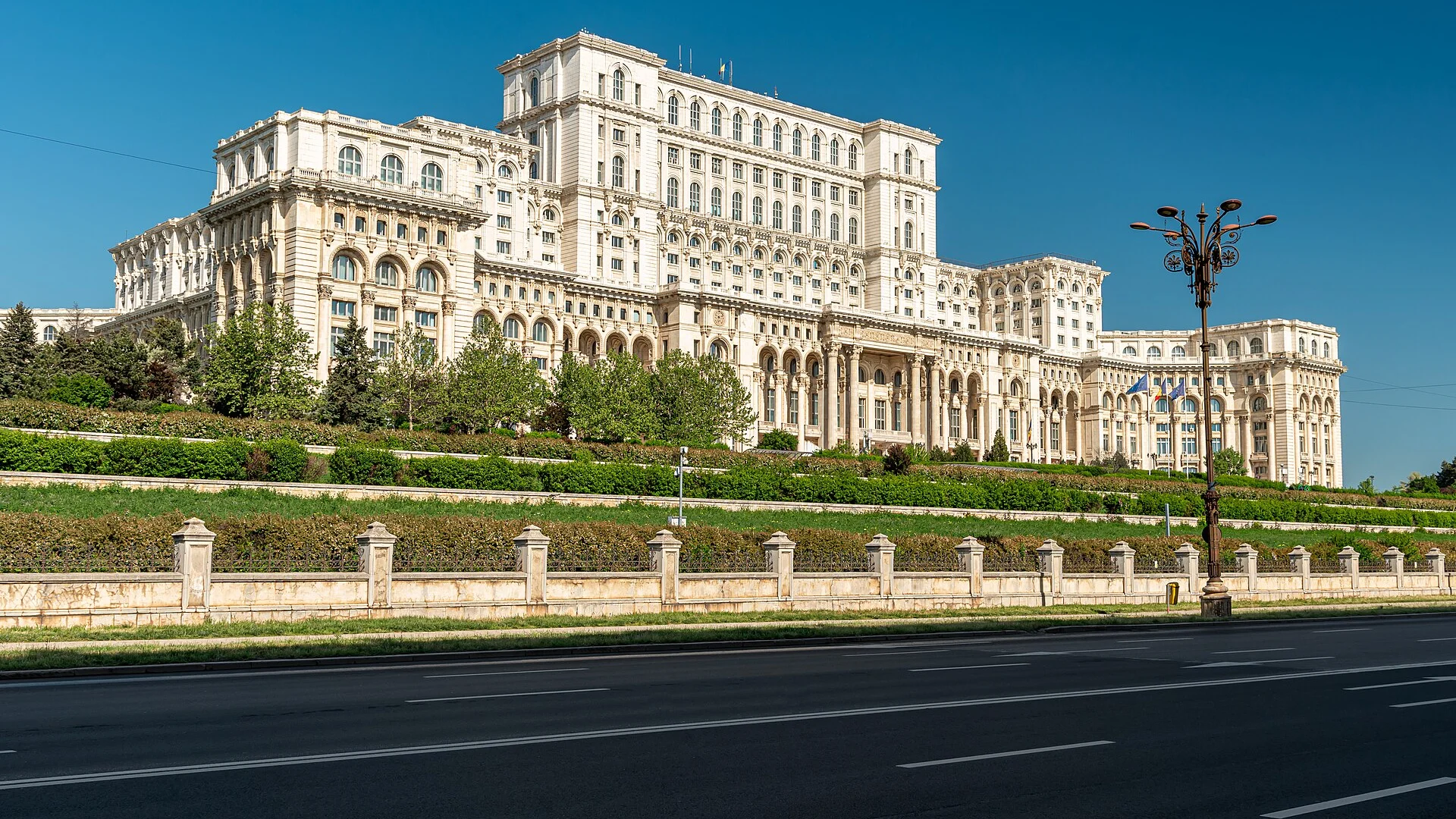
Once nicknamed “Little Paris” for its French-inspired architecture, Bucharest was heavily reshaped in the 1980s, when whole neighbourhoods were cleared for the Palace of the Parliament and the grand Boulevard of the Unification. The result is a layered city where a 17th-century monastery courtyard can sit a few steps from a socialist-era apartment block.
Today the capital of Romania is energetic and increasingly creative, with independent cafés, galleries, large parks and a restaurant scene that ranges from traditional beer halls to ambitious modern kitchens. It is also the main gateway to the Carpathians and Transylvania, a short train ride away.
Why Visit
Bucharest offers big-city culture at prices well below most EU capitals. Its museums tell the story of Romania from village life to the 1989 revolution, its parks and lakes fill with locals on summer evenings, and its old churches reward slow wandering. It is also an easy base for day trips to palaces, monasteries and the mountains.
Best Things to Do
- Palace of the Parliament. One of the largest administrative buildings in the world, visited on guided tours only; book ahead by phone and bring your physical passport or ID card, which is checked at security.
- Village Museum. An open-air museum in King Michael I Park gathering farmhouses, windmills and wooden churches from across Romania – a perfect introduction before heading to the countryside.
- Romanian Athenaeum. The domed concert hall on Calea Victoriei is the city's most beloved landmark; catch a concert by the George Enescu Philharmonic if you can.
- Calea Victoriei. Walk the historic avenue past the former Royal Palace (now the National Museum of Art of Romania), Revolution Square and grand old hotels.
- Old Town and Stavropoleos. The lanes around Lipscani are full of bars and terraces, but seek out the tiny Stavropoleos Monastery church, with its carved stone and quiet courtyard.
- Cărturești Carusel. A restored 19th-century building turned into a white, multi-level bookshop – one of the city's most photographed interiors.
- Parks and lakes. Cișmigiu Gardens in the centre and the lakeside King Michael I Park in the north are where Bucharest relaxes, with rowing boats and terraces in summer.
Map
Map data © OpenStreetMap contributors
Best Time to Visit
April–June and September–October are ideal, with mild temperatures, blossom or autumn colour in the parks, and plenty of outdoor terraces open. July and August can be very hot, though evenings in the parks are lively. Winters are cold and sometimes snowy, brightened by Christmas markets.
Where to Stay
For a first visit, stay between Piața Romană, Calea Victoriei and Piața Universității: central, walkable and well served by the metro. The Old Town puts you next to the bars but can be noisy at night. For a calmer, more residential feel with good restaurants, look at Dorobanți and the streets around Piața Amzei. Accommodation ranges from hostels and apartments to international chain hotels and restored mansions.
Neighborhoods
Old Town (Centrul Vechi): cobbled lanes around Lipscani with bars, terraces and historic churches; busiest at weekends.
Calea Victoriei and Piața Revoluției: the cultural spine, with the Athenaeum, the National Museum of Art and grand 19th-century buildings.
Cotroceni: a quiet quarter of villas around the presidential palace and the botanical garden.
Dorobanți and Floreasca: upmarket residential areas with cafés, restaurants and easy access to the northern parks.
Unirii and the Civic Centre: monumental boulevards and fountains leading to the Palace of the Parliament.
Transportation & Airports
Henri Coandă International Airport (Otopeni) lies north of the city. Direct trains run to Bucharest Nord station in about 20–25 minutes, with a standard single ticket costing 6.50 lei (fare checked October 2026); tickets are sold at machines, online, in the CFR app and by contactless card on board. Express bus 100 links the airport with the city centre.
In town, the metro run by Metrorex is the fastest way to cover distance, complemented by buses, trams and trolleybuses. Ride-hailing apps such as Bolt and Uber are widely used and avoid taxi overcharging. Bucharest Nord is also the hub for trains to Sinaia, Brașov and the rest of Romania.
Food
Try Romanian classics – ciorbă (soured soup), sarmale with polenta, grilled mici and papanași for dessert – in one of the city's historic beer halls or traditional restaurants. Bucharest also has a growing number of modern bistros reworking local produce, plus good Lebanese, Turkish and Italian options. Markets such as Piața Obor show the city's appetite for seasonal produce, cheese and cured meats.
Day Trips
Mogoșoaia Palace, just north-west of the city, is a graceful brick palace in the Brâncovenesc style set in lakeside gardens. Snagov Monastery, on an island in a lake north of Bucharest, is linked by legend to Vlad the Impaler.
By train from Bucharest Nord, the mountain resort of Sinaia, home to the ornate Peleș Castle, and the Saxon city of Brașov make long but rewarding day trips; staying overnight lets you add Bran or the Carpathian trails. See our Romania guide for travelling further.
Budget
Bucharest is good value by European standards. Public transport is inexpensive, mid-range restaurants are affordable and museums are cheap to enter. As a reference, the standard guided tour of the Palace of the Parliament costs 85 lei for an adult and the airport train 6.50 lei (prices checked October 2026). Cards are accepted almost everywhere in the centre; keep a little cash in lei for markets and small cafés.
Travel Tips
Bring physical ID. The Palace of the Parliament only accepts an original passport or ID card – driving licences and photos on your phone are refused.
Use apps for taxis. Ride-hailing apps avoid the overcharging that UK advice warns about with some taxis.
Watch your belongings. Pickpockets work around Gara de Nord, on busy transport and near exchange offices.
Check card payments. Keep your card in sight in bars and late-night venues.
Dress for churches. Cover shoulders and knees in Orthodox churches and monasteries.
Frequently Asked Questions
How many days do I need in Bucharest?
Two to three days cover the main sights, including the Palace of the Parliament, the Village Museum and Calea Victoriei; add a day for Mogoșoaia or a trip to Sinaia.
How do I get from the airport to the city centre?
Direct trains run from Henri Coandă Airport to Bucharest Nord in about 20–25 minutes, and express bus 100 links the airport with the centre. Ride-hailing apps are another easy option.
Do I need to book the Palace of the Parliament?
Yes, small groups book by phone at least 24 hours ahead, and you must bring an original passport or ID card for the security check.
Is Bucharest safe for tourists?
Generally yes. The main risks are pickpocketing and taxi overcharging, so watch your belongings in crowded places and use ride-hailing apps.
Can I pay in euros?
The currency is the Romanian leu. Cards are widely accepted, but prices are in lei and euros are rarely accepted for everyday purchases.
Plan your trip to Bucharest
Free tools for flight times, time differences, budget, money and plugs.
- Flight Duration CalculatorWork out real flight time across time zones.
- Time Zone ConverterFind the time in another city instantly.
- Trip Budget CalculatorEstimate your total trip cost, item by item.
- Currency ConverterConvert prices between currencies at indicative rates.
- Travel Plug & Voltage CheckerCheck if you need a plug adapter or voltage converter.
- Jet Lag CalculatorEstimate how many days you need to beat jet lag.