
7 Days in Japan: Tokyo, Mount Fuji, and Kyoto
Seven days is tight for Japan, but this route works because it follows the country’s own rail geography rather than fighting it: Tokyo first, a Mount Fuji detour, then Kyoto, with Osaka available as an easy add-on if there’s time at the end.
Day-by-Day Plan
Day 1: Arrive Tokyo. Settle in, ideally near Shinjuku or Asakusa for easy onward travel. Keep the first evening light after a long flight.
Day 2: Asakusa and Shibuya. Visit Senso-ji before 9am to see it before tour groups arrive, then cross to Shibuya for the famous crossing and a different side of the city entirely.
Day 3: Tsukiji Outer Market and a neighborhood evening. Browse the market stalls in the morning, then follow Tokyo's own advice to explore a different neighborhood each evening; Akihabara or Ginza both work well here.
Day 4: To the Mount Fuji region. The highway bus from Shinjuku to Kawaguchiko takes around 2 hours, traffic depending, with no transfers needed. Plan to stay the night rather than day-tripping; Fuji hides behind cloud often enough that a single afternoon gives poor odds of a clear view, even when Tokyo itself looks clear that day.
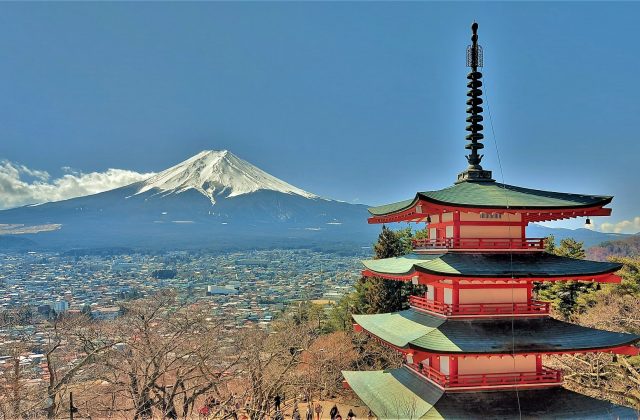
Day 5: Fuji Five Lakes, then on to Kyoto. Spend the morning at Kawaguchiko's lakeside viewpoints (the Chureito Pagoda view is the classic shot). There's no direct train from Kawaguchiko to Kyoto; backtracking to Tokyo first is the simplest connection, where the Shinkansen to Kyoto takes about 2 hours 15 minutes. A bus-and-train route via Mishima Station skips Tokyo but requires a specific Hikari service and isn't meaningfully faster once the connecting bus is factored in.
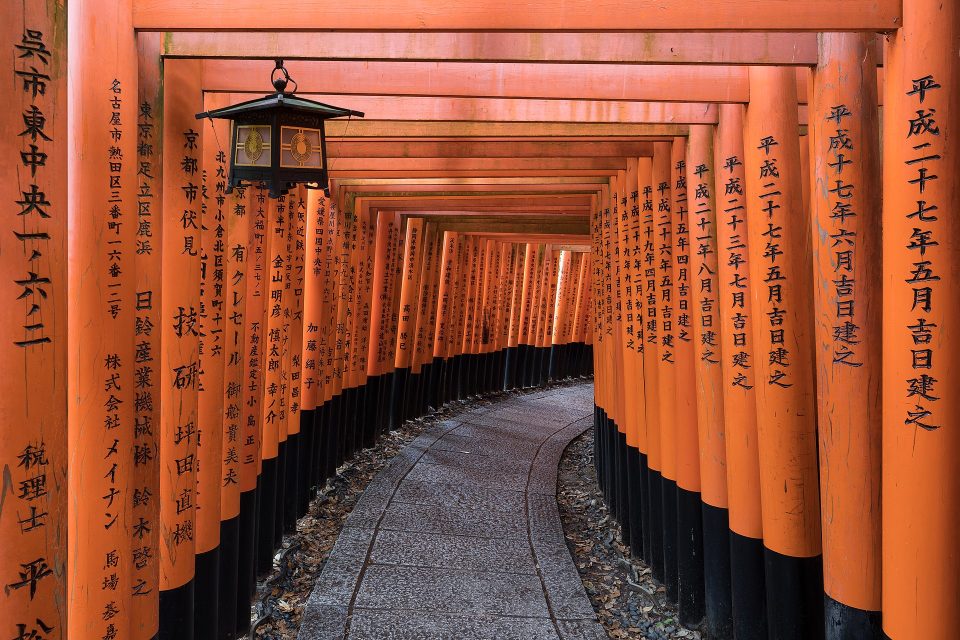
Day 6: Kyoto. Start at Fushimi Inari Shrine at dawn to beat the crowds, then spend the afternoon in Arashiyama's bamboo grove and Tenryu-ji.
Day 7: Nara or Osaka, then departure. Nara (about 45 minutes from Kyoto, known for its free-roaming deer and Todai-ji) or Osaka (15-45 minutes depending on the train) both work as a half-day before flying out; Osaka's Kansai Airport is the more common departure point if you go that way instead of back through Tokyo.
Before You Go
- A Japan Rail Pass can be worthwhile for this route depending on current pricing versus individual Shinkansen tickets; compare both before deciding, since pass value depends on exact fares that change over time.
- Use the Flight Duration Calculator for your inbound flight and the Time Zone Converter to plan calls home around the time difference.
- Carry cash: some traditional restaurants, ryokan, and smaller shops remain cash-only even though Japan is generally card-friendly in cities.
- Cherry blossom (late March-April) and autumn foliage (November) weeks are the most beautiful but also the most crowded and expensive; build in extra budget and book accommodation earlier if traveling then.
Featured on This Route

Sources & Last Reviewed
Route timing draws on FANOUSS's own Tokyo, Mount Fuji Region, and Kyoto guides. Verify current Shinkansen timetables and fares with JR's official sites before booking, and check the Kawaguchiko bus schedule directly, since regional bus frequency can change seasonally.
Facts last reviewed: September 2026.