
Miami
Overview
Miami is two things at once: a subtropical beach city and the commercial and cultural capital of the Latin American diaspora in the United States. Spanish is heard as often as English, and a majority of residents were born outside the country or to parents who were.
The geography confuses first-time visitors. Miami Beach is a separate city on a barrier island, connected by causeways; the mainland holds downtown, Brickell, Little Havana, Wynwood and Coconut Grove. Choosing which side to stay on shapes the whole trip.
Why Visit
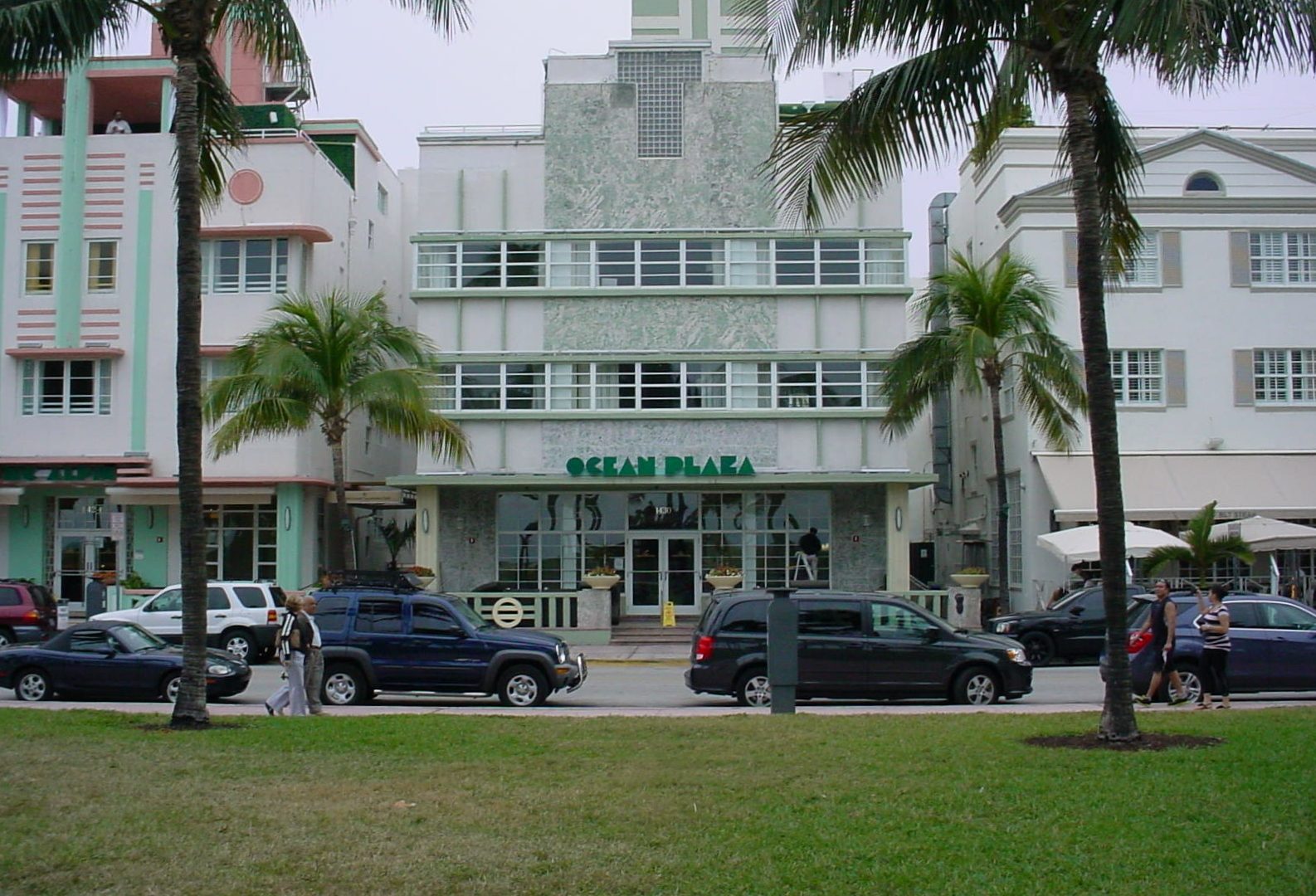
The combination is unusual: warm ocean and reliable winter sun, the largest concentration of Art Deco architecture anywhere, and a Cuban, Haitian, Colombian and Venezuelan cultural life that makes the food and music genuinely distinct from the rest of the United States.
It is also the gateway to the Everglades and the Florida Keys, both within easy reach, which turns a beach trip into something with more range.
Best Things to Do
- The Art Deco Historic District. Around eight hundred preserved buildings along Ocean Drive, Collins and Washington Avenues. Guided walks run from the Art Deco Welcome Center; going early or at dusk avoids both heat and crowds.
- Little Havana. Calle Ocho, the cigar rollers, ventanita coffee windows, and the domino players at Máximo Gómez Park, a functioning neighbourhood rather than a theme.
- Wynwood Walls and the arts district. A former warehouse quarter turned into large-scale outdoor murals, with galleries and breweries around it.
- Vizcaya Museum and Gardens. An Italianate villa on Biscayne Bay with formal gardens, built in the 1910s and now a National Historic Landmark.
- A morning in the Everglades. Shark Valley's tram and cycle loop or the Anhinga Trail for alligators and wading birds; the airboat operators are mostly outside the park boundary.
- Key Biscayne and Bill Baggs state park: calmer water, a lighthouse and a view back at the skyline, twenty minutes from downtown.
- Coral Gables and the Venetian Pool, a 1920s swimming pool carved from a coral rock quarry and fed by spring water.
Map
Map data © OpenStreetMap contributors
Best Time to Visit
November to April is the dry season and the reason Miami exists as a winter destination: warm, sunny, low humidity, and the sea still swimmable. It is also the expensive, crowded half of the year, peaking around the winter holidays and spring break in March.
May to October is hot, humid and wet, with near-daily afternoon thunderstorms that pass quickly. Prices drop substantially.
Hurricane season runs from 1 June to 30 November, with the highest activity from August to October. Storms are forecast days ahead and rarely ruin a trip outright, but travel insurance that covers weather disruption is worth having in that window.
Where to Stay
South Beach puts you on the sand among the Art Deco hotels, with the nightlife and the noise. Mid-Beach and North Beach are quieter stretches of the same island, with more space and better value.
Brickell is the mainland financial district: high-rise hotels, good restaurants, walkable, and connected to the beach by causeway.
Downtown is convenient for the free transit loop and the museums, and is quiet at night.
Coconut Grove is leafy, residential and relaxed, good for families. Coral Gables is elegant and Mediterranean-revival in style, a short drive from everything.
Beach hotels commonly add a nightly resort fee on top of the room rate, and parking is charged separately. Both are worth checking before comparing prices.
Neighborhoods
South Beach: Art Deco, Ocean Drive, Lincoln Road and the nightlife.
Mid-Beach and North Beach: quieter sand, mid-century hotels, the boardwalk.
Little Havana: Calle Ocho, Cuban cafés, cigars and live music.
Wynwood: murals, galleries, breweries, in a former industrial quarter.
Design District: luxury retail and public art, next to Wynwood.
Brickell and Downtown: towers, restaurants, the Pérez Art Museum and the Frost Science Museum on the bay.
Coconut Grove: banyan trees, sailing, and Vizcaya nearby.
Little Haiti: Caribbean markets, botanicas and a cultural complex.
Key Biscayne: an island of parks and beaches over the Rickenbacker Causeway.
Transportation & Airports
Miami is a driving city and public transport is thin by the standards of other large US cities. The Metrorail and Metromover exist but serve a limited area; the Metromover loop in downtown and Brickell is free and useful within that zone.
Ride-hailing is how most visitors move, and it is the practical answer for getting between the mainland and Miami Beach. A car is worthwhile for the Everglades and the Keys and awkward in South Beach, where parking is limited and expensive.
Within Miami Beach, the free trolley routes run the length of the island and are genuinely useful. Cycling along the beach paths and the Venetian Causeway is pleasant outside the hottest hours.
From the airport, the MIA Mover connects to the Miami Intermodal Center for rental cars and rail; ride-hailing to the beach takes around half an hour without traffic.
Food
Miami's food is Caribbean and Latin American first. Cuban cooking is the backbone: ropa vieja, lechón, the Cuban sandwich, croquetas, and the cortadito or colada taken standing at a ventanita window.
Beyond that: Haitian griot, Colombian arepas, Venezuelan cachapas, Peruvian ceviche, Argentine grills, and Nicaraguan fritangas, each with its own neighbourhood. Stone crab claws are a genuine local seasonal delicacy, harvested in the cooler months.
Florida produce shows up as key lime pie, mamey and guava. The Cuban coffee ritual (a colada shared in small plastic cups among colleagues in the afternoon) is a real social institution.
Practical notes: sales tax is added at the till, tipping is expected at around twenty per cent, and many South Beach restaurants automatically add a service charge. Check the bill so you do not pay twice.
Day Trips
Everglades National Park: a UNESCO World Heritage site and the largest subtropical wilderness in the United States. Shark Valley and the Ernest Coe entrance are both within about an hour.
Key Largo and the Upper Keys: an hour and a half south, with John Pennekamp Coral Reef State Park for snorkelling over living reef.
Key West: three and a half to four hours each way along the Overseas Highway; better as an overnight than a day trip.
Fort Lauderdale: half an hour north by train on the regional line, with canals and a calmer beach.
Biscayne National Park: mostly underwater, reached by boat from Homestead, with reefs and mangrove shoreline.
Budget
Miami is expensive in season and much less so outside it. The single biggest variable is timing: the same beach hotel can cost several times more in February than in September.
Watch for the add-ons, which are more aggressive here than in most US cities: resort fees, parking charges, and automatic service charges on restaurant bills in the tourist strips.
What costs little: the beaches themselves, which are public; the free Metromover and beach trolleys; Wynwood's street murals from the outside; Little Havana; and the state and national parks, which charge modest entry.
Eating away from Ocean Drive (in Little Havana, Little Haiti or the mainland neighbourhoods) halves a food budget and improves the food.
Travel Tips
Understand the geography before booking. Miami Beach and Miami are different cities separated by water; a hotel that looks central on a map may be a thirty-minute drive from where you want to be.
Check for resort fees and parking charges before comparing hotel prices.
Read restaurant bills carefully on Ocean Drive, where automatic service charges and high drink minimums have a long history of complaints.
Respect the sun and the water. UV is high year-round, afternoon storms bring lightning, and some beaches have rip currents: follow the coloured flag system, which is posted daily.
Spanish is useful and in some neighbourhoods more useful than English. Nobody expects fluency and any attempt is welcomed.
In hurricane season, follow the National Hurricane Center rather than social media, and take insurance that covers weather disruption.
Other Cities in United States


Frequently Asked Questions
How many days do I need in Miami
Three to four days covers the beach, the Art Deco district, Little Havana and Wynwood, with one day for the Everglades. Add two more if you want the Keys properly.
Should I stay in Miami Beach or on the mainland
Miami Beach if the beach and nightlife are the point. Brickell or Downtown if you want restaurants, walkability and better value, accepting a short ride to the sand.
Is it safe
Normal large-city precautions apply. The more common complaints from visitors are financial (inflated bills and automatic service charges in the tourist strips) than criminal.
When is hurricane season and should I avoid it
1 June to 30 November, most active from August to October. Storms are forecast well in advance and most trips are unaffected, but book flexible accommodation and take insurance covering weather disruption if you travel then.
Do I need to speak Spanish
No, but it helps. Miami is functionally bilingual and in parts of Little Havana and Hialeah, Spanish is the first language of daily business.
Plan your trip to Miami
Free tools for flight times, time differences, budget, money and plugs.
- Flight Duration CalculatorWork out real flight time across time zones.
- Time Zone ConverterFind the time in another city instantly.
- Trip Budget CalculatorEstimate your total trip cost, item by item.
- Currency ConverterConvert prices between currencies at indicative rates.
- Travel Plug & Voltage CheckerCheck if you need a plug adapter or voltage converter.
- Jet Lag CalculatorEstimate how many days you need to beat jet lag.