
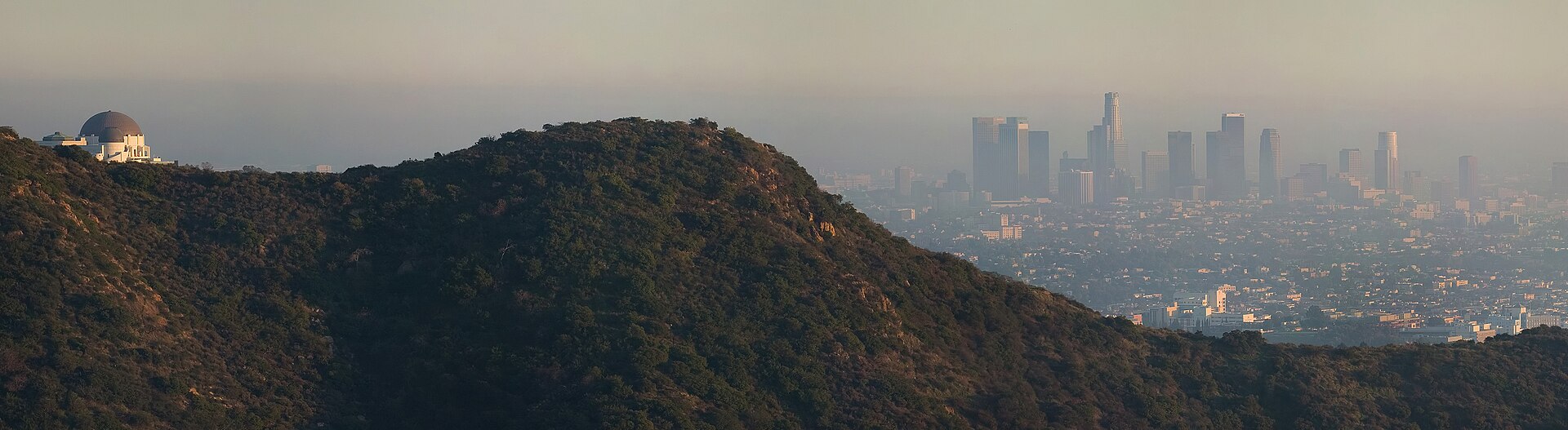
Los Angeles
Overview
A Southern California city that functions as a collection of distinct places spread across a basin roughly 80 km wide, hemmed in by mountains and the Pacific. There is no single centre in the way European cities have one, and treating Downtown as "the middle" leads to bad planning.
The practical consequence is that where you stay determines what your trip is like more than in almost any other city, because moving between areas costs real time. Santa Monica to Pasadena is an hour or more in traffic for about 40 km.
Why Visit
The obvious draw is the entertainment industry, and it is genuinely visible: studio tours, filming on ordinary streets, an architecture of studios and back lots.
Less obvious, and often the better trip: the museums are excellent and unusually well funded. The Getty Center and Getty Villa are free to enter, as is the Broad. LACMA, the Huntington and the Academy Museum are substantial. For a city with a reputation for surfaces, the cultural depth surprises first-time visitors.
Then there is the geography. Beach in the morning, mountains in the afternoon, desert within a two-hour drive, and a climate that makes outdoor time possible almost year-round.
Best Things to Do
- Griffith Observatory. Free to enter, with the best view over the basin and the Hollywood sign, and a genuine science museum inside. Parking is the difficulty; arrive early or take the shuttle.
- The Getty Center. Free admission, a tram up the hill, Richard Meier architecture, gardens and a serious collection. Pay only for parking.
- A hike. Runyon Canyon for the city view and the crowds, Temescal for coastal views, Griffith Park for scale: 1,700 hectares of it inside the city.
- The beach cities by bike. The paved Marvin Braude path runs some 35 km along the sand from Will Rogers to Torrance, taking in Santa Monica, Venice and Manhattan Beach.
- The Academy Museum of Motion Pictures or a working studio tour — Warner Bros. for the backlot, Paramount for the history.
- Eat across the city. Koreatown, Boyle Heights, Thai Town, the San Gabriel Valley. This is arguably the strongest reason to visit.
- The Huntington in San Marino: library, art collection and one of the finest botanical garden complexes in the country.
Map
Map data © OpenStreetMap contributors
Best Time to Visit
March–May and September–November for warm but not extreme weather.
Where to Stay
Santa Monica for beach, walkability and a car-free trip. West Hollywood for a central base with restaurants and nightlife. Downtown for museums, transit connections and the best value among central options.
Koreatown for food and price with good rail access. Silver Lake or Los Feliz for a residential, café-led stay near Griffith Park. Pasadena if your interests are the Huntington, gardens and a quieter city.
Whatever you choose, pick one area and plan days around it. Criss-crossing the basin daily is how visitors lose hours to traffic.
Neighborhoods
Santa Monica: beach, pier, walkable, good transit by LA standards, expensive. The easiest base for a first visit without a car.
Venice: the boardwalk, canals and Abbot Kinney. More characterful and more uneven than Santa Monica next door.
West Hollywood: central for nightlife and restaurants, walkable in parts, well placed between the Westside and Hollywood.
Hollywood: the landmarks and the Metro B Line. The Walk of Fame itself disappoints most visitors; the surrounding area is better than its reputation.
Downtown (DTLA): the Broad, Grand Central Market, Walt Disney Concert Hall, and the hub of the rail network. Densest and most walkable, with visible street homelessness that surprises some visitors.
Silver Lake and Los Feliz: eastside, hilly, residential, strong café and restaurant scene, close to Griffith Park.
Pasadena: a distinct old city to the north-east with its own centre, the Huntington nearby and Metro A Line access.
Koreatown: central, dense, exceptional food, well connected by rail, and better value than the Westside.
Transportation & Airports
Assume you need a car, then check whether you can avoid one. A car-free trip works if you base yourself in Santa Monica, Downtown or Koreatown and accept slower travel; anything spread across the basin effectively requires driving.
Metro rail has expanded substantially and now links Downtown with Santa Monica, Hollywood, Pasadena and Long Beach. Use a TAP card. It is genuinely useful on those corridors and thin elsewhere. Timetables and maps: LA Metro.
Ride-hailing is ubiquitous and often the pragmatic choice for evenings, avoiding both parking and drink-driving risk.
Driving. Traffic peaks roughly 07:00–10:00 and 15:00–19:00 and is worse than newcomers expect. Parking is metered, signed with complex restrictions, and enforced rigorously — read the whole sign. Hotel and attraction parking is charged separately and can be substantial.
From the airports: LAX connects to Metro via the automated people mover and the C Line. Burbank (BUR) is far more convenient for Hollywood and the eastside and worth checking for domestic flights.
Food
Los Angeles is one of the world's great eating cities, and the reason is its immigrant communities rather than its restaurant scene at the top end.
Mexican food is foundational — taquerias, birria, mariscos — and best in Boyle Heights and East LA. Korean food in Koreatown is the deepest outside Korea. Chinese regional cooking in the San Gabriel Valley, especially Monterey Park and San Gabriel, is exceptional and specific by province. Thai Town and the Armenian, Persian, Salvadoran, Japanese and Filipino communities each have their own concentrations.
Practical notes: many of the best places are in strip malls and look unremarkable from the road; food trucks are a serious part of the scene rather than a novelty; and tipping of roughly 18–20% is standard in sit-down restaurants.
Day Trips
Malibu and the Pacific Coast Highway. North along the coast for beaches, the Getty Villa and canyon roads.
Joshua Tree National Park. Two to three hours east, desert landscape and rock formations. Feasible in a long day, better overnight.
Santa Barbara. About two hours up the coast, a Spanish-colonial town with beaches and wineries.
Catalina Island. A ferry from Long Beach or San Pedro to a car-light island with clear water and diving.
Big Bear or the San Gabriel Mountains. Under two hours to alpine terrain and, in winter, snow within sight of the beach.
Disneyland and Anaheim. Around an hour without traffic, considerably more with it. Plan it as a full day, not an afternoon.
Budget
Los Angeles is expensive for accommodation and moderate for almost everything else. Beach-adjacent hotels command a large premium; Koreatown, Downtown and the eastside cost noticeably less.
Costs people forget: parking, charged at hotels and at most attractions and often daily; ride-hailing surge pricing in the evenings; and tips, which are a real addition at 18–20%.
The savings are substantial on the culture side — the Getty Center, Getty Villa, the Broad, Griffith Observatory and the beaches are all free — and on food, where the best eating is frequently the cheapest.
Travel Tips
Plan by area, not by attraction list. Group each day geographically. The commonest mistake visitors make is scheduling Santa Monica in the morning and Pasadena in the afternoon.
Read parking signs completely. Restrictions stack by day, hour and street-cleaning schedule, and enforcement is strict.
Book Griffith Observatory parking or take the shuttle, and go on a weekday if possible.
The Getty Center and the Broad are free but require timed reservations; book ahead.
"June Gloom". Coastal fog frequently keeps late spring and early summer mornings grey at the beach while it is sunny inland. Plan beach time for the afternoon in those months.
Evenings are cool year-round, especially near the coast. Bring a layer even in summer.
Wildfire season runs roughly late summer through autumn and can affect air quality and road access. Check conditions if visiting then.
Other Cities in United States

Las Vegas
The Strip's casinos and shows, plus a gateway to the Grand Canyon.
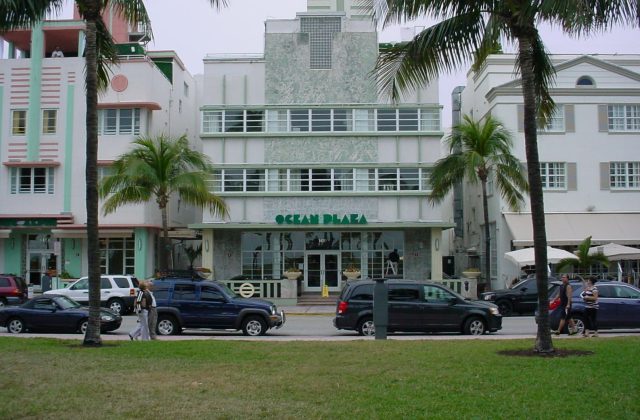
Miami
Art Deco South Beach and a Latin American cultural crossroads.

New York City
Museums, Broadway, and a skyline that needs no introduction.
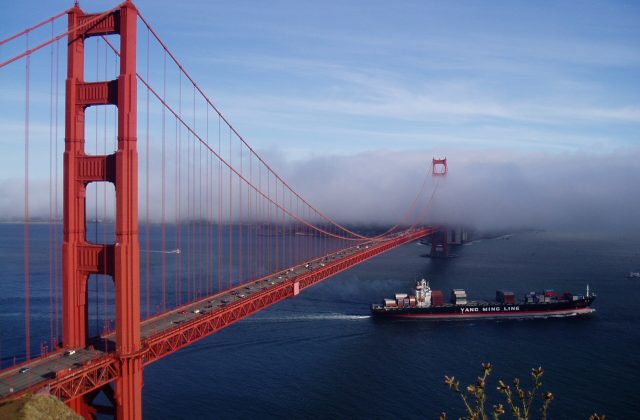
San Francisco
The Golden Gate Bridge, steep hills, and easy wine country access.
Frequently Asked Questions
Do I need a car in Los Angeles?
Not necessarily. A car-free trip works from Santa Monica, Downtown or Koreatown using Metro rail and ride-hailing. For a trip spread across the basin, a car saves a great deal of time.
Where should I stay for a first visit?
Santa Monica for beach and walkability, West Hollywood for a central base, Downtown for museums and transit. Choose one area and plan days around it.
How many days do I need?
Four to five for the city itself. Add days for Disneyland, Joshua Tree or a coastal trip, each of which is a full day.
Is public transport any good?
Better than its reputation on the rail corridors linking Downtown, Santa Monica, Hollywood, Pasadena and Long Beach. Thin elsewhere. Use a TAP card.
What is June Gloom?
Coastal fog that keeps beach mornings grey in late spring and early summer while inland areas are sunny. Plan beach time for the afternoon.
Which airport should I use?
LAX has the most flights and connects to Metro via the people mover. Burbank is much more convenient for Hollywood and the eastside if a domestic route serves it.
What is the best area for food?
There is no single one. Koreatown, Boyle Heights, Thai Town and the San Gabriel Valley each offer something the others do not, and many of the best places are in unremarkable strip malls.