
🇸🇦 Saudi Arabia
Ancient Nabatean ruins at AlUla and a rapidly opening tourism scene.
Saudi Arabia only opened to general tourism in 2019, which makes it one of the newest mainstream destinations in the world. The practical effect is that the infrastructure is uneven (excellent in the new developments, thin in between) and that almost nothing you read about it from before that date describes the country a visitor meets now.
The geography is more varied than the desert image suggests: the volcanic Hejaz mountains behind the Red Sea coast, the green terraced highlands of Asir in the southwest, the Nabataean rock tombs of AlUla, and the empty sand sea of the Rub’ al Khali.
Best Time to Visit
November to March is the season. Days are warm and clear across most of the country and the desert and rock sites are comfortable; desert nights are cold.
April to October is very hot, with interior summer temperatures among the highest recorded anywhere and coastal humidity making the Gulf side worse. Outdoor sightseeing in that window is a dawn-and-dusk activity.
The southwestern highlands around Abha are the exception: altitude keeps them mild and they draw domestic visitors in summer, when the rest of the country is at its hottest.
Ramadan and the Hajj season both change how the country operates. During Ramadan, eating, drinking and smoking in public during daylight is not permitted, including for non-Muslim visitors, and hours shift heavily to the evening.
Weather & Climate
Saudi Arabia is overwhelmingly desert: hot, arid and with very little rainfall. The interior, including Riyadh, has a large daily temperature range and genuinely cold winter nights.
The Red Sea coast, including Jeddah, is hot and humid year-round with a smaller temperature range. The Gulf coast around Dammam is similar and more humid still.
The Asir mountains in the southwest are the outlier: high enough to catch monsoon-influenced moisture, with mist, terraced agriculture and temperatures far below the national average. Snow occasionally falls at the highest elevations in the northwest.
Map
Map data © OpenStreetMap contributors
Explore More in the Region
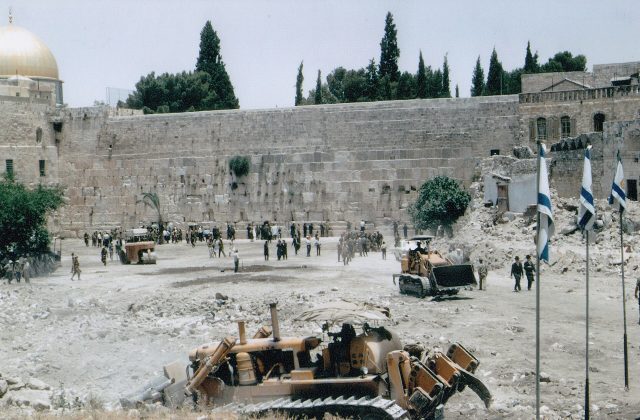
Israel
Jerusalem's Old City, the Dead Sea, and Tel Aviv's beaches.

Jordan
Petra's rose-red city and the Wadi Rum desert.
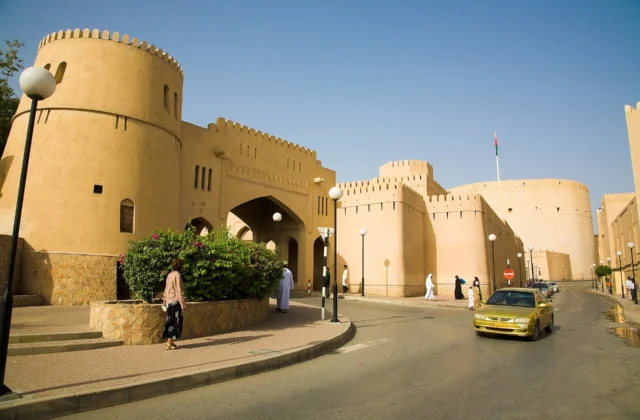
Oman
Mountain villages, desert dunes, wadis and forts on the Arabian Sea
Oman
Villages de montagne, dunes, wadis et forts au bord de la mer d’Arabie
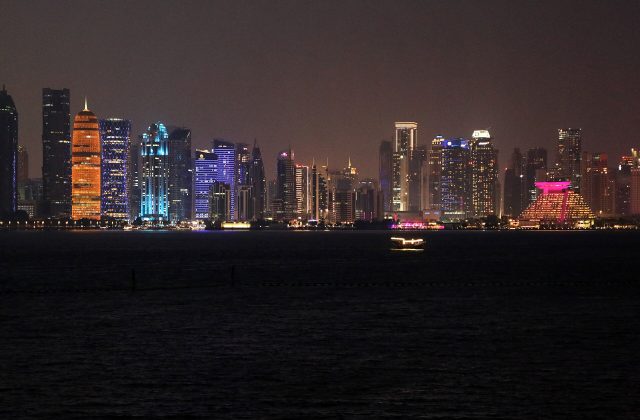
Qatar
Doha's modern skyline and a rising cultural and sporting hub.
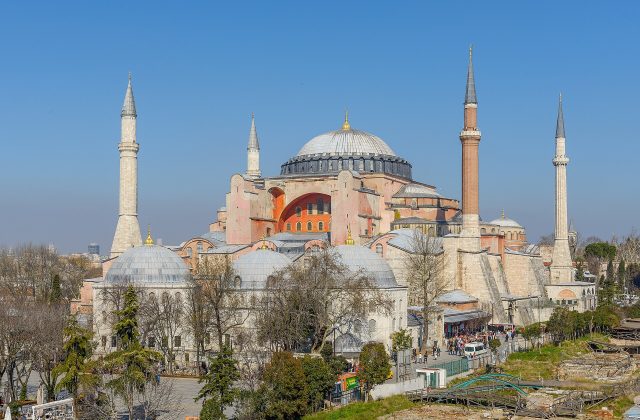
Turkey
Istanbul's bridge between continents, Cappadocia's balloons, and Aegean coastline.
Entry & Visa Guidance
According to UK Foreign Office guidance, visitors can apply for a Saudi e-visa online or obtain one on arrival at any of the country's international airports, depending on nationality. The e-visa is described as valid for 365 days from issue, allowing multiple entries for a total of 90 days.
Passports are required to have at least six months' validity from the date of arrival.
Mecca is closed to non-Muslims, and access to parts of Medina is restricted; this is enforced at road checkpoints. During the Hajj season there are additional restrictions on flights to Jeddah, Madinah and Taif for travellers not performing Hajj, who may need a Hajj visa to board.
Prohibited imports are taken seriously. Official guidance lists alcohol, pork and pork products, and pornographic material among the prohibited categories, and everything potentially prohibited or dutiable must be declared. Penalties for bringing in alcohol or narcotics are severe.
Verify the current position for your nationality with the official visa portal or the nearest Saudi mission before booking, as the tourism visa framework is still evolving.
Getting There & Around
Distances are large and domestic flights link Riyadh, Jeddah, Dammam, AlUla and Abha.
The Haramain High Speed Railway connects Jeddah, King Abdulaziz International Airport, Rabigh, Makkah and Madinah: note that the line serves cities that non-Muslim visitors cannot enter, so check which stations apply to you. Other rail lines connect Riyadh with Dammam and the north.
A hire car is the practical way to see AlUla, Asir and the desert routes, and fuel is inexpensive. Roads are good; driving standards on intercity routes require caution, and long stretches have few services.
Within cities, ride-hailing apps are the normal way to move and are inexpensive; public transport is limited, though Riyadh has been developing a metro network. Women have been able to drive since 2018 and can hire cars.
Major Airlines
Approximate Travel Budget
Saudi Arabia is not a budget destination. Hotels are priced for business and religious travel rather than backpackers, and the newer tourism developments at AlUla and on the Red Sea are firmly upmarket.
What is cheap: fuel, ride-hailing, domestic flights booked ahead, and everyday local restaurants, where a large meal costs very little.
What is expensive: accommodation in Riyadh and Jeddah, organised desert and heritage experiences, and anything within the flagship development zones.
There is no alcohol to budget for, which changes the shape of an evening's spending considerably compared with most destinations.
Local Customs & Culture
Saudi Arabia is a conservative Muslim country and the birthplace of Islam, and public conduct is governed accordingly, though rules have relaxed considerably since 2019.
Dress modestly: shoulders and knees covered for everyone, loose rather than tight clothing. Women are no longer legally required to wear an abaya but modest dress is expected; a headscarf is not required for non-Muslim visitors in most public settings but is useful to carry.
Prayer happens five times a day and some shops still close briefly for it. The weekend is Friday and Saturday. Public displays of affection are not acceptable, and unmarried couples sharing accommodation is now generally permitted for foreign visitors but norms vary by establishment.
Hospitality is a deeply held value. Coffee and dates will be offered constantly and accepting is the courteous response; the right hand is used for eating, giving and receiving. Ask before photographing anyone, and particularly before photographing women.
Food
Saudi cooking centres on rice, lamb, chicken and dates. Kabsa, spiced rice with meat, is the national dish, served communally from a large platter. Mandi and madhbi are related preparations with the meat cooked in a pit or over coals.
Regional variation follows geography: the Hejaz around Jeddah has absorbed influences from pilgrims arriving over centuries, with dishes such as saleeg and foul; the south has its own breads and honey traditions; the Gulf coast eats more fish.
Coffee here means qahwa: light, cardamom-heavy Arabic coffee served in small cups with dates, and the ritual matters more than the drink. Dates are a serious agricultural product with many named varieties.
Alcohol is illegal throughout the country, including in hotels. Fresh juices, mint lemonade and coffee occupy the social space it would otherwise take.
Safety & Travel Advice
Crime levels are low and violent crime against visitors is rare. The significant considerations are legal, environmental and regional.
The legal system is based on Sharia and penalties are severe by international standards, including for alcohol, drugs, and behaviour considered indecent. Same-sex relationships are criminalised. Photography of people without consent, and of government, military or security sites, can cause serious trouble.
Heat is a genuine hazard for much of the year; carry far more water than seems necessary in the desert and avoid midday exposure.
Some border areas, particularly near Yemen in the south, are subject to travel advisories from most governments. Check your own government's current advice for the specific regions on your route before travelling.
Useful Phrases
Arabic is the official language. English is widely used in business, hotels and among the large expatriate workforce.
As-salamu alaykum - peace be upon you, the standard greeting; the reply is wa alaykum as-salam.
Ahlan wa sahlan - welcome.
Shukran - thank you. Afwan - you're welcome.
Min fadlak (to a man) / min fadlik (to a woman) - please.
Kam - how much. Bikam hatha - how much is this.
Inshallah - God willing. Alhamdulillah - praise God, used as thanks and as an answer to how are you.
La - no. Naam - yes.
Ayna al-hammam - where is the toilet.
Yalla - let's go, come on.
Official Sources
Visa, entry, and safety information changes. Always verify with the official sources below before you travel.
Plan your trip to Saudi Arabia
Free tools for flight times, time differences, budget, money and plugs.
- Flight Duration CalculatorWork out real flight time across time zones.
- Time Zone ConverterFind the time in another city instantly.
- Trip Budget CalculatorEstimate your total trip cost, item by item.
- Currency ConverterConvert prices between currencies at indicative rates.
- Travel Plug & Voltage CheckerCheck if you need a plug adapter or voltage converter.
- Jet Lag CalculatorEstimate how many days you need to beat jet lag.

