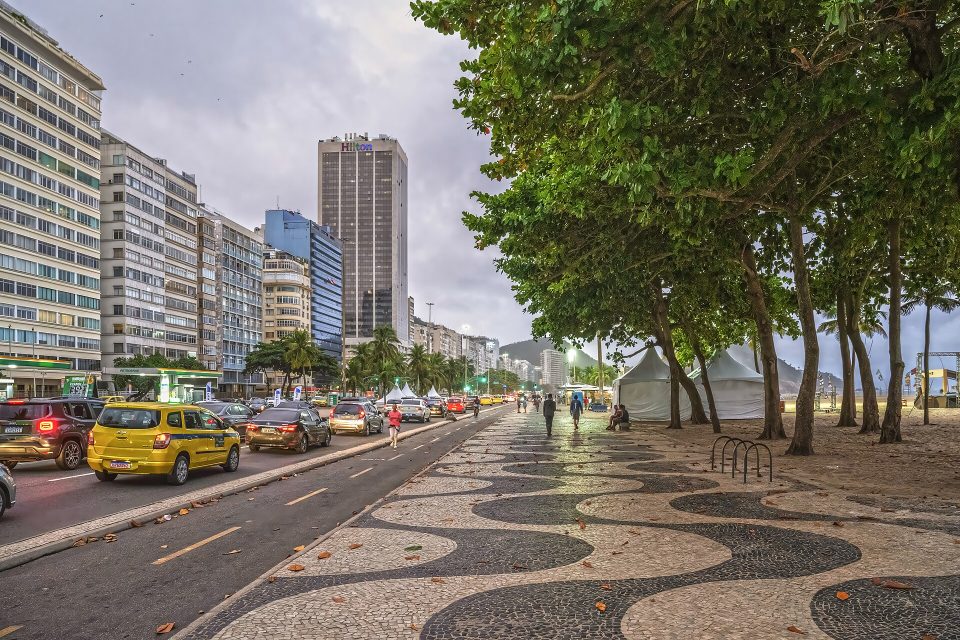
A handful of festivals are worth timing a trip around rather than working around. Rio de Janeiro‘s Carnival, held in the run-up to Lent each February or March, fills the city with samba schools, parade floats, and street parties (blocos) that turn entire neighborhoods into open dance floors for over a week.
India’s Holi, the spring festival of color, is shorter but just as immersive: strangers douse each other in bright powdered pigment in streets and courtyards, a tradition tied to the arrival of spring and the triumph of good over evil in Hindu mythology. Expect to ruin a set of clothes on purpose.
In Japan, hanami season isn’t a single event but a weeks-long, weather-dependent window each spring when cherry blossoms peak; parks in Kyoto fill with picnicking crowds for as long as the blooms last, sometimes just a few days. Unlike a fixed-date festival, timing a trip around it means watching forecasts, not a calendar.
What connects all three is that they compress a place’s culture into a short, intense window, worth the crowds and the higher prices that come with peak dates, if a specific festival is the reason for the trip in the first place.


