
Dubai
Overview
The largest city in the United Arab Emirates, built along the Gulf coast and almost entirely within the last sixty years. Dubai is organised around a single spine — Sheikh Zayed Road — with the older quarters at the Creek in the north and the newer developments running south past the Marina.
It functions as a global transit hub as much as a destination, which is why a stopover of one or two nights is one of the commonest ways to see it, and why the airport and the metro are unusually easy to use.
Why Visit
Two Dubais, and the visitors who enjoy it most see both.
The modern city is the one on the postcards: the Burj Khalifa, the Dubai Mall and fountains, the Palm, the beaches and the desert immediately behind. It is engineered, air-conditioned and efficient, and it does spectacle extremely well.
The old city around Dubai Creek is the part most itineraries skip. Deira and Bur Dubai hold the gold and spice souks, the restored Al Fahidi quarter of wind-tower houses, and the abra water taxis that still cross the creek for a fraction of a dirham. This is where Dubai's trading history is visible, and it costs almost nothing to explore.
Best Things to Do
- Cross the Creek by abra. A wooden boat, a few minutes, and one of the cheapest and best things to do in the city. Deira on one side, Bur Dubai on the other.
- Al Fahidi Historical Neighbourhood. Restored wind-tower architecture, small museums and courtyard cafés. The cultural centre here runs meals and Q&A sessions explaining local customs, which is more useful than it sounds.
- The gold and spice souks in Deira, which are working markets rather than reconstructions.
- Burj Khalifa, booked in advance with a timed slot; sunset slots cost more and sell out first.
- A desert evening. Dune drives, camel rides and dinner camps are heavily commercialised; the quieter alternative is a conservation-reserve tour with a wildlife focus.
- The beaches. Public beaches at Jumeirah and JBR are free, well maintained and busy at weekends.
- The metro's Red Line as a sightseeing tour, elevated for much of its length and the cheapest way to see the skyline.
Map
Map data © OpenStreetMap contributors
Best Time to Visit
November to March, avoiding the extreme summer heat.
Where to Stay
Downtown for first visits: central, metro-connected, walkable to the main attractions. Marina or JBR for a beach and a promenade, with the metro and tram nearby.
Deira or Bur Dubai for markedly lower prices, proximity to the historic quarter and the most interesting street-level food. Palm Jumeirah for resorts, accepting taxi dependence.
For a stopover of a night or two, staying near a Red Line metro station is worth more than any particular district: it puts the airport, Downtown and the Marina all within easy reach.
Neighborhoods
Deira and Bur Dubai: the historic creekside quarters: souks, abras, Al Fahidi, and the city's most affordable food and hotels.
Downtown Dubai: Burj Khalifa, Dubai Mall, the fountains. Central, expensive, and the base most first-time visitors choose.
Dubai Marina and JBR: high-rise waterfront living, a beach, a promenade and a large restaurant scene. Good for a beach-focused stay.
Jumeirah: low-rise, residential, beaches and the Jumeirah Mosque.
Palm Jumeirah: resort territory, the artificial island, reached by monorail; you will rely on taxis.
Al Quoz: industrial units converted into galleries and studios, the closest thing Dubai has to an arts district.
Transportation & Airports
The metro is clean, cheap, air-conditioned and driverless, running two lines along the main corridor. Buy a Nol card at any station and use it for metro, tram, buses and the abras. Note the Gold Class carriage and the women-and-children carriage, both marked.
Taxis are plentiful, metered and inexpensive. Careem and Uber both operate.
Abras cross the Creek constantly for a nominal fare, payable with a Nol card or coins.
Walking is viable inside districts — the Marina promenade, JBR, Al Fahidi, the souks — and impractical between them. Distances are long and, for much of the year, the heat makes walking outdoors genuinely unsafe in the middle of the day.
Driving is easy on good roads, but parking at malls and towers is the usual friction. Most visitors do not need a car.
Food
Dubai's resident population is overwhelmingly international, and the food reflects that: some of the best and cheapest eating is South Asian, Filipino, Iranian and Levantine, concentrated in Deira, Bur Dubai and Karama rather than in the malls.
Emirati food itself is less visible and worth seeking out deliberately: machboos (spiced rice with meat), harees, luqaimat (sweet dumplings in date syrup). A handful of restaurants and the Al Fahidi cultural centre serve it with explanation.
Friday and weekend brunch is a local institution. Note that alcohol is served in licensed venues, generally hotels and clubs, rather than in ordinary restaurants.
Day Trips
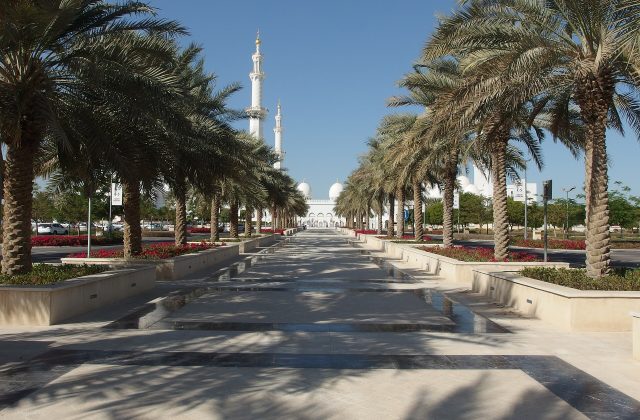
Abu Dhabi. Roughly 90 minutes by road, for the Sheikh Zayed Grand Mosque and the Louvre Abu Dhabi. Doable in a day, better with an overnight.
Sharjah. Twenty minutes away, with strong museums including the Museum of Islamic Civilisation. Note that Sharjah bans possession and consumption of alcohol entirely.
Hatta. An exclave in the Hajar Mountains, about 90 minutes, for the dam, kayaking and hiking — the antidote to the coastal city.
Al Ain. An oasis city inland with UNESCO-listed cultural sites and a very different feel from the coast.
The east coast (Fujairah, Khor Fakkan). Two hours across the peninsula for mountains, diving and quieter beaches.
Budget
Dubai spans extremes. Hotels, alcohol, attraction tickets and taxis to resort areas are expensive; metro travel, abra crossings, public beaches and eating in Deira, Bur Dubai or Karama are very cheap.
The biggest single lever is where you sleep: Deira and Bur Dubai cost a fraction of Downtown or the Palm for the same night. After that, alcohol is the largest discretionary cost, since it is confined to licensed venues and priced accordingly. Attraction tickets — observation decks, theme parks, desert safaris — add up fast and are worth choosing selectively rather than collecting.
Travel Tips
Know the local laws — they are enforced and differ sharply from most visitors' expectations. UK government advice states that it is illegal to drink or be under the influence of alcohol in a public place anywhere in the UAE, that the drinking age is 21 in Dubai, and that you can be arrested for kissing in public. It also notes that swearing and rude gestures, including online, are considered obscene acts and can lead to imprisonment or deportation, that there is zero tolerance for drugs offences with even the smallest amount of illegal drugs carrying a minimum three-month prison term, and that photographing some government buildings and military installations is illegal — as is photographing people without permission.
Dress: the same advice says modest clothing is expected in public, with women covering shoulders and knees and underwear not visible; swimwear belongs at beaches and pools only. Malls post dress codes and they are applied.
Prescription medicines: some drugs that are routine elsewhere are controlled in the UAE. Check before travelling and carry documentation.
During Ramadan, avoid eating, drinking or smoking in public during daylight hours, and avoid loud music and dancing. Source: UK FCDO, UAE travel advice.
Heat is the practical constraint. From roughly June to September, daytime temperatures make outdoor activity difficult and sometimes dangerous. Plan outdoor sightseeing for early morning or evening in those months.
Other Cities in United Arab Emirates
Frequently Asked Questions
Can I drink alcohol in Dubai?
In licensed venues, generally hotels and clubs, if you are 21 or over. UK government advice notes it is illegal to drink or be under the influence in a public place anywhere in the UAE. Sharjah bans alcohol entirely.
What should I wear?
Modest clothing in public. Official advice says women should cover shoulders and knees and underwear should not be visible, with swimwear confined to beaches and pools. Malls post and enforce dress codes.
Is Dubai easy to get around without a car?
Yes. The metro covers the main corridor, taxis are cheap and plentiful, and abras cross the Creek for a nominal fare. Walking between districts is impractical, especially in summer.
When should I visit?
November to March is comfortable. June to September is extremely hot, which restricts outdoor activity to early morning and evening.
Is a stopover worth it?
Yes — one or two nights is a common and sensible way to see the city. Base yourself near a Red Line metro station.
What should I know about Ramadan?
Avoid eating, drinking or smoking in public during daylight hours, and avoid loud music and dancing. Many venues adjust hours; evenings become notably lively after sunset.
Is the old city worth seeing?
Yes, and it is the part most visitors miss. Al Fahidi, the Deira souks and the abra crossing cost almost nothing and show a different city.